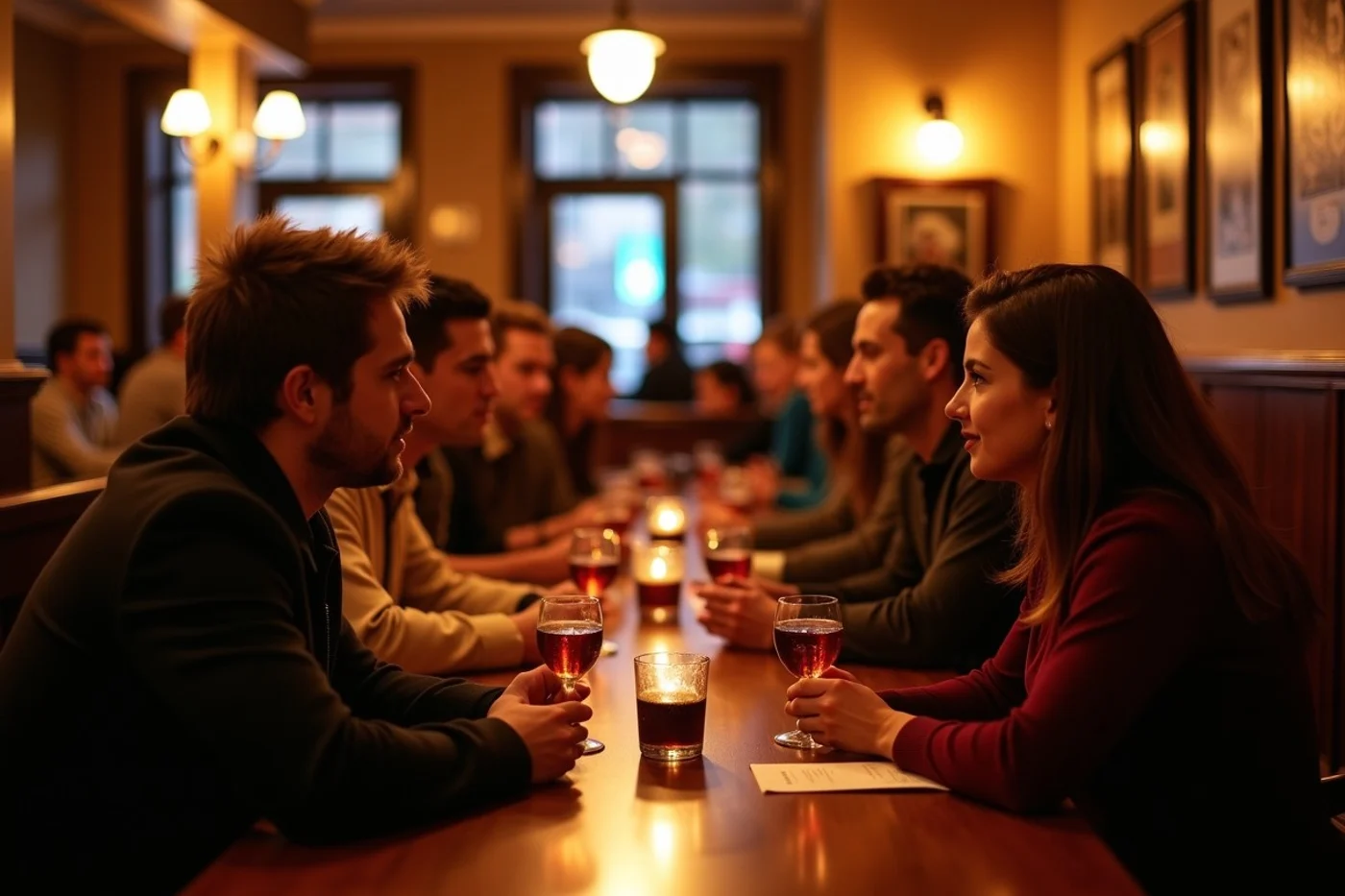
Connecticut’s small size can make an event listing look closer than the evening actually feels once traffic, parking, and a late return enter the picture. For speed dating in Connecticut, look for a listing that identifies its audience, location, format, and matching process before you register. A vague social mixer with a speed-dating label is usually a poor bet for someone hoping to meet dates with compatible intentions.
Published by Modern Connection
Connecticut speed dating works best when the event fit is explicit
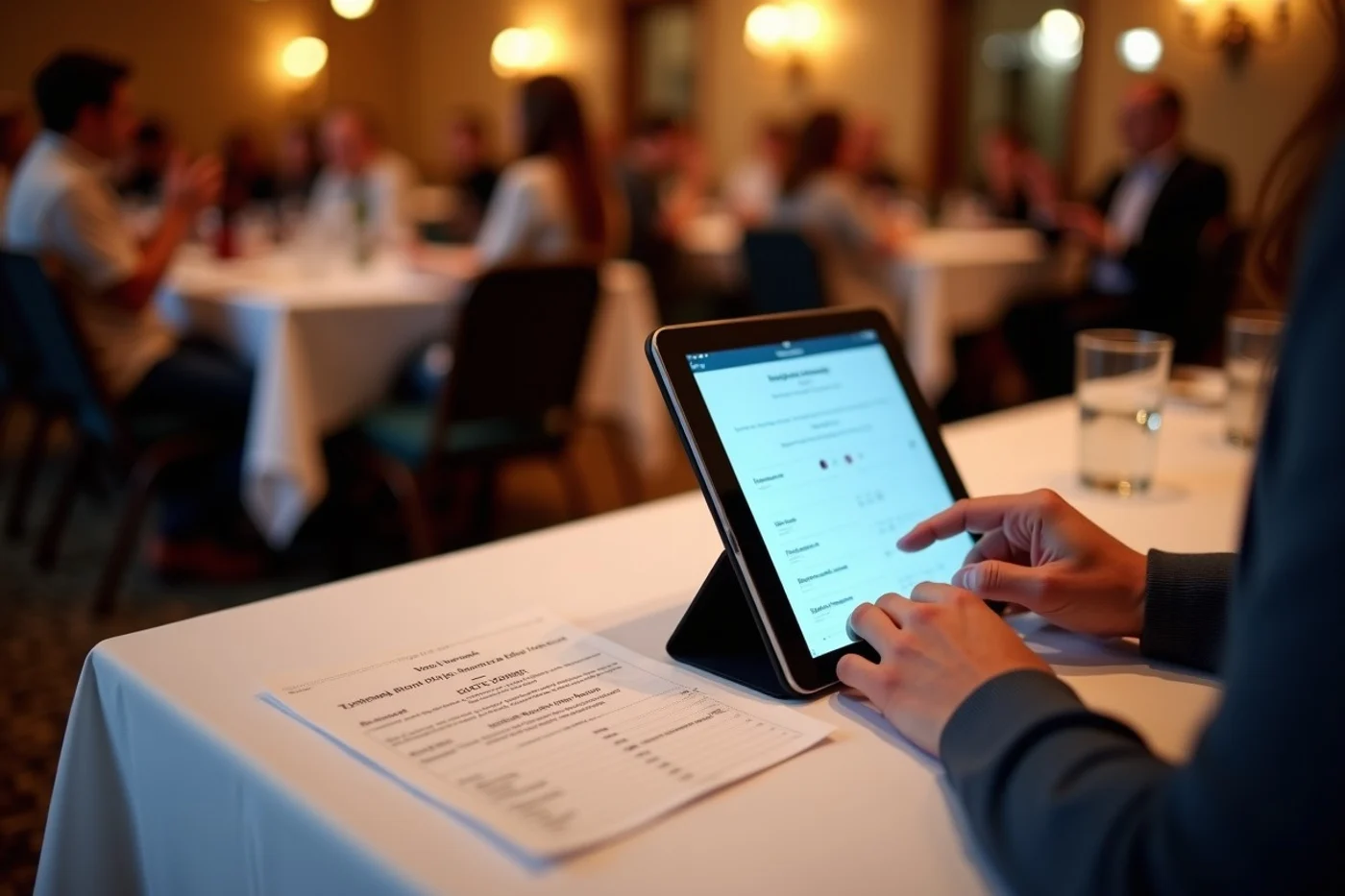
A credible listing names the city, venue area, date, check-in time, and expected finish time, along with the organizer’s Connecticut service area. It should also state the advertised age range, whether the night is framed around dating, friendship, or a particular community, and how many attendees the organizer expects or has room to host. Read the matching details closely: some events use paper cards, others use an online form after the rotations, and contact details normally go only to mutual selections. Refund, cancellation, transfer, and waitlist terms matter because an uneven registration or cancellation changes the night before you leave home.
Signs an event matches your age range and dating goals
An age band is useful only when the organizer enforces it and explains who the event is for. Broad language such as adults welcome tells you little; a stated range, relationship focus, and eligibility policy tells you far more. Review the organizer’s earlier event descriptions for consistency, then look for an update on registration balance or a waitlist process. An organizer who explains what happens when one group is under-registered has thought through the basic mechanics. One who leaves every question unanswered has left you to guess who will be in the room.
Dating goals deserve the same scrutiny. A singles social night suits people open to meeting broadly; an event described as relationship-focused better suits someone seeking a committed partner. Neither label creates compatibility, but it sets the starting pool. Register when the listing plainly says who may attend and what kind of introduction it is arranging.
When the venue is far from your part of the state

A Stamford event creates a very different evening for someone in Litchfield County than for someone already near the lower Fairfield County shoreline. The same is true of a Hartford-area event for a person coming from the southeastern part of the state. Put the advertised rotation time beside the full door-to-door trip: driving, parking, walking to the venue, waiting through check-in, and getting home after the event. A two-hour program becomes a much larger commitment when the return trip runs late and public transportation has thinned out.
For a distant event, the listing needs to offer more than a promising age band. Confirm the exact venue area, parking arrangement, finish time, and whether the organizer releases matches that night or later. Book when the travel burden still feels sensible even if none of the conversations lead to a first date. That standard prevents a long ride from turning a pleasant evening into a disappointed investment.
Virtual speed dating offers a different exchange. It removes the drive across Connecticut and usually preserves the timed introductions and mutual-match system, but it also removes the information that comes from sharing a room: arrival manner, casual conversation between rotations, and how the event is run on site. It fits a distant participant or a sparse local calendar; an in-person event remains stronger when the trip is reasonable and the venue details are solid.
Registration, rotations, and post-event matching
A standard event begins with check-in, a name badge or participant number, and a short explanation of the rotation. You speak with one person at a time for several minutes, move when the host signals, and record private selections after each conversation or at the end. The organizer compares those selections and sends contact details only when both people marked interest. This arrangement removes the need to request a phone number across a small table.
Its appeal is concentration: several introductions happen in one evening, with little pressure to prolong a conversation that has gone nowhere. The inconvenience is equally plain. A short rotation gives you enough time to notice interest and basic compatibility, not enough time to settle every question. Use it for an initial impression, then let a mutual match carry the conversation forward.
How should you prepare for a Connecticut speed-dating event?
- Current listings
- Listing check
- Travel plan
- Conversation preparation
- After the event
Speed dating is worth the evening when the organizer has done the unglamorous work: defined the audience, explained the matching system, and given attendees enough information to plan the trip. Don’t let a convenient date on a calendar outweigh a muddled listing or an exhausting drive. A well-run event asks little of you beyond showing up ready to talk and making an honest selection afterward.