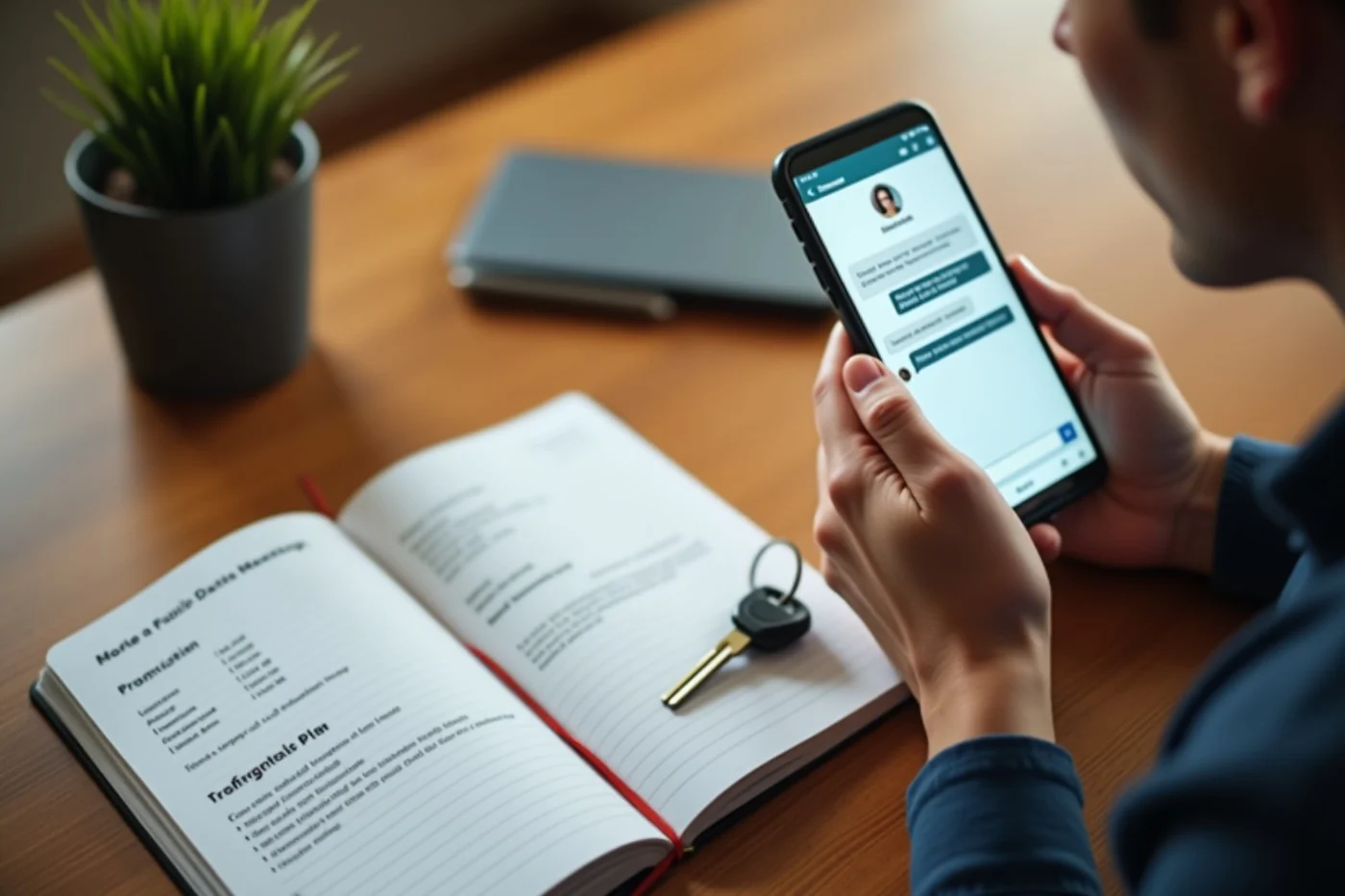
Many avoidable dating risks begin before anyone sits down for coffee. Online dating safety starts by limiting what a new match learns about you, recognizing coercion early, and arranging a first-meeting exit plan before leaving home. A charming chat is not a reason to share your address, finances, or ability to leave.
Published by Modern Connection
Before You Share Your Number or Agree to Meet

Early conversation belongs on the dating platform until the person has earned more access. A phone number can connect to public profiles, messaging apps, payment accounts, or an old address listing. Linked social accounts often reveal a workplace, family names, regular routes, and places you visit. The same applies to casual details that seem harmless in isolation: the name of your apartment building, a child’s school, a work schedule, or the gym you use every morning.
Imagine a match who wants to move from the app to text after a few messages, then asks which hospital you work at and where you usually get coffee after a shift. No single question is alarming on its own. Together, they narrow down your daily life. Staying on the platform, or using separate contact details early on, keeps more of that information private while you decide whether the conversation is credible. A respectful match will not turn that limit into an argument.
A Small Digital Footprint Can Still Protect Your Privacy
A photo taken outside your front door, beside a distinctive work sign, or in front of a child’s team banner offers more than a flattering image. Choose profile photos without house numbers, license plates, school names, workplace logos, or a familiar routine in the background. Location sharing should stay off until there is a reason to use it, and a dating username need not match the handle used across public social accounts.
Public profiles deserve a quick look from a stranger’s point of view. Tighten who sees posts, friend lists, tagged photos, and contact details. These choices do not create anonymity, but they reduce the amount a new match can assemble before you have decided to meet.
Pressure, Inconsistency, and Money Requests Signal Elevated Risk
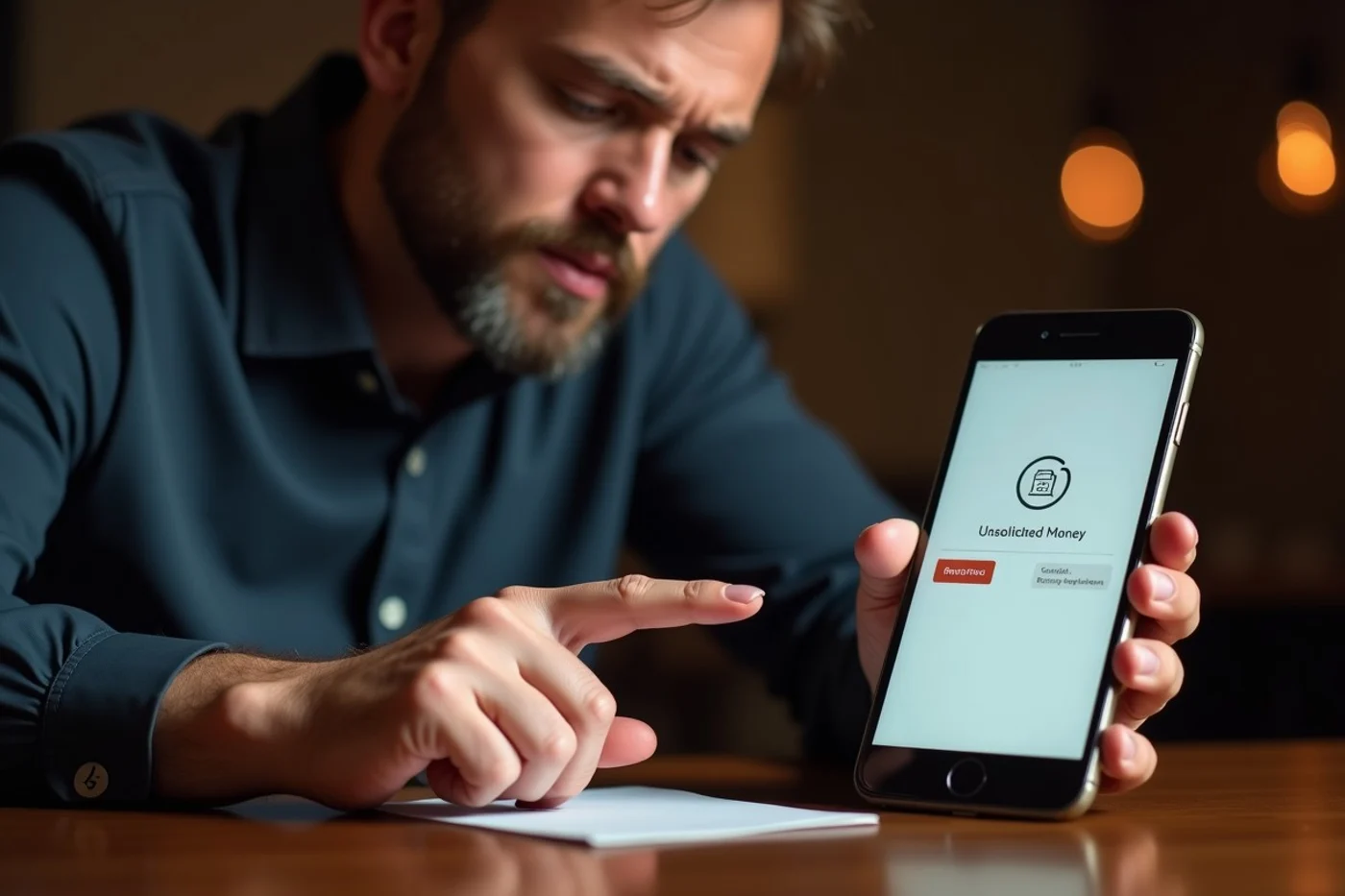
Risk rises when a match takes basic limits as a personal insult. Repeated demands to leave the app, declarations of intense feelings after little contact, stories that change when you ask basic questions, and claims of a job or identity that cannot be reasonably confirmed are reasons to step back. Persistent calls, threats, harassment, or demands to account for your time are not romantic intensity; the National Domestic Violence Hotline identifies technology-based monitoring, threats, and controlling conduct as forms of dating abuse.
Money ends the question. Do not send cash, gift cards, cryptocurrency, account credentials, copies of identification, or help with a supposed emergency to someone you have not met in person. The Federal Trade Commission warns that romance scammers often build trust quickly, move conversations off dating platforms, and then request money or gifts. Save the messages and report the account through the platform when this happens.
What Should You Verify Before Meeting Someone?
Verification is a filter, not a safety certificate. Look for a story that holds together: photos that resemble each other, basic details that do not keep changing, and willingness to answer routine questions without evasion. A brief video call is an optional check because it confirms that a live person resembles the profile. Refusal alone does not prove deception, but refusal paired with excuses, conflicting details, or a push to meet privately is enough reason to decline.
A basic search of a name, stated profession, or public social profile can reveal obvious contradictions. Image-search results and app verification badges have limits: photos can be stolen, public records can be incomplete, and a real identity says nothing conclusive about conduct. No search, badge, or video call proves that a person is safe. The decisive point is simpler: meet only when the account and conversation leave you comfortable setting the terms of the meeting.
Create an Exit and Reporting Plan
- Moment: Before leaving Arrangement: Choose a public venue with other people present and set a defined end time, such as one coffee or a short lunch. Reason: A bounded plan avoids being drawn into an unplanned second location.
- Moment: Getting there Arrangement: Use your own transportation or a service you arrange yourself. Reason: You retain the ability to leave without relying on the date for a ride home.
- Moment: Check-in Arrangement: Tell one trusted person the venue, the match's profile name, and the expected finish time; arrange a check-in during or shortly after the date. Reason: Someone knows where you are and when a missed message would be unusual.
- Moment: Leaving Arrangement: Prepare a plain exit line, such as "I’m heading out now. Take care," and leave when you want to leave. Reason: You do not need to debate, justify, or negotiate an exit.
- Moment: After a concerning interaction Arrangement: Save screenshots, usernames, dates, payment requests, and voicemails before blocking. Report the account to the platform; contact emergency services if there is immediate danger. Reason: Specific records help a platform or law enforcement understand what occurred.
Meeting someone new does not require perfect certainty. It requires avoiding shortcuts that expose your private life or take away your ability to leave. Someone worth meeting will accept an on-platform conversation, a public venue, independent transportation, and a simple no. If those terms bring anger or coercion, ending contact is usually the safest choice.
Useful official links
- National Domestic Violence Hotline — official information — National Domestic Violence Hotline
- National Domestic Violence Hotline — official information — National Domestic Violence Hotline
- Federal Trade Commission — official information — Federal Trade Commission
- Federal Trade Commission — official information — Federal Trade Commission