
A duty change can erase a Friday-night plan between lunch and dinner. For military singles dating online in Orlando, the answer is to make schedule limits plain early, keep work and location details broad, and meet close to the person whose day is least movable. That filters out people who need constant access or a full account of the job before a first date.
Published by Modern Connection
When Duty Schedules Disrupt Normal Dating Rhythms
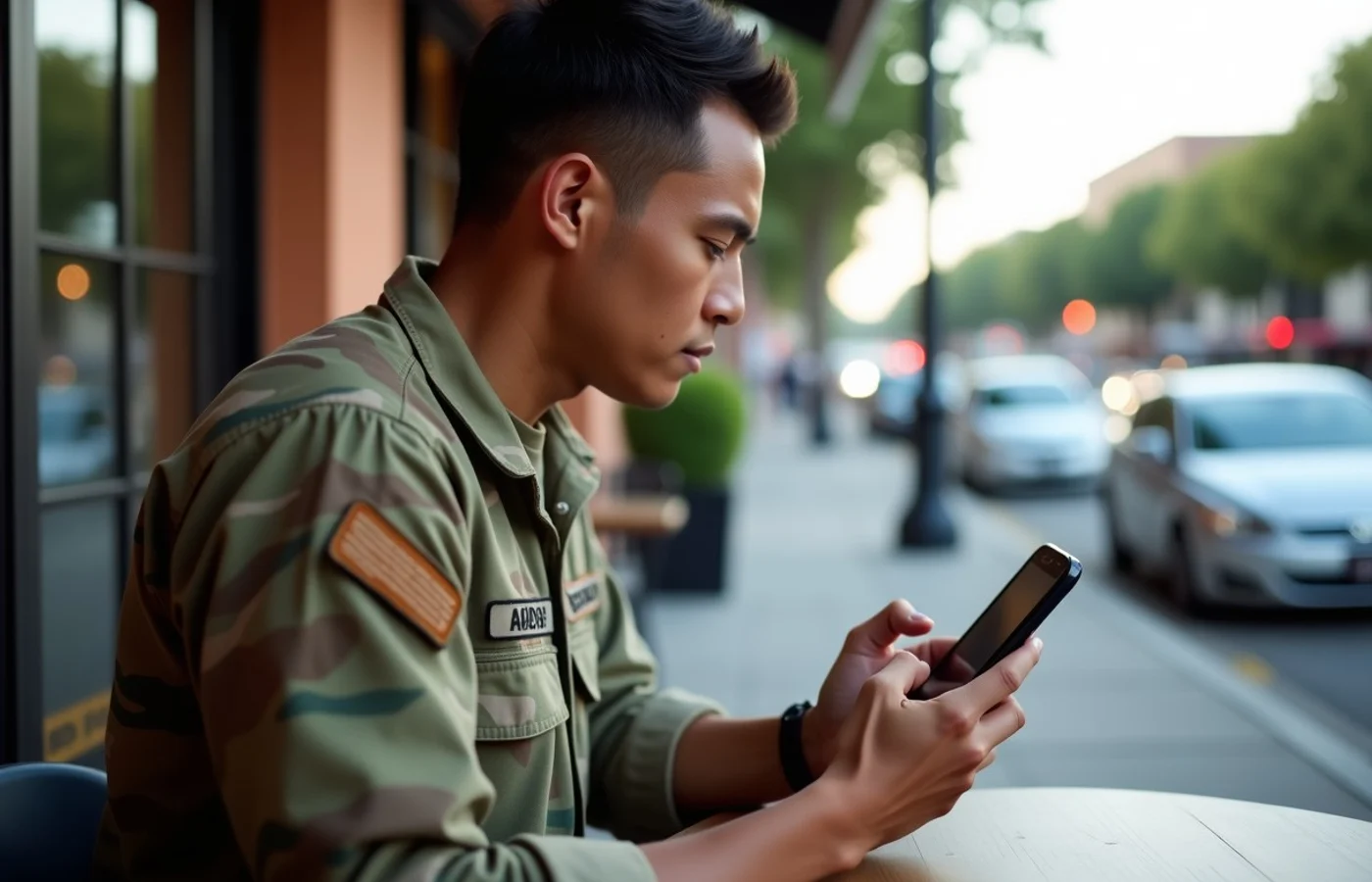
Orlando covers a broad dating area, and a match across the metro can add travel time to an already narrow window. Shift work, training, temporary assignments, and short-notice duties interrupt the daily messaging rhythm many app users expect. Profiles and early chats should explain that replies come around work rather than on a set schedule. Make first plans near home or at the end of a shift, keep them short, and make cancellation simple. A changed plan is first a logistics issue; someone who makes it a judgment of your character gives you an answer.
Selective Disclosure Preserves Both Honesty and Privacy
Military affiliation needn't be hidden, but it doesn't need a briefing. A profile can identify you broadly as serving or military-connected, based in the Orlando area, and working irregular hours. That tells a match why a weekday lunch, late coffee, or a shifted plan may appear without posting a unit, installation, worksite, movement, or home neighborhood.
Use the same restraint with photos. Skip images that identify a work location, show access badges, display schedules, or reveal other service members. Civilian matches need to know that your work hours can change; they do not need details connected to the mission. A broad description lets the conversation develop without sharing more than necessary.
Signs a Match Can Handle a Military Lifestyle
Dating across military and civilian routines calls for steady, practical maturity. The person who suits your life does not make every delayed reply a test, demand a schedule beyond your control, or insist that a planned evening comes before a duty change. They give fair notice when making plans, respond without resentment when work intervenes, and say what they need in return, such as a confirmation window or a clear cancellation note.
That exchange matters more than familiarity with military terminology. A civilian date needn't understand every part of the job. They do need to accept that some details stay off limits and that affection isn't measured by uninterrupted texting. On your side, state the parts that affect them: how far ahead you usually know your time, how you handle a sudden cancellation, and what contact looks like when work is busy. Vague promises breed needless friction.
What Unverifiable Service Claims May Indicate

Military impersonation thrives on symbols that look authoritative. A uniform photo, rank reference, job title, or dramatic deployment account establishes very little; all are easy to copy, exaggerate, or keep too vague to test. Better checks include consistency across a profile, a live video call, and a willingness to meet in a public place without a chain of excuses. None confirms service status, but each narrows the distance between an app persona and a real person.
Claims that always block a live conversation, shift basic biographical details, or arrive with requests for money, gift cards, account help, official-document images, or intimate photos deserve a hard stop. Legitimate service members also have limits on what they disclose, so silence about operational work is not the warning sign. The issue is a story built to prevent basic identity checks while extracting something from you.
Protect Operational Details While Building Trust
Unit names, duty location, departure or return dates, operational role, access procedures, and real-time whereabouts belong off a dating profile and out of an early chat. A new match has no reason to need them. The line holds even when the question sounds casual.
Describe the limit as work-related, then guide the conversation toward what you can discuss: interests, a favorite kind of date, or when you are generally free. A promising person accepts that answer without turning curiosity into an interrogation.
A Flexible Orlando First-Date Plan
A first meeting needs a plan built for uncertainty, not an elaborate evening with a dozen failure points. In Orlando, settle on a public area near the person finishing duty or near a route that avoids a long cross-metro drive. Pick a spot where each person arrives independently, and keep the first meeting to coffee, a casual meal, or another activity with a natural end time. A date that runs for ninety minutes is still a date; it doesn't need to become a logistical opera.
Confirm on the day, at a set time a few hours before leaving. When duty intervenes, one of two backups should already be understood: move to the next shared opening or reschedule for a same-day short meet when both are free. The person facing the disruption should send the update promptly; the other person should not wait beside a venue wondering. It is less glamorous than a surprise reservation, but far more likely to get two people in the same place.
Dating around duty changes works when the other person sees the schedule as a shared logistical fact, not a mystery to solve. Keep service details contained, make plans small enough to move, and leave anyone who treats either point as a personal offense.