An app can celebrate LGBTQ identities on its marketing page while leaving your profile, location, and reports poorly protected. A safer service gives you settings that limit who sees you, a visible route to block and report abuse, and policies that spell out what follows a report. Verify those controls before uploading a face photo or connecting contacts; a welcoming label alone isn’t enough.
Published by Modern Connection
Identity and visibility controls
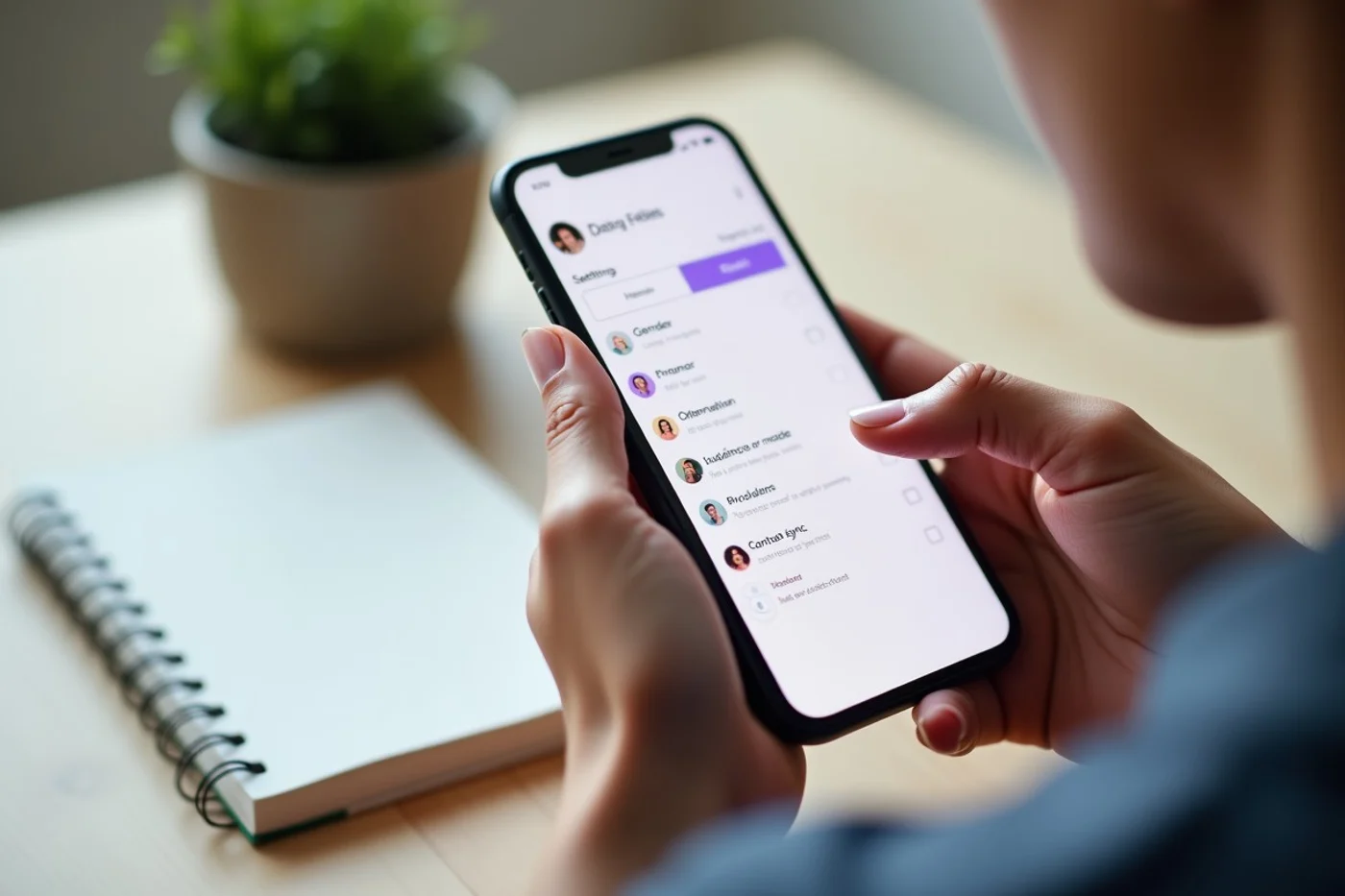
Identity fields are more than profile decoration. Gender, pronoun, and orientation options should let you describe yourself accurately without forcing a label that does not fit. Look for control over who sees those fields, whether your profile appears outside your chosen audience, and whether an incognito setting identifies exactly who will still see you. Review photo permission requests as closely as profile settings: the app should not need broad access to your whole camera roll just to add one image.
Contact syncing creates a separate exposure point. A service that imports phone contacts, links social accounts, or pushes your profile toward people already connected to you deserves close scrutiny, especially where an unwanted disclosure carries real consequences. Services that insist on contact syncing, publish every profile to a broad audience, or offer only rigid identity fields deserve a pass.
Strong policies are backed by visible enforcement
A long inclusion statement says little without rules that name the conduct moderators will act on. Read the prohibited-conduct section for discriminatory harassment, deliberate misgendering, threats to expose someone’s identity, hate speech, coercive sexual messages, impersonation, and repeated contact after a block. Reporting should sit near the profile and message tools, not behind a maze of support links.
The stronger documentation explains what a report includes, whether moderators review it, what action the reporter will hear about, and how an account holder can appeal or request review. Published moderation updates also show that the service regards enforcement as ongoing work. Vague promises to maintain a respectful community, with no report categories or enforcement details, are not worth your personal information.
Being discoverable without revealing more than you intend
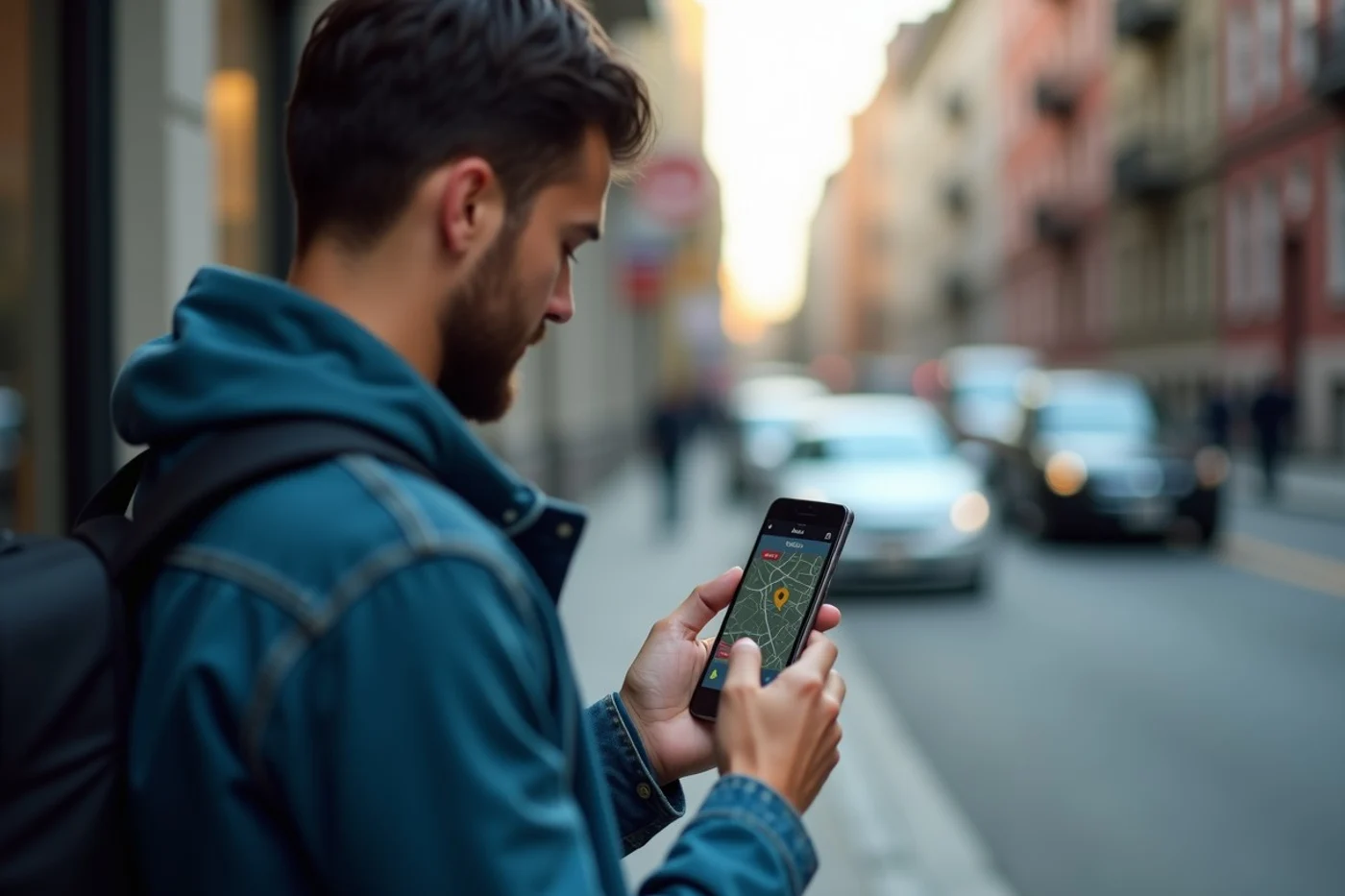
Nearby matching turns distance into a sorting tool. For LGBTQ singles whose workplace, family, or neighborhood is not fully safe, a precise distance display can narrow down where they live, work, or spend time. Choose an app with a distance setting you can reduce or hide, and inspect whether location access is required all the time or only while the app is open. A broad area is enough for matching; an exact neighborhood marker offers little dating value and exposes more than it needs to.
Social links and searchable profiles extend that exposure beyond the app. An employer name, a distinctive gym photo, a linked public account, or a reused username can lead strangers to other parts of your life. Check whether profiles appear in web search results, whether linked accounts are shown to matches, and whether identifying details remain optional. A limited profile with a non-identifying photo and restricted discovery gives you room to inspect the app before sharing more.
When a match harasses, outs, or threatens you
Capture the profile, username, dates, messages, threats, and report confirmation before blocking. Save the material outside the app as well. Blocking cuts contact fast. Because it may remove the thread from view, evidence belongs in your hands first. File the in-app report under the closest category and include the conduct that makes the situation serious: harassment, threat, impersonation, nonconsensual sharing, or an attempt to reveal your identity.
Further engagement usually gives a hostile match more access to you and produces little useful information. A report is an account-action request, not an emergency service. For an immediate threat or danger, contact 911 or local emergency services and tell a trusted person what is happening. Platform support may remove an account, but it cannot retrieve screenshots already taken, undo an unwanted disclosure, or provide urgent protection.
Which app protections can you verify before joining?
Before creating a profile, open the app’s own safety page, privacy policy, community rules, support articles, and account-settings descriptions. Search for the exact controls that matter here: profile visibility, location precision, contact syncing, photo access, blocking, reporting, review, and appeals. Screenshots in advertising are not enough; the written policy and settings menu need to describe the feature.
Join when those controls are plainly described and accessible. Limited use fits an app with worthwhile matching features but weaker discovery settings: keep the profile sparse, avoid linked accounts, and restrict visibility while you inspect its reporting tools. Avoid a service that hides its reporting route, demands unnecessary contact access, leaves location exposure unexplained, or offers no meaningful account controls. No platform removes every risk; its controls determine how much of your identity and information the service receives.
An LGBTQ-inclusive app earns trust through its settings and its response route, not its colors or slogans. Give a service only the identity, images, and location detail its controls justify. Where those controls are hidden, vague, or impossible to use without surrendering more information, leaving is the sensible choice.