
When nearby profiles are scarce, the right app matters less for having a perfect label than for letting women seeking women find one another and be treated as part of the community. Online dating sites for lesbian women are worth your time when orientation and identity settings return relevant matches, moderation is active, and profiles can describe the relationship you want. A large pool that buries those basics creates more sorting, not more opportunity.
Published by Modern Connection
Inclusive app design and community fit

Lesbian-centered services place women seeking women at the center of the experience; their audience, language, and community rules usually reflect that focus. A broadly inclusive service may welcome lesbian users while also sorting across far more identities and relationship types. Neither category deserves blind loyalty. What matters is whether the space makes your search legible from the first screen.
Read the community guidelines before spending much time there. Look for explicit rules against harassment and fetishizing behavior, a straightforward way to report misconduct, and standards that acknowledge lesbian and broader LGBTQ+ identities without treating them as an afterthought. Browse several profiles too. The stated audience, the people actually active, and the tone of prompts tell you more than a rainbow logo ever will.
Identity controls make search results more relevant
Search accuracy begins with fields that separate who you are, who you want to meet, and who sees your profile. Orientation, gender identity, and match-preference controls should narrow results before you spend an evening reading bios written for somebody else. Visibility choices also matter when you prefer not to appear in searches outside your stated preferences.
Labels are personal, not a quiz with a correct answer. Use the terms that feel accurate, leave an optional label blank when it doesn’t, and read a match’s self-description without trying to translate her into yours. A platform that treats orientation as a decorative bio field hands the filtering back to you.
Broad reach or a lesbian-centered community
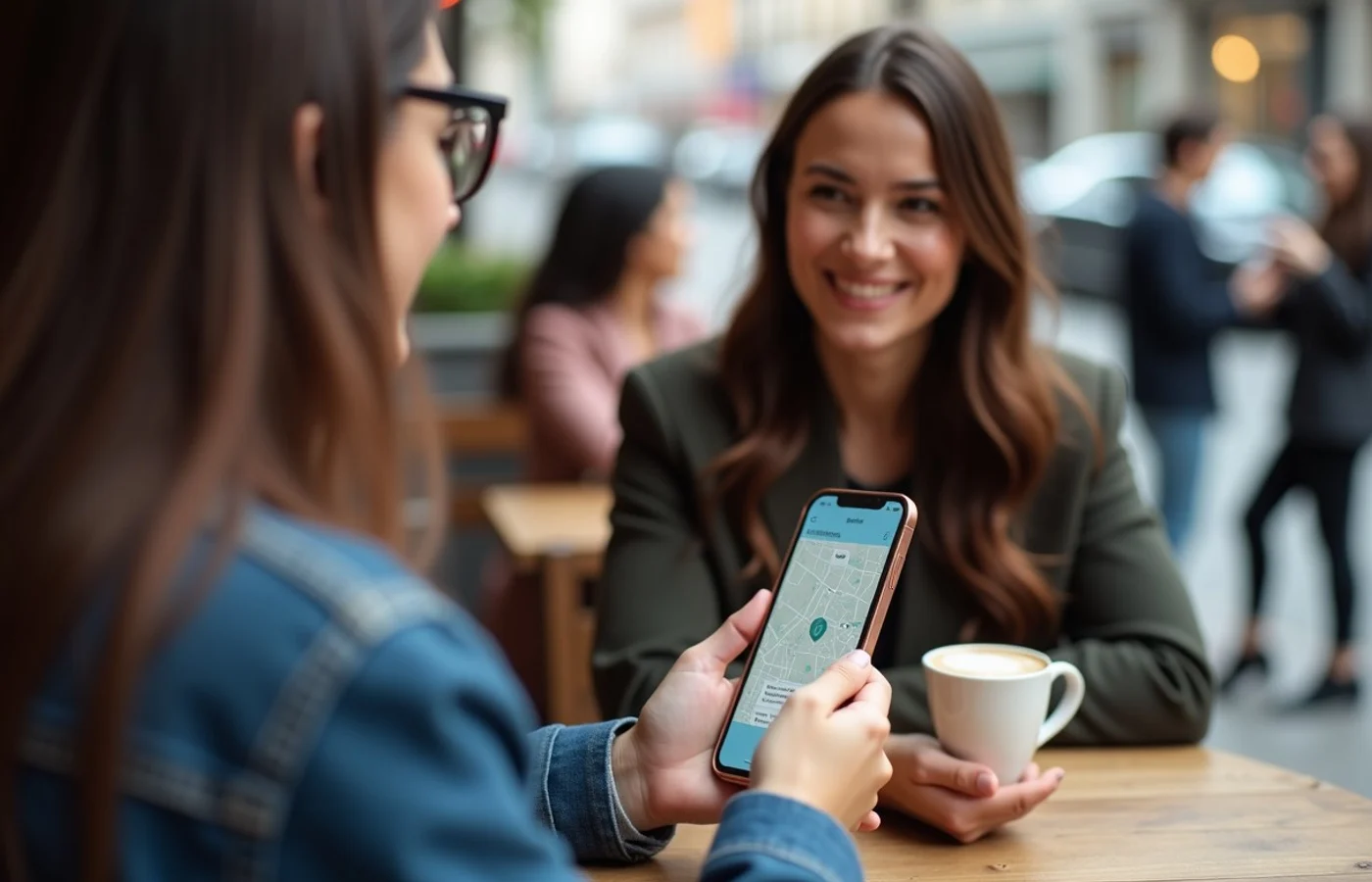
A broadly inclusive app often has a larger pool, especially outside a major city or when your radius reaches several nearby communities. That reach brings mixed intentions: women looking for a relationship sit beside people seeking casual dates, friendship, exploration, or attention with no stated direction. Strong filters and a profile that names your intention reduce the waste, but they do not replace a community built around women dating women.
A lesbian-centered service offers cultural familiarity from the outset. Less energy goes toward establishing that a woman is actually seeking women or explaining terms that matter to you. The pool may be smaller, and in a limited area you’ll meet the same faces again. The two formats serve different purposes: a broad platform supplies reach; a lesbian-centered space supplies focus. The stronger fit yields conversations with people whose identity and relationship direction are already close to yours.
When the local dating pool feels small
Adjust distance before giving up a dealbreaker. Set travel limits in advance for a first meeting and for an ongoing relationship, then widen your search only that far. Give app activity a time limit as well. Browse and reply when you can keep a conversation going, rather than during a week when every message will sit unanswered.
Repeat profiles are inevitable in a small pool. A profile you passed because its goal conflicted with yours needs no second review. New photos or a rewritten bio may merit another look; a mismatch on an important issue remains a mismatch, even on the third appearance.
What should your profile and first message clarify?
Your profile has two jobs: establish identity and signal the kind of connection you’re available for. A short line about being lesbian or queer, followed by whether you’re dating toward a relationship, companionship, or something more open-ended, screens out avoidable confusion. Add a few particulars that invite a response—an interest, a habit, a place you enjoy, a kind of weekend—without turning the bio into a ledger. Single parents benefit from naming the role and the scheduling reality, while keeping children’s identifying details off the profile.
First messages work best when they mention a detail from the other profile and invite a real reply. An opening about a book, hobby, photo context, or stated interest shows attention without demanding instant intimacy. Early conversations should also cover what affects whether you continue: how each person uses identity labels, what stays private, and how often she likes to communicate. Public profile information does not grant access to more personal details. Someone who keeps pressing after you answer directly shows how she responds when asked to stop.
A few details worth clarifying
How much relationship history belongs in a dating profile?
A brief reference is enough when it explains what you seek now. A profile need not account for every past relationship, divorce, or breakup. Save the fuller history for a conversation that has earned more context.
What does a blank orientation field mean?
It means the app has not given you enough information to sort that match. Some people leave labels out for personal reasons, but the absence does not establish compatibility. Let the rest of the profile and any conversation supply the missing context.
An app earns a place in your routine when it returns people who recognize your identity, want a compatible kind of connection, and communicate without forcing you to explain the basics. Reach matters, but relevance saves more time. Geographic flexibility has its place; central standards deserve to stay intact.