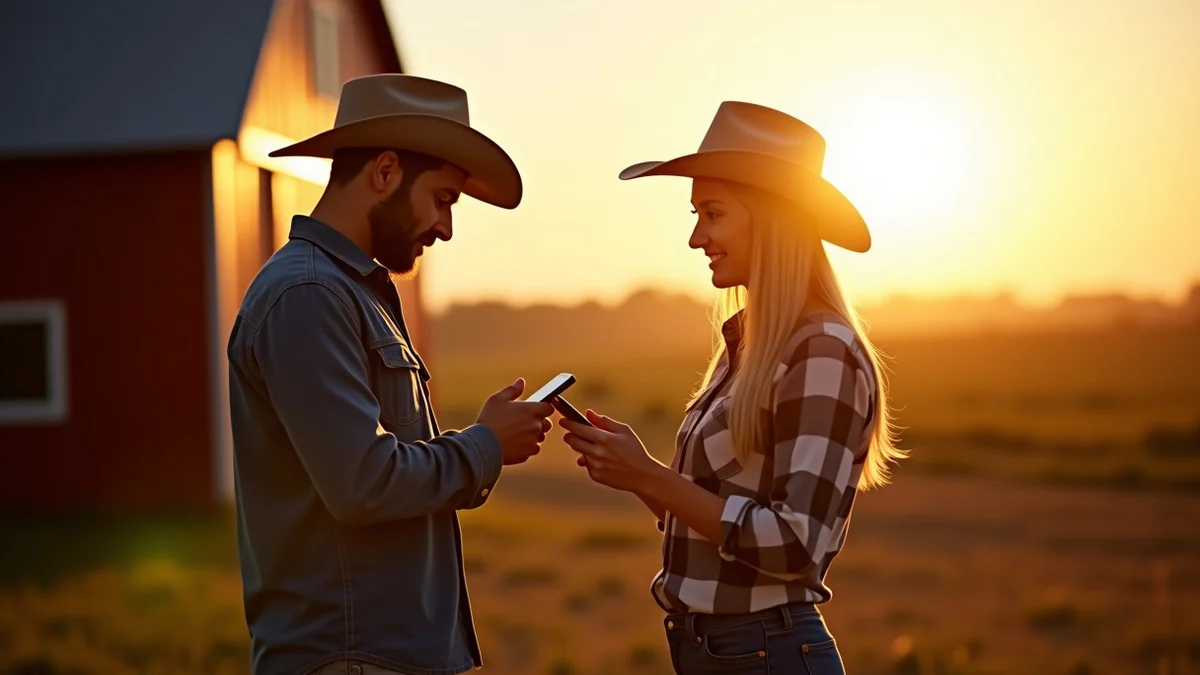
A rural dating profile can look promising on paper and still place the nearest workable date two counties away. Farmers should begin with FarmersOnly for agricultural-lifestyle relevance, then add one mainstream service such as Match, eharmony, Bumble, or Hinge when the nearby pool is thin. The deciding fact is not a service’s headline size; it is who has been active recently and will meet within the distance your week can absorb.
Published by Modern Connection
Rural dating depends on active users within a realistic drive
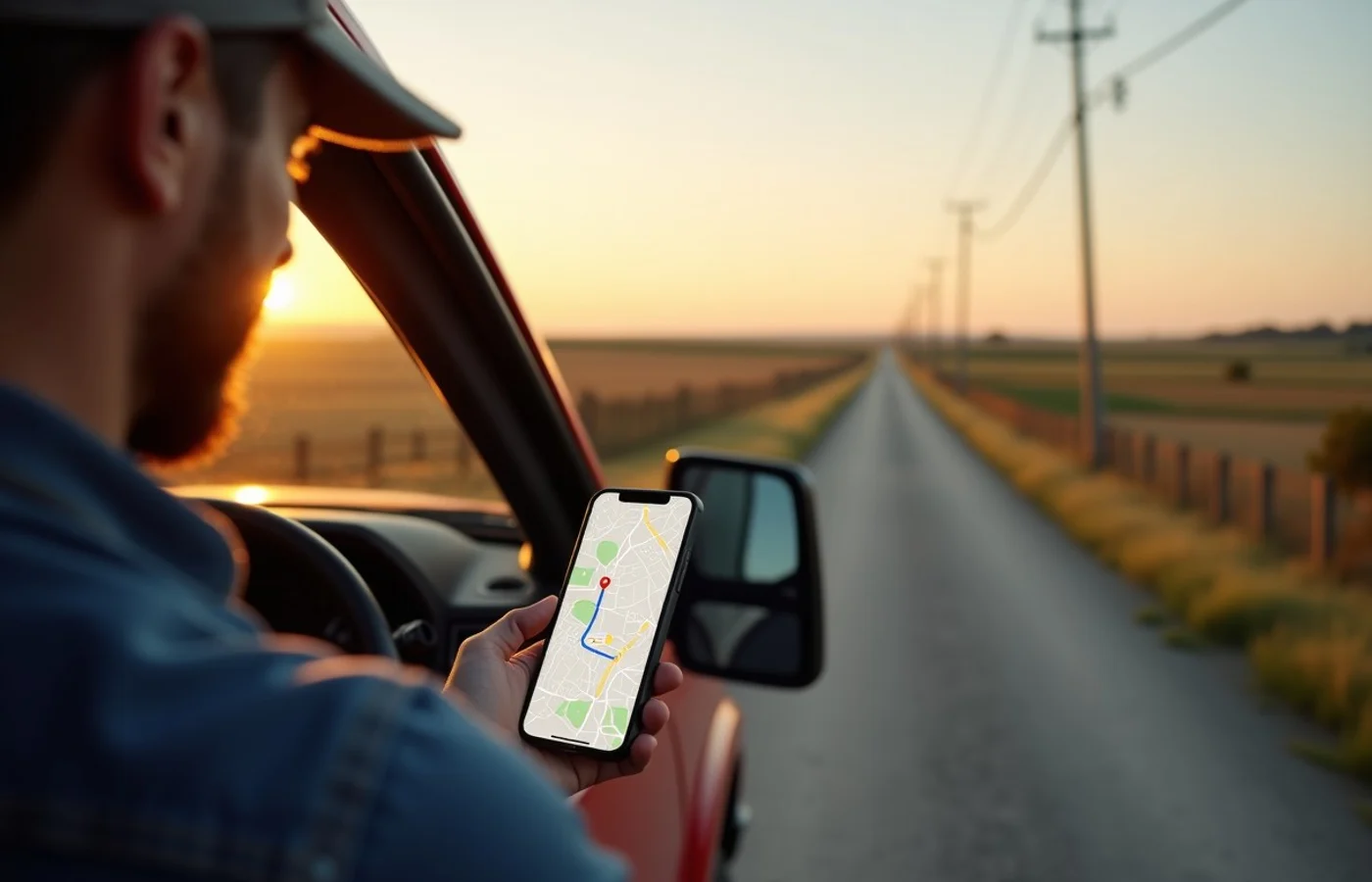
County roads turn a modest mileage setting into a long evening. A profile 45 miles away may mean 90 miles of driving, fuel, and an early return for morning chores; a profile across a state line may be closer in actual road time. Set the radius around a round trip you would take for a first coffee or dinner, then look for a stated willingness to travel or relocate.
A recently updated profile deserves more weight than a membership claim. Someone 25 miles away who names a flexible evening is a stronger prospect than an old profile 80 miles away. On a farmer-focused site, a short local list exposes the real limit quickly. A mainstream app may show more people near a regional city, but farm-life fit and driving expectations need closer reading.
During planting, harvest, or livestock emergencies
Planting and harvest do not simply fill a calendar; they move it. Equipment trouble, a narrow field window, or an overnight livestock issue can erase plans with little warning. When a person goes quiet through those stretches without context, a new match sees disinterest because no other explanation is available.
A brief account of the season belongs early in the conversation and in the profile where it affects dating. Identify the periods when replies will be delayed and the days that are usually open. When an outing is possible, offer a specific day or time window and follow through when the work releases you. That approach treats farm obligations as a fact of the relationship prospect, not as a mysterious interruption.
Profiles grounded in rural life
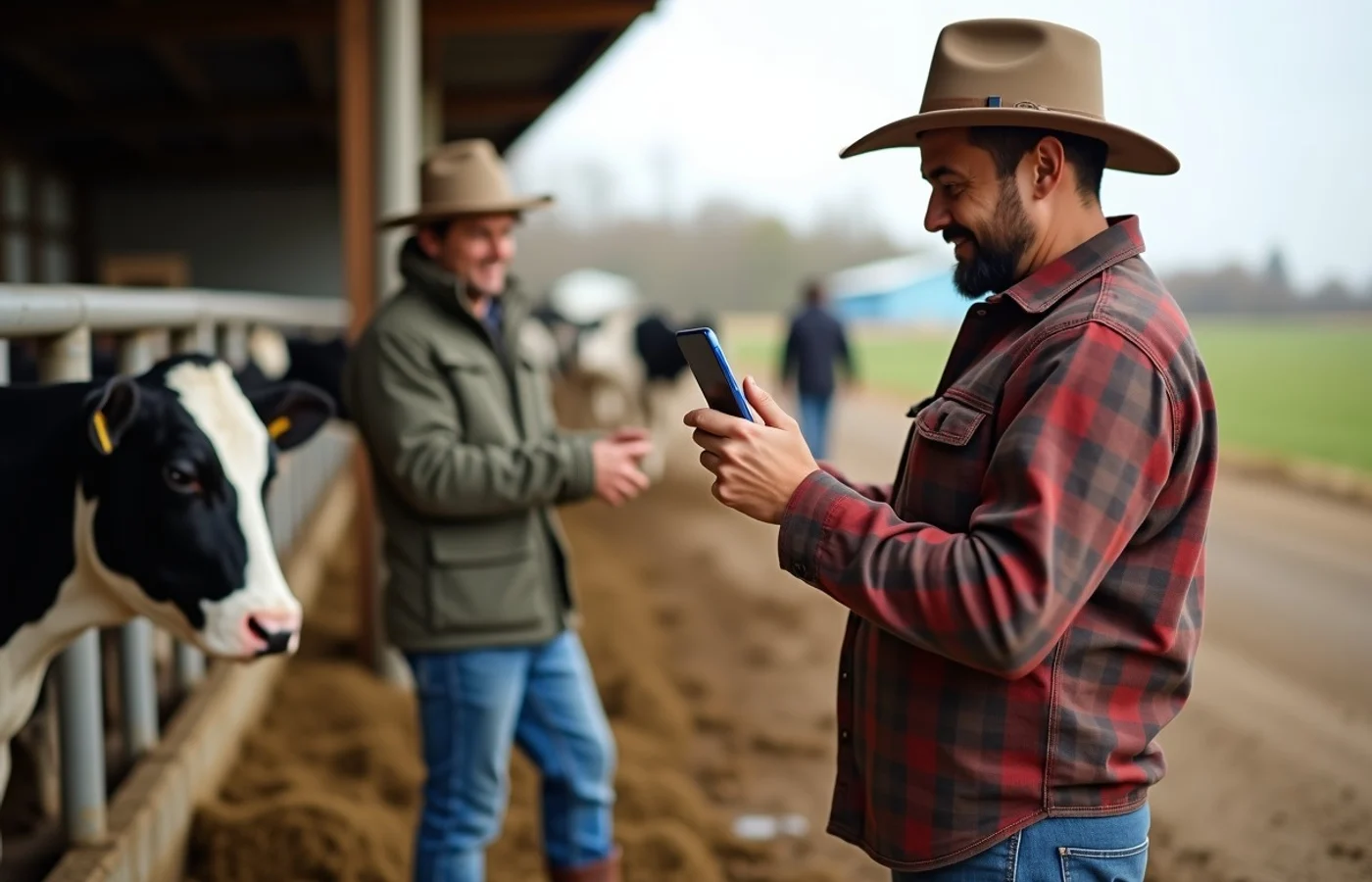
Farm work is not a personality category, and a profile that merely names an occupation leaves the consequential questions untouched. Say which responsibilities shape the week, such as row-crop planting, dairy chores, ranch work, market preparation, or an off-farm job alongside the operation. The profile should also identify whether the farm anchors you to one county, whether moving is on the table, what an ordinary evening looks like, and where you expect to be in several years. A partner need not share agricultural work, but the profile should settle whether they would be joining a life built around it or simply dating someone with demanding seasonal hours. That detail filters out a conflict far earlier than a list of hobbies ever will.
A specialized community offers relevance while a larger app offers reach
FarmersOnly begins with relevance because it is branded for farmers and rural singles. Match and eharmony are general dating services, while Bumble and Hinge are general dating apps. Their advantage for a rural user is exposure beyond an agriculture-focused pool, though that also means more profiles to assess for travel, work routines, and future location. FarmersOnly earns the first trial where nearby profiles appear current; pair it with one general service once that local list runs short. Current subscription terms, prices, and any paid messaging, filtering, or location-range tools require a check of each product’s site or app-store listing before payment.
Farm life supplies a fast test of compatibility, yet no app can manufacture nearby, active people who accept the drive and the calendar. FarmersOnly narrows the lifestyle question; a mainstream app broadens the pool. The cost of each choice is either more screening or more miles.
References
- Bumble — official information — Bumble
- Hinge — official information — Hinge
- FarmersOnly — official information — FarmersOnly
- Match — official information — Match
- eharmony — official information — eharmony