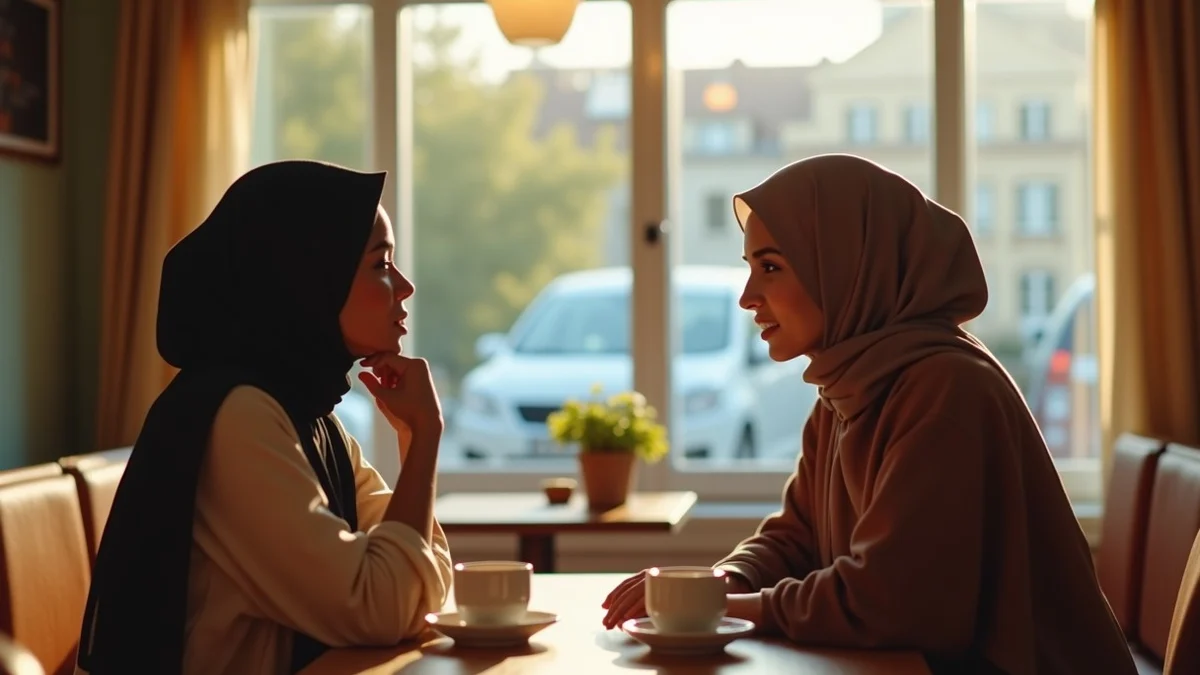
Before a first date settles into a vague routine, decide what kind of connection you want in your own life: a period of getting acquainted, an exclusive relationship, or a search for marriage. Muslim singles seeking a serious relationship are best served by naming their level of observance, relationship direction, personal limits, and expectations around family before those subjects become a source of surprise. Faith is not a single dating style, and an honest account early on prevents chemistry from resting on missing information.
Published by Modern Connection
What “meaningful connection” reveals about relationship intent

By the third or fourth exchange, people often use broad relationship language as a warm but imprecise stand-in for several different plans. Exploratory dating means learning whether attraction, temperament, and major values fit, without an agreement to be exclusive. An exclusive relationship means both people have agreed to stop pursuing other romantic connections. Marriage-oriented dating puts a future spouse at the center from the outset while still giving both people time to learn about each other.
Those positions shape expectations about time, family, physical boundaries, and how much uncertainty either person will tolerate. Someone seeking marriage does not need an engagement schedule; they do need a partner whose stated future points in the same direction. The relevant question is not who sounds most serious in the abstract. It is whether both people attach the same meaning to the relationship taking shape.
Signs a match respects differences in Muslim practice
Muslim identity is too often treated as a shortcut to a presumed culture, level of observance, politics, family structure, or dating rulebook. That assumption turns a person into a category before the relationship has even begun. It also creates needless friction when a match expects one answer about prayer, food, dress, social life, or marriage timing simply because they have met other Muslims with different practices.
You can see this in the quality of someone’s interest. A serious match asks about your own choices without turning every answer into a debate, a joke, or a test of authenticity. They accept that a religious practice, a cultural tradition, and a personal preference may sit alongside one another without being identical. Consistency matters too: interest in your faith should not disappear when an answer requires them to alter a date plan, make time for prayer, or take a stated limit seriously.
Compatibility includes faith, routine, and long-term lifestyle
Daily life is where faith compatibility either holds or breaks. The first substantial choice is whether shared faith is a broad value or a detailed part of a future household. A broad alignment can accommodate different levels of observance, social habits, and community involvement. A closer alignment centers routines: prayer, halal food, alcohol at social gatherings, dress, Ramadan and Eid, and time spent with a mosque or wider Muslim community.
Neither person needs a matching biography. They do need an accurate picture of the life that marriage would join. Questions about hosting friends, travel, children’s religious education, holiday plans, and the atmosphere of a home are not premature once a relationship is presented as marriage-minded. Waiting until strong attachment carries the conversation often turns a difference into a painful surprise. Shared values matter, but shared household expectations shape far more of the week.
Faith practice, culture, and personal boundaries
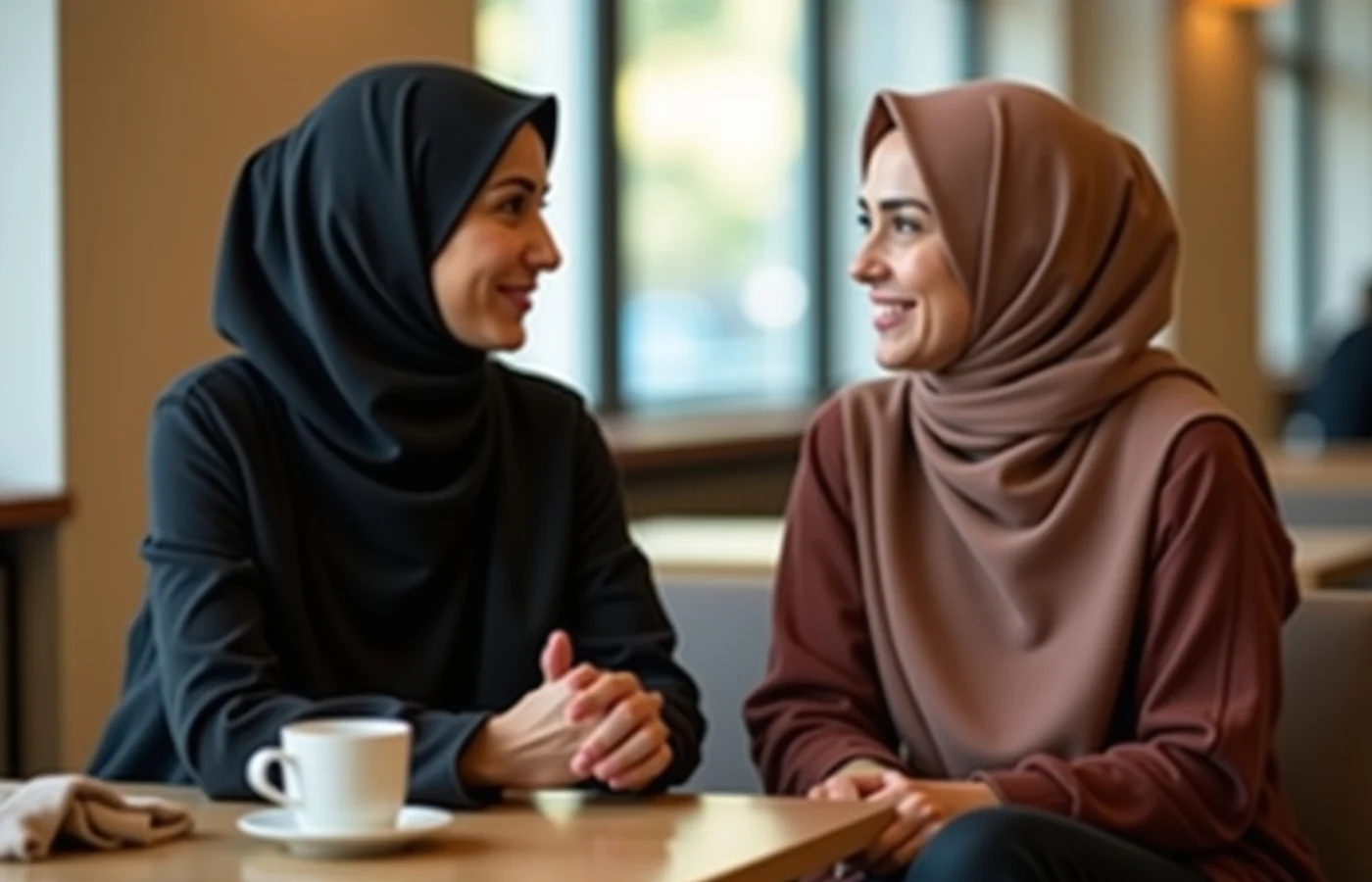
Religious commitment and family custom often appear in the same conversation, yet they make different requests. A decision about prayer or halal food speaks directly to personal religious practice. A preference for chaperoned meetings, an early introduction to elders, or a particular wedding tradition may come from a family’s culture, a parent’s expectation, or an individual’s preference. Describe each request accurately when that distinction matters. Calling every preference religious makes an honest discussion harder.
Physical and communication limits deserve the same specificity. No physical intimacy before marriage, no late-night calls, meeting only in public places, or limiting private video chats are actual terms another person can understand. Vague references to values invite each person to fill in the blanks with their own assumptions. A match who wants a different arrangement has information to act on, not a riddle to decode.
When family involvement enters the relationship
An introduction to relatives changes the shape of a relationship because it brings other people into a decision between two people. Earlier family involvement often shows that courtship is being taken seriously or that relatives expect to be involved from the beginning. It also brings family expectations into view before the two people have built much rapport. Later involvement lets the pair get acquainted first, while leaving a family-oriented person uncertain about where the relationship stands.
Timing alone does not settle the question. Before relatives are contacted, agree on what involvement means: a casual mention at home, a phone call, a meal, a formal meeting, or regular participation in decisions. That conversation also needs a shared understanding of the relationship itself. A family introduction should reflect an agreement already made between the two people, not force one through outside expectations.
State your intentions clearly in your profile and conversations
A profile has two jobs here: it identifies the life you lead and prevents strangers from assigning their own version of Muslim dating to you. A broad description built around Muslim identity, faith-centered living, and a serious relationship draws a wider range of replies, but leaves basic questions for later. A more detailed profile names the matters that govern dating: level of observance, halal food, alcohol, physical limits, marriage intention, and comfort with family involvement.
Detail should not read like a family intake form. The strongest profile language names a few facts that affect compatibility and also shows the person behind the facts: marriage-minded, observant in daily life, halal diet, no alcohol, or seeking an introduction that includes family. Openness also belongs there when it is genuine. Someone may welcome a partner from a different cultural background or a different style of observance when the central commitments align. Personal specificity is more welcoming than a vague test of religious credentials.
For Muslim singles, meaningful dating means putting the important facts on the table early: what faith looks like in daily life, where the relationship is headed, which limits matter, and when family enters the picture.