
Finding local Latino singles dating in Austin gets complicated when cultural familiarity matters, yet a broad label hides the details that shape daily life. Austin’s recurring arts, volunteer, dance, professional, and neighborhood circles offer repeat contact; your profile and early conversations should then cover identity, language, family, and relationship intentions. Shared heritage starts the discussion, not the whole relationship.
Published by Modern Connection
When cultural familiarity matters but labels feel incomplete
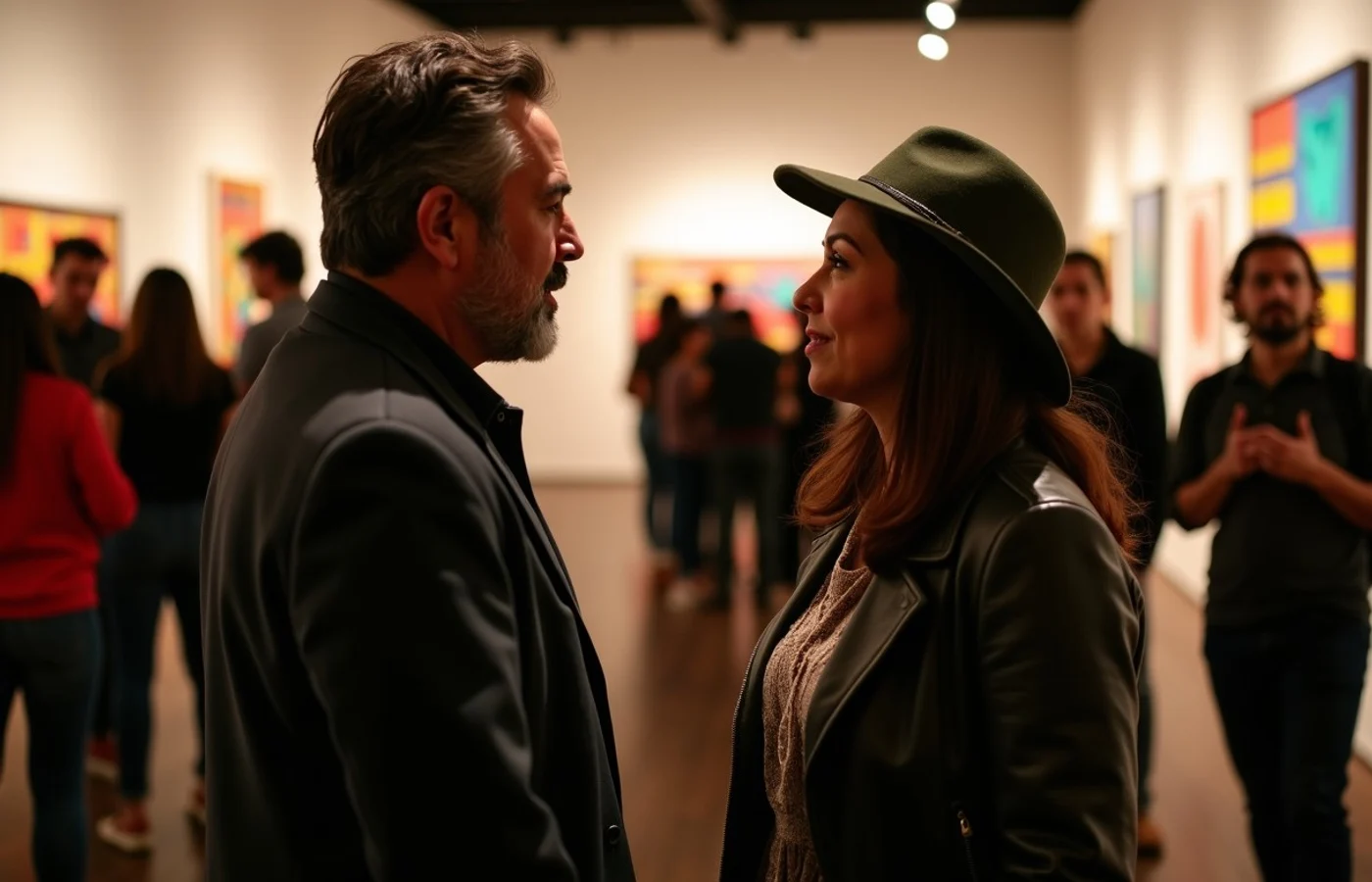
“Latino” can point to ancestry, family ties, language, or a racial and cultural identity; in Austin, those connections sit beside people whose roots trace to Mexico, Puerto Rico, Central and South America, the Caribbean, and many mixed families. The label alone tells you little about home language, religious practice, class background, or how central heritage feels in dating. Someone raised bilingually in Austin and someone who learned Spanish later may both claim Latino identity while arriving with very different reference points.
Choose cultural familiarity as an invitation to begin a conversation, not as a shortcut around it. Mention what you value—Spanish at home, a family celebration, Latin music, or a bilingual life—then leave the other person free to define their own ties. That choice prevents a promising local connection from turning into an audition for authenticity.
Austin communities and recurring social settings
One-off nightlife produces introductions; repeated gatherings give people a reason to recognize each other after the first conversation. In Austin, check current public programming at the Emma S. Barrientos Mexican American Cultural Center, Mexic-Arte Museum, and Teatro Vivo, then favor a workshop series, volunteer commitment, dance class, or neighborhood project you would genuinely attend again. Festival crowds suit a brief introduction. A professional association meeting or recurring community activity creates a second encounter without manufacturing one. Pick an area of Austin within your weeknight reach; a cross-town plan for every meeting is a poor foundation.
A specific profile invites connection without assigning stereotypes

On an app, cultural identity belongs as an honest part of your life, not a claim about the kind of person you expect to date. A strong bio names a tradition or experience you would actually discuss on a first date: hosting relatives for a holiday, visiting Mexic-Arte Museum, going to dance nights, or living between Spanish and English. The relationship direction belongs there too—casual dating, partnership, marriage, or a slower search for a long-term bond—so cultural reference sits alongside intention.
Declarations that turn heritage into a gatekeeping test or attach traits to a whole group narrow the field for the wrong reason. A bio identifying your own background, preferred language, and one Austin interest has substance. It speaks to people who relate and gives someone from a different Latino background a genuine point of entry. Photos should reflect your actual week, not a borrowed image of culture.
How can you ask about language and family expectations respectfully?
Language affects comfort as much as comprehension. Bring it up as a daily preference: which language feels most natural when tired, what code-switching looks like with friends, and whether bilingual conversation feels welcome. Fluency is not a measure of cultural legitimacy, and an early exchange should never turn into a test.
Family closeness and family involvement are separate questions. Weekly dinners, shared holidays, or frequent calls describe closeness. Involvement concerns whether relatives influence partner choice, when introductions happen, and how a couple handles competing family plans. Discuss those details before treating an invitation to a family gathering as proof that both of you see the relationship the same way.
Shared heritage may open a door, but broader compatibility determines fit
Cultural familiarity often means less explanation around a holiday, a family gathering, or a switch in language. Yet heritage leaves major questions unanswered: whether dating is headed toward commitment, how each person handles conflict, how work travel or late nights shape the week, and what role religion plays at home. Shared background is a welcome point of connection; it is not a pass on those questions.
Daily life belongs beside cultural affinity. Conversations about marriage, children, housing, money habits, faith practice, drinking, social life, and time with relatives reveal the terms of a shared future. Emotional habits deserve equal attention: direct disagreement or withdrawal, affection in public or private, frequent texting or calls only when plans need setting. These differences affect the relationship in concrete ways long after the first spark of recognition. A couple can prefer different amounts of family time and still agree on notice, holidays, and whose commitments take priority when calendars collide. That is a workable difference. When answers divide sharply on life direction or communication, shared heritage will not close the gap. Austin’s Latino community is a place to meet people with familiar reference points, not a reason to lower the standard for a compatible partnership.
Choose settings you would return to, describe your own life without claiming anyone else’s, and give family, language, and future plans the attention they deserve before attachment deepens.
References
- Mexic-Arte Museum — official information — Mexic-Arte Museum
- Teatro Vivo — official information — Teatro Vivo
- City of Austin — official information — City of Austin
- Austin, Texas — official information — Austin, Texas
- Chispa — official information — Chispa