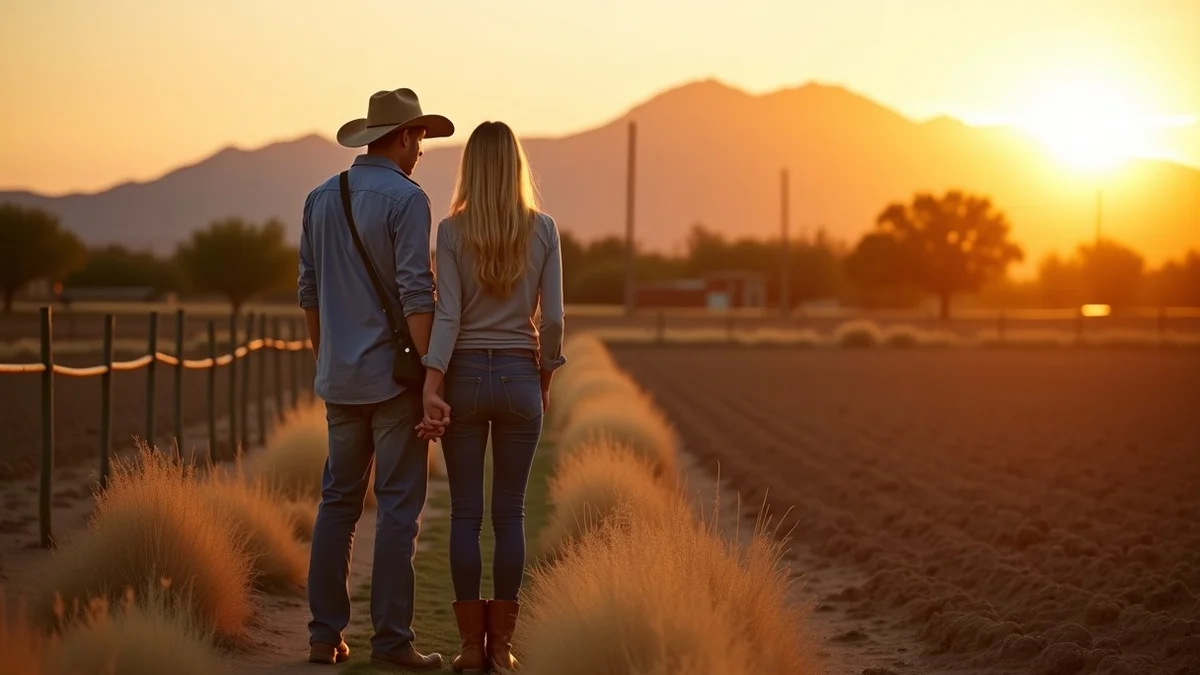
Farmers dating in Scottsdale face a simple tension: the city offers a broad social pool, while farm work follows land, animals, and daylight. Meet people through agricultural and equestrian circles, referrals, and a geographically wider app search, then describe the hours your work actually demands. The right relationship does not require the same occupation, but it does require respect for the timetable and place that agricultural work creates.
Published by Modern Connection
Scottsdale-area agricultural communities and meeting channels
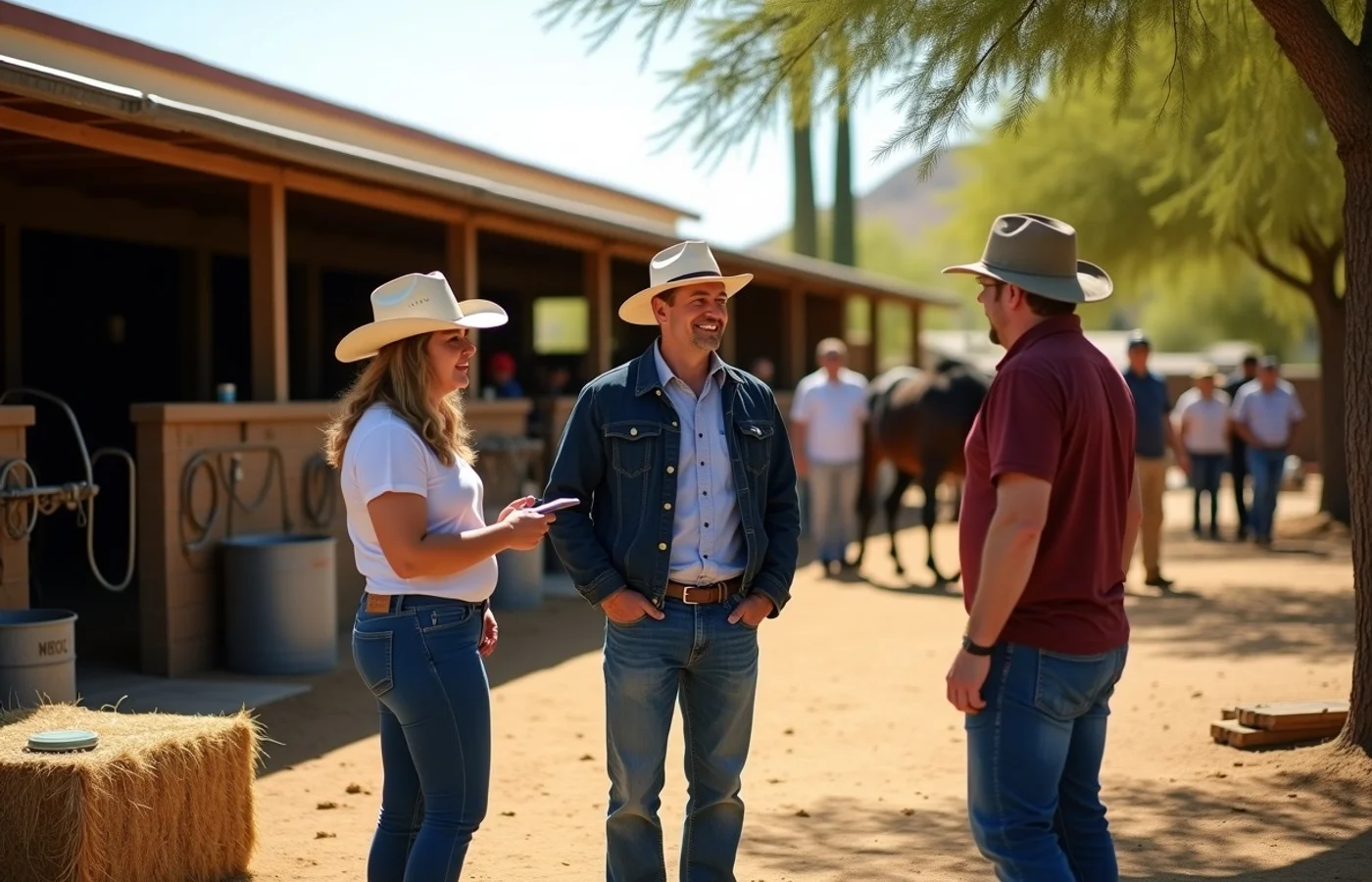
Scottsdale and the surrounding Valley offer several routes into agricultural-minded social circles, and each produces a different kind of introduction. Agricultural associations, farm supply networks, cooperative projects, and regional field events put you around people who understand that a predawn start is ordinary. Equestrian communities are another natural overlap: barn work, shows, lessons, and volunteer days draw adults whose weekends already include animal care and long drives. Farmers markets and agritourism events work best as places to become a familiar face over time, not as a place to interrupt someone serving customers. A referral from a neighbor, vendor, or friend also arrives with more context than a profile ever will.
Dating platforms widen the Scottsdale search beyond the people you encounter through work. Set a radius that reaches beyond the most urban parts of the city, and use your profile to name the parts of farm life that shape your week: early starts, weekend chores, seasonal rushes, and a home base tied to the operation. Mention interests beyond the work as well. Someone reading your profile should see a full life, not a costume built from boots, trucks, and sunrise photos.
Agricultural schedules require unusually clear availability
The important detail is not simply that farming is busy. Most adults are busy. A lambing week, irrigation problem, harvest window, or illness in the herd can reshape a day with little warning, while morning chores set the rest of the week in motion.
Put those recurring commitments on the table early, along with a genuine opening: a Tuesday dinner after chores, a Sunday afternoon, or a week that becomes freer after a seasonal rush. Naming both sides prevents a new match from reading every delay as disinterest. They should know which plans have firm footing and when an animal or field takes precedence.
A farming label attracts attention, but shared rural priorities sustain compatibility
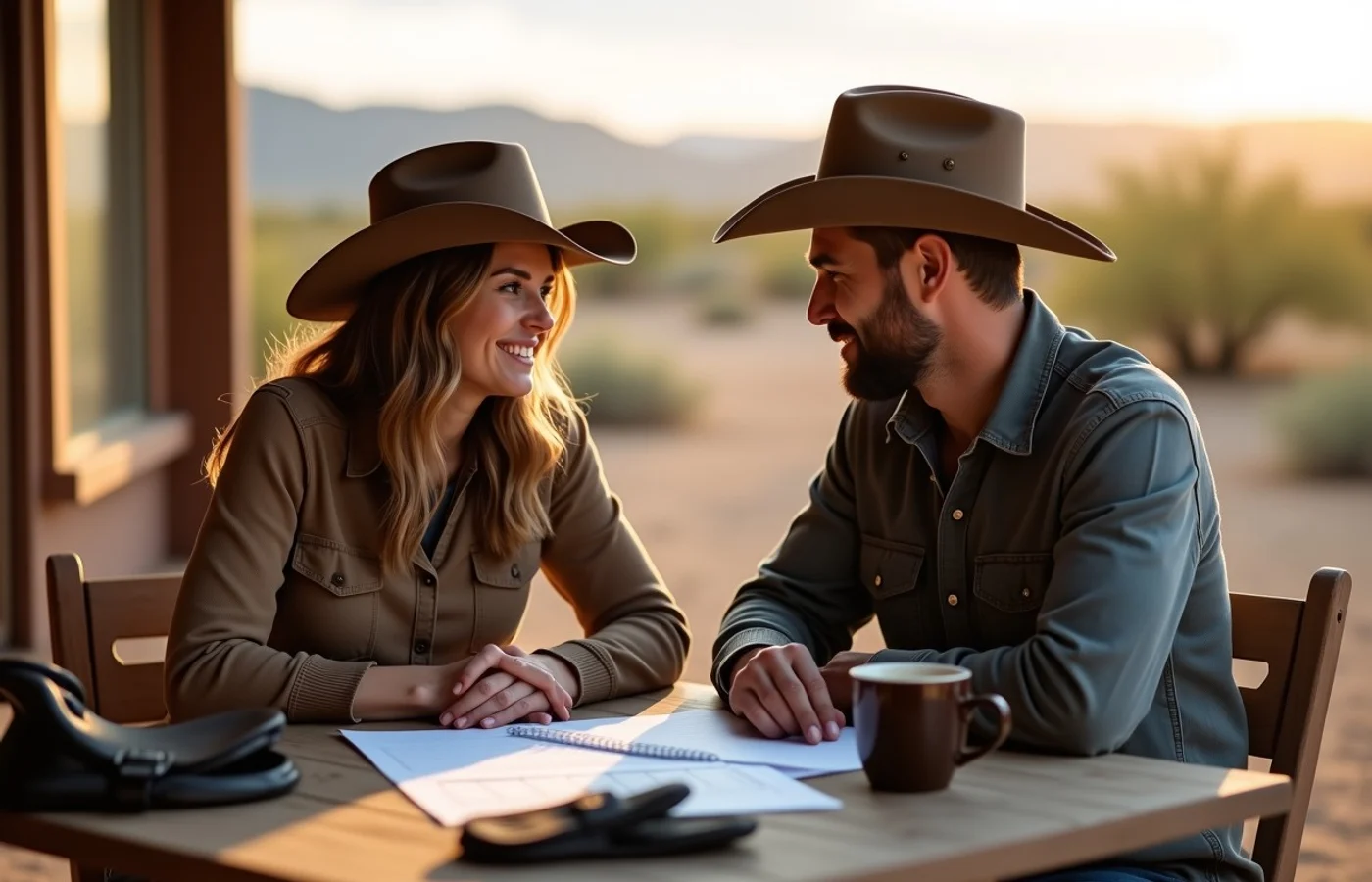
A farming label attracts interest because it suggests a place and a way of life. That is only the introduction. The harder questions concern distance from restaurants and friends, family land, relocation choices, and whether both people enjoy a social life planned around chores, daylight, and driving.
An accountant fond of horses and happy with a quieter home base may fit better than another agricultural worker expecting a city-centered future. In Scottsdale, where an urban dating pool sits close to rural and equestrian routines, those long-view questions deserve an early answer.
During a demanding season, short and predictable dates work better
During planting, harvest, birthing periods, or equipment trouble, a two-hour dinner that starts late invites disappointment. A 45-minute breakfast after morning chores, coffee at a fixed afternoon stop, or an early-evening meal with a firm end time gives both people something dependable. Dates close to home also stop a long drive from consuming the small gap left after work.
Predictability matters more than grandeur in these weeks. Put the date on the calendar when it is genuinely workable, confirm it before leaving work, and cancel promptly when an animal-care obligation takes over. After a cancellation, name the next time you can meet and keep it. Repeated vague postponements will wear down even an understanding match.
Where should the search expand when Scottsdale feels too urban?
- Search Area: Scottsdale and nearby urban areas Upside: Shorter drives support an ordinary weeknight coffee or meal. Limitation: More matches will have little direct familiarity with livestock, land, or seasonal work.
- Search Area: East Valley and outer communities around Scottsdale Upside: A wider pool raises the chance of meeting people already at ease with horses, acreage, or longer drives. Limitation: Casual meetups become less frequent, so each date needs a firm time and route.
- Search Area: A broad regional radius Upside: This suits a search where agricultural priorities matter more than frequent midweek dates. Limitation: Distance tests whether both people will make the trip and whether a future near the operation is realistic.
A few details worth clarifying
What belongs in a dating profile for someone in agriculture?
Include the parts of your work that shape ordinary life: early mornings, animal care, busy seasons, and whether you expect to remain near the operation. Add the interests, humor, and routines that make up the rest of your week.
Is it a mistake to date someone who has never lived rurally?
No. Prior rural experience is less important than their response to driving, chores, family land, and the possibility that work will keep you rooted to one area. Curiosity is welcome; resentment about those facts is not.
Should a first meeting happen on the farm?
Usually, no. A coffee or casual meal keeps work offstage and leaves time to talk. The farm belongs later, once an invitation fits the relationship and the day's duties.
Scottsdale supplies introductions, but a relationship around agricultural work is built in the calendar: early starts, seasonal surges, distance, and a shared willingness to stay close to the work.