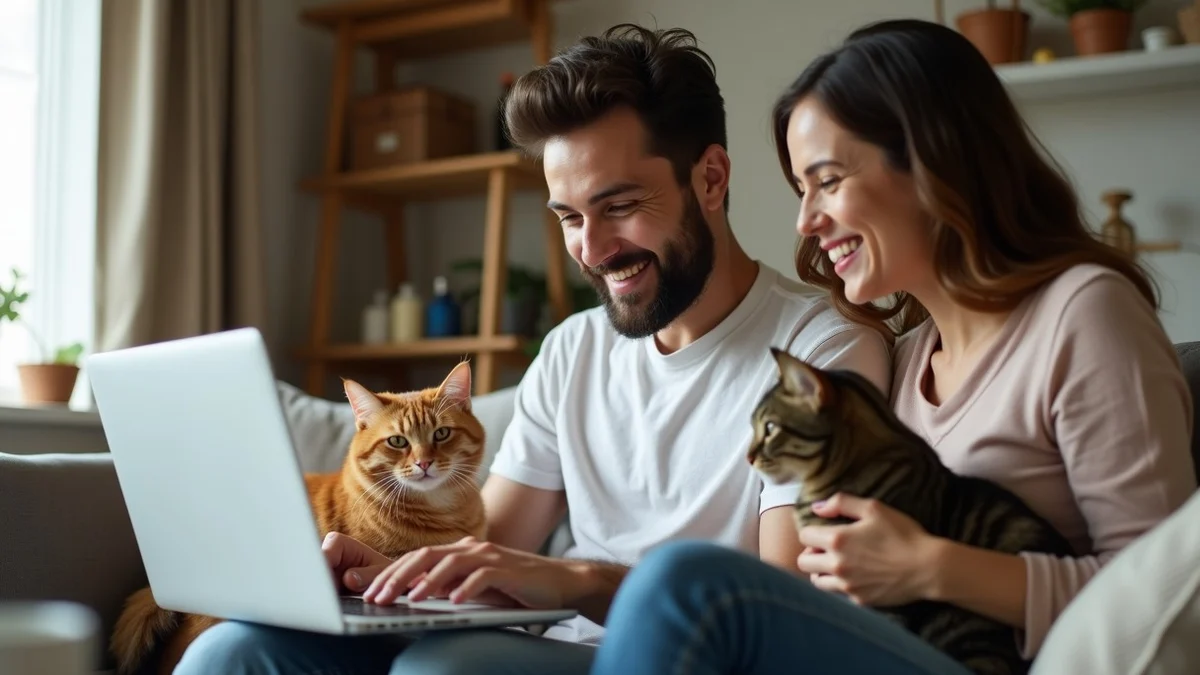
Cat ownership becomes a marriage issue long before a shared lease: fur, furniture, travel plans, and an animal’s established territory don’t disappear with chemistry. For cat lovers looking for marriage, PetPeopleMeet is the most directly relevant starting point because it serves pet lovers; pair it with a mainstream service such as eharmony or Match when a broader dating pool matters. The common mistake is treating a pet-themed site as proof of serious intent. Your profile needs to establish both facts.
Published by Modern Connection
Which platforms help cat lovers signal marriage intentions?

PetPeopleMeet is the clearest niche option: it presents itself as a dating service for pet lovers, so affection for cats is part of the premise. That shared interest does not establish a marriage agenda. Before committing time, review its current relationship-goal field, pet details, search controls, and the number of nearby profiles that fit. eharmony and Match are general dating services with a wider pool, so stated long-term intentions deserve extra attention. Hinge, which describes itself as designed to be deleted, and OkCupid offer additional general-app routes. PetPeopleMeet plus one mainstream service is the strongest shortlist: the former puts pet affinity near the front, while the latter tests whether more local people are ready to name a future.
A cat belongs in the profile when it shapes daily life
A cat photo works best when it shows life at home rather than using the animal in place of an introduction. One relaxed picture of you at home with the cat gives a match an honest glimpse of the household. Follow it with profile text covering practical details: whether the cat is indoor-only, whether it sleeps in the bedroom, whether there is more than one cat, and how central the pet is to your routine.
The benefit is early self-selection. Anyone unable to live with cats, bothered by fur on furniture, or expecting a spotless pet-free bedroom sees the situation before a first date becomes a false start. The profile should also cover your work, interests, values, and marriage intention. A cat is central to the home, but it need not take over the entire introduction. Explain the living arrangement instead of simply calling yourself a cat parent.
When dating could lead to a shared home

Allergies turn a charming profile detail into a household question. Severity needs plain terms early enough to matter: occasional irritation after a visit is different from symptoms that make regular time in a cat home untenable. Bedroom access, upholstered furniture, litter placement, grooming, cleaning frequency, and air quality all shape whether two people can share space without one person living in discomfort or the other treating the cat as a problem to be removed.
Some setups can work. A partner with mild symptoms who is comfortable with cat-free sleeping space and a set cleaning routine faces a different situation from someone whose allergy rules out extended time in the home. Existing animals matter too. A resident cat that has never lived with another pet requires a slower household plan, and a partner’s dog or cat brings its own territory, feeding, and separation issues. Marriage does not erase those constraints.
Early pet conversations reveal broader compatibility
Cats stop being small talk once they affect the life a couple plans to share. Someone’s response to an established animal reveals how they view commitments that existed before the relationship. Contempt for a pet, or casual talk about giving it away when a home becomes inconvenient, should be taken seriously. A future spouse need not share every cat habit; they do need to see the animal as a living commitment, not a decorative accessory.
The same topic exposes daily preferences that often stay hidden during early dates. Cleanliness expectations surface through litter, shedding, counters, and furniture. Travel flexibility appears in decisions about boarding, sitters, weekend trips, and who remains responsible when plans change. Spending priorities show up in attitudes toward food, routine care, and unexpected veterinary bills. These are not tests of who loves animals more. They show how each person handles mess, expense, inconvenience, and obligations that cannot be postponed for romance.
Pet care roles and household expectations
By the time marriage feels plausible, the cat belongs in the household conversation as an existing responsibility, not a decorative preference. Feeding, litter duty, veterinary costs, travel care, grooming, furniture rules, and bedroom access all need a named expectation. Vague promises of helping create resentment when the daily work arrives.
The current owner should remain the primary decision-maker and caregiver unless both people explicitly agree to a different arrangement. A spouse may enjoy the cat deeply without taking on litter duty or medical bills; another couple may divide both. What matters is that the arrangement is spoken plainly before a shared home turns an unexamined assumption into a fight.
Marriage-minded cat dating works when the profile introduces the reality and the later conversation tests the household fit. The costly error is postponing allergy limits, sleeping-space rules, and care duties until affection has turned a straightforward incompatibility into a serious conflict.
Where the factual details come from
- PetPeopleMeet — official information — PetPeopleMeet
- Hinge — official information — Hinge
- eharmony — official information — eharmony
- Match — official information — Match
- OkCupid — official information — OkCupid