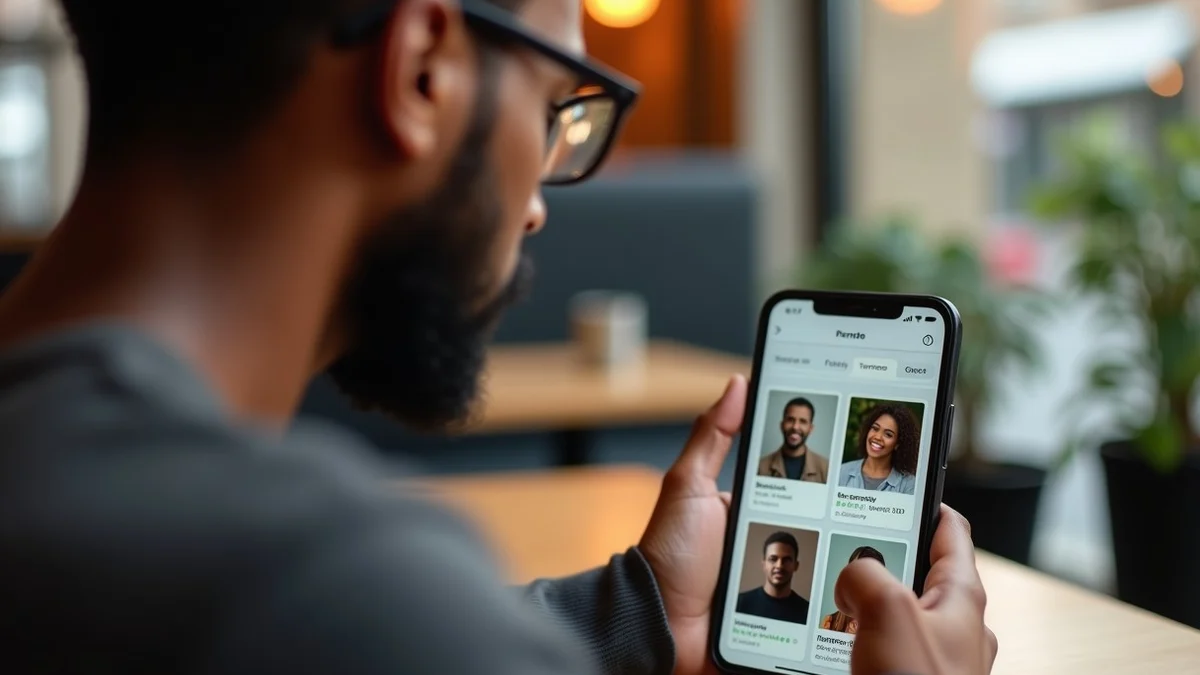
The best dating apps for Black singles earn a place on your phone through active local profiles, stated relationship intentions, and credible enforcement—not a Black-centered ad campaign. A solid first shortlist pairs BLK, BlackPeopleMeet, or BlackCupid with Hinge or Bumble, then removes any option that looks thin nearby or vague about misconduct. For example, a dater seeking a committed relationship in a mid-sized market reviews the local profiles and stated intentions on BLK and Hinge before considering a paid tier.
Published by Modern Connection
A useful app shortlist for Black singles
Three categories deserve attention. BLK is positioned for Black singles; BlackPeopleMeet is a dating platform for Black singles; and BlackCupid focuses on Black dating. Those services put Black dating at the center of their stated audience. Hinge and Bumble belong in the mainstream comparison set, where the general audience is wider and the question becomes whether the nearby pool includes people whose interests and relationship intentions line up with yours. No app deserves automatic trust because its branding looks familiar. A shortlist works when it contains one or two Black-focused options and one mainstream alternative, with enough profile detail to show who is seeking a long-term relationship, casual dating, or something else. That arrangement tests community concentration against general reach without pretending either category wins everywhere.
Representation matters beyond an app’s marketing images
Promotional photos say almost nothing about the people using an app near you. Representation shows up in the first group of local profiles: enough detail to distinguish interests and relationship plans, signs of recent activity, and people describing themselves as more than a photo and a location pin. A small local pool with substantive profiles is more promising than a large stack of empty bios.
Recent app-store comments add another layer. Read them for repeated reports of dead accounts, biased messages, ignored reports, or confusing paid limits. Published community guidelines and a direct route to block or report misconduct matter more than an inclusion statement that never explains what happens after a complaint.
Niche community focus or a larger mainstream pool
The distinction is not niche versus mainstream in the abstract. It is concentration of relevant profiles versus the reach available under your own distance, age, and relationship-intention limits.
BLK, BlackPeopleMeet, and BlackCupid
Black dating is the stated focus.
The audience focus may put cultural relevance nearer the front of the search.
Nearby profile depth, signs of account activity, stated relationship intentions, reporting tools, and paid-message or filter limits.
Hinge and Bumble
Mainstream dating-app audience.
A broader general pool is worth testing when narrow distance or age limits leave a niche option sparse.
Whether local Black singles are present in sufficient numbers and whether profiles disclose enough about dating intentions and interests.
A two-app shortlist
One Black-focused service alongside one mainstream app.
It exposes a weak local pool quickly without requiring faith in a single brand.
Apply the same location, age, and relationship criteria before comparing profile quality or any upgrade.
When location and dating goals narrow the match pool
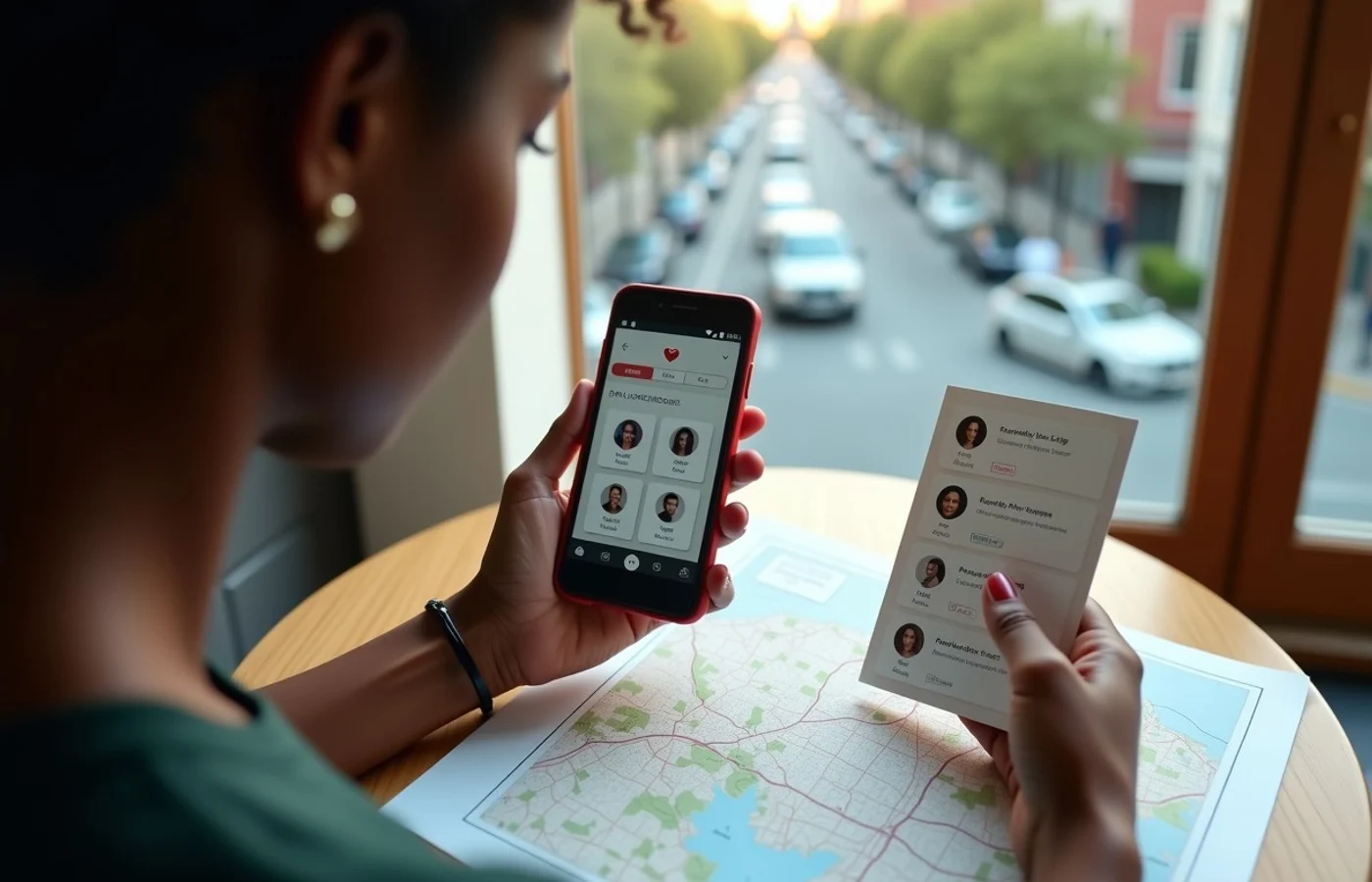
Geography cuts harder than branding. An app that displays only a handful of nearby profiles inside a 35-mile radius is a poor bet for someone unwilling to travel, even when its audience focus looks ideal on paper. The reverse is also true: a Black-focused app with a healthy local pool deserves priority over a mainstream alternative filled mostly with people outside your age range or dating aim. That applies to searches in Omaha, across Georgia, or in Oklahoma: state-level interest tells you little about the people inside your actual travel radius. Age preferences and a stated interest in long-term dating narrow results further. Review those exact constraints before subscribing, because an app full of appealing profiles outside them has little value.
What identity controls reveal about match quality
Race fields and preference filters are blunt instruments. They may help people find a community-centered space, yet they do not establish cultural compatibility, seriousness, or basic respect. The stronger profile experience gives members room to describe interests, family plans, faith, work life, hometown ties, and what they are seeking. Those details create a fuller basis for connection than a single identity label.
Examine profile setup and editing before putting money into BLK, BlackPeopleMeet, BlackCupid, Hinge, or Bumble. Look for room to state relationship intentions in your own words and to describe the parts of life that matter to you. Be wary of controls that reduce people to a narrow demographic sort while giving little space for values and everyday interests. A profile mentioning a commitment to family, a love of live music, or plans for marriage communicates more than a category field ever will. The feature worth paying attention to is not a sharper ethnic filter; it is enough profile depth to screen for compatibility without inviting reductive assumptions.
Verify moderation, features, and costs before subscribing
- The review should locate a reporting route, a block control, prohibited conduct, and an explanation of how the service handles complaints involving harassment or discriminatory behavior.
- Before a paid upgrade, inspect the profile editor, the relationship-intention fields, nearby results, and which functions remain available without payment.
- Compare the official subscription screen with the current Apple App Store or Google Play listing. Note the price, renewal terms, trial language, and features attached to each tier.
- Apply the same distance, age range, and dating intention on two apps. A short review of profile depth and local activity is more revealing than a brand promise.
Warning signs that an app will not serve you well
The main mistake is mistaking audience branding for a functioning local dating pool. Sparse nearby profiles, incomplete bios, and profiles that offer no stated relationship intention leave too much guesswork before a first conversation even begins. An app is also a poor fit when its members repeatedly make biased comments, fetishize Black identity, or dismiss stated boundaries. Those incidents are not a minor inconvenience when the service gives no clear report route or offers no meaningful explanation of prohibited conduct.
Unexpected charges deserve the same scrutiny. A paid upgrade is one thing; essential controls hidden until checkout are another. When the functions needed to assess local matches or communicate are locked behind terms that were not apparent during signup, the service has made comparison harder on purpose. Leave that option off the shortlist. Dating apps already demand time and attention; there is no reason to subsidize a product that supplies little local substance or weak accountability.
Community focus is a valid reason to try BLK, BlackPeopleMeet, or BlackCupid, while Hinge and Bumble provide a mainstream comparison point. The condition that changes the answer most is the number and quality of nearby profiles that remain after your actual distance, age, and relationship-intention limits are applied. That local reality matters more than a polished brand identity.
References
- BLK — official information — BLK
- BlackPeopleMeet — official information — BlackPeopleMeet
- BlackCupid — official information — BlackCupid
- Hinge — official information — Hinge
- Bumble — official information — Bumble