
Chula Vista sits inside a much larger San Diego dating area, so a city-only filter can shrink the pool too far. For college-educated singles here, the better app combines education and relationship-intent filters with profile visibility controls, solid reporting and blocking, and a radius that works for real South Bay-to-San Diego travel. Credentials narrow a search; account controls and local participation determine whether the app is worth your time.
Published by Modern Connection
Education Filters Do Not Replace Strong Trust and Safety Controls
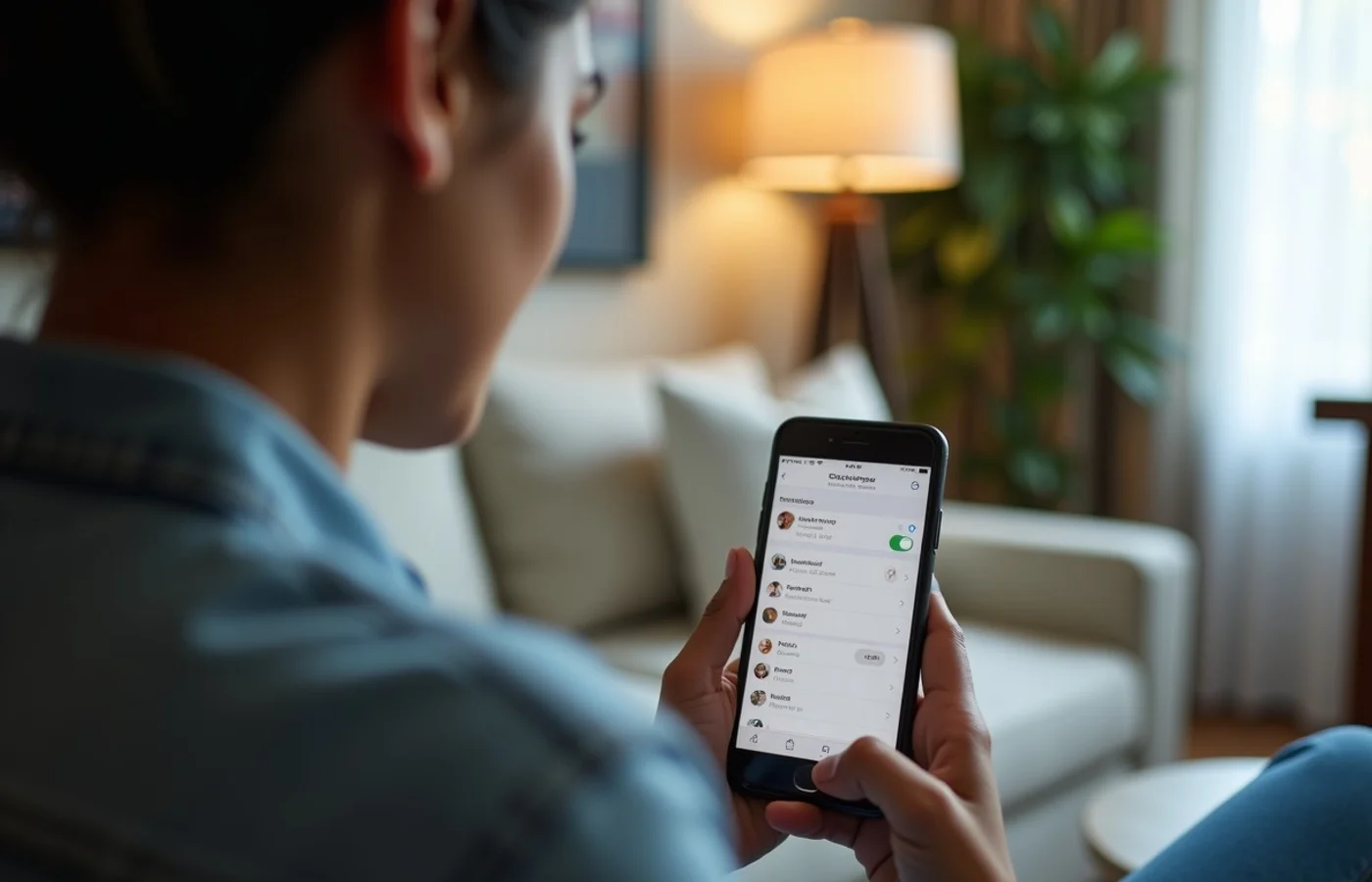
Education filters can narrow a crowded feed, especially alongside a stated desire for a long-term relationship. They help with compatibility, not protection. EliteSingles presents itself as a service for educated singles, while Hinge and Bumble publish dedicated safety resources; compare each only after reviewing its profile visibility settings, block function, report categories, and support route. A degree field says nothing about whether an account has a workable enforcement process. Give safety controls equal priority, then use education and intent to determine who appears in the feed.
When Chula Vista Matches Extend Into Greater San Diego
The radius setting changes more than the number of profiles. Reaching National City and central San Diego expands the pool, but also asks both people to take on heavier weekday travel. Border-area geography needs its own check: profile locations near the international boundary can show a distance number that hides a very different travel arrangement. For example, a Chula Vista resident with a fixed weekday schedule may get fewer matches with a smaller South Bay radius but find dates easier to repeat. Choose a distance setting based on trips you would actually make, not the largest circle the app permits.
Identity, Employment, and Education Signals
Profile data come in different grades. Education and employment fields are declarations supplied by the member. A linked account connects a dating profile to another account, while a photo check indicates that the platform has applied some process to the images. An identity-verification badge has meaning only within the platform's stated procedure, so read what the badge covers before assigning it much weight.
None of those signals establishes a degree history, current job, relationship intentions, or future conduct. The key comparison point is whether an app distinguishes self-reported fields from verified status and explains its checks in plain terms. Vague school entries, implausibly grand job titles, and accounts that lean heavily on credentials while offering little else deserve less trust than a complete profile with claims that remain proportionate and consistent.
Professional Network Overlap or Broader Discovery

Workplace overlap feels efficient right until it turns private dating into office knowledge. Apps that expose shared professional or social links offer quick context, yet a connection through a small South Bay employer can make a declined match awkward at work. Platforms built around broader discovery and limited professional display leave more separation between dating and colleagues, clients, or supervisors.
For most Chula Vista professionals, keeping those details separate is the better default. A profile needs no employer name, office location, or detailed work routine to convey education and ambitions. Shared connections help only when both people accept the exposure they create.
Test Privacy, Reporting, and Support Before Subscribing
- Read the default visibility and discovery settings. Confirm whether a profile appears outside the selected distance range, whether contacts can be imported or surfaced, and whether work or school details are public by default.
- Check who can initiate contact, whether a mutual like is needed before chat opens, and what options remove a match or restrict unwanted messages.
- Open the report categories before trouble starts. Look for options covering impersonation, harassment, scam behavior, and other relevant conduct, plus a way to attach screenshots or supporting material where needed.
- Locate the help route for an account or safety problem. A buried generic help page is a weak showing; the service should explain how a member reaches support after filing a report.
- Find the deletion route and determine what happens to profile information after closure. Ending a paid renewal and deleting an account are separate actions, and the distinction should be spelled out.
Signs an App Has Enough Relevant Active Members
Local pool health reveals itself in the feed, not in national marketing. Recently active labels, fresh recommendations across separate sessions, and profiles with stated long-term intentions point to current participation. An app-wide member figure tells a Chula Vista reader little about how many people are available within a workable radius.
A stronger South Bay pool includes people in Chula Vista alongside nearby communities and some central San Diego profiles that suit the calendar you keep. Replies need not be instant; the important detail is that exchanges progress past a like and that profiles describe compatible relationship aims. A feed full of stale, distant, or generic accounts leaves education filtering with very little to work on.
What Sparse Results, Repeated Profiles, or Dubious Credentials May Mean
Tight distance and education filters produce smaller results, but a feed that repeats the same accounts after a short time usually means local participation is limited. Repeated profiles also make it harder to judge whether an app has enough Chula Vista and greater San Diego members for a serious search. Implausible credentials, stock-like biographies, and an immediate push to move off the platform raise a separate account-quality concern.
Moving a conversation off-app removes the reporting context and enforcement tools that factored into your comparison. A request for money or financial help is disqualifying; the Federal Trade Commission warns consumers about romance scams. No membership tier repairs a thin local pool or weak account quality.
A few details worth clarifying
Should an education field be a hard requirement?
Make it a hard filter only when the educational experience itself materially affects the life you want to share. A degree is a poor proxy for curiosity, income, or relationship conduct.
How much employment information belongs on a dating profile?
A broad field and general work area are enough for most local professionals. Leave out an employer name, office location, daily schedule, and details that let a stranger map you to a workplace.
Does a verification badge prove someone is safe to meet?
No. It conveys only the check described by that platform. That check cannot establish current intentions, degree history, employment, or how someone will behave.
College-focused dating services are worth considering in Chula Vista only when the app keeps professional details off the profile and delivers people within a distance that supports repeated plans. A polished education filter cannot repair an empty or poorly moderated local pool.
References
- What To Know About Romance Scams — Federal Trade Commission
- Federal Trade Commission — official information — Federal Trade Commission
- City of Chula Vista — City of Chula Vista
- Chula Vista Police Department — City of Chula Vista
- Bumble Safety — Bumble
- Hinge Safety — Hinge