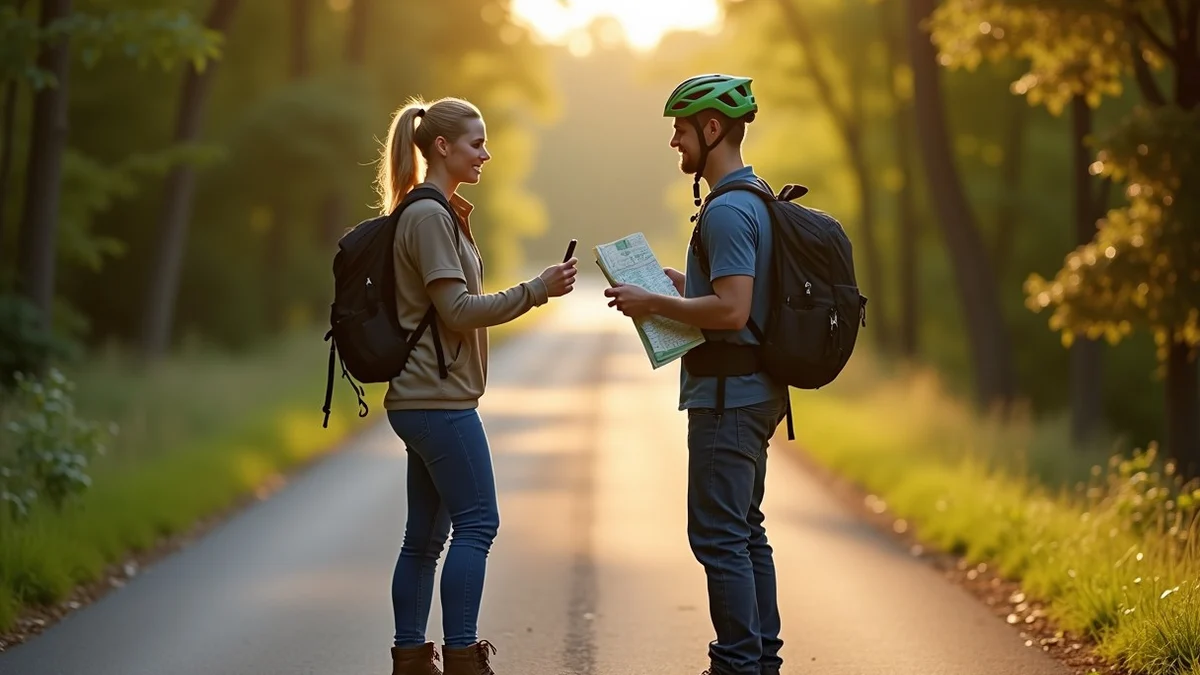
Shared trail photos don’t reveal whether someone hikes every weekend, prefers paved greenways, or expects a partner to climb with them. Outdoor Duo and OutdoorSingles suit people who want outdoor recreation foregrounded; Hinge and Bumble offer a broader pool when you state your routine plainly. Pick the service whose current profiles, radius, and filters match the life you actually lead.
Published by Modern Connection
Nature compatibility involves habits as well as favorite scenery
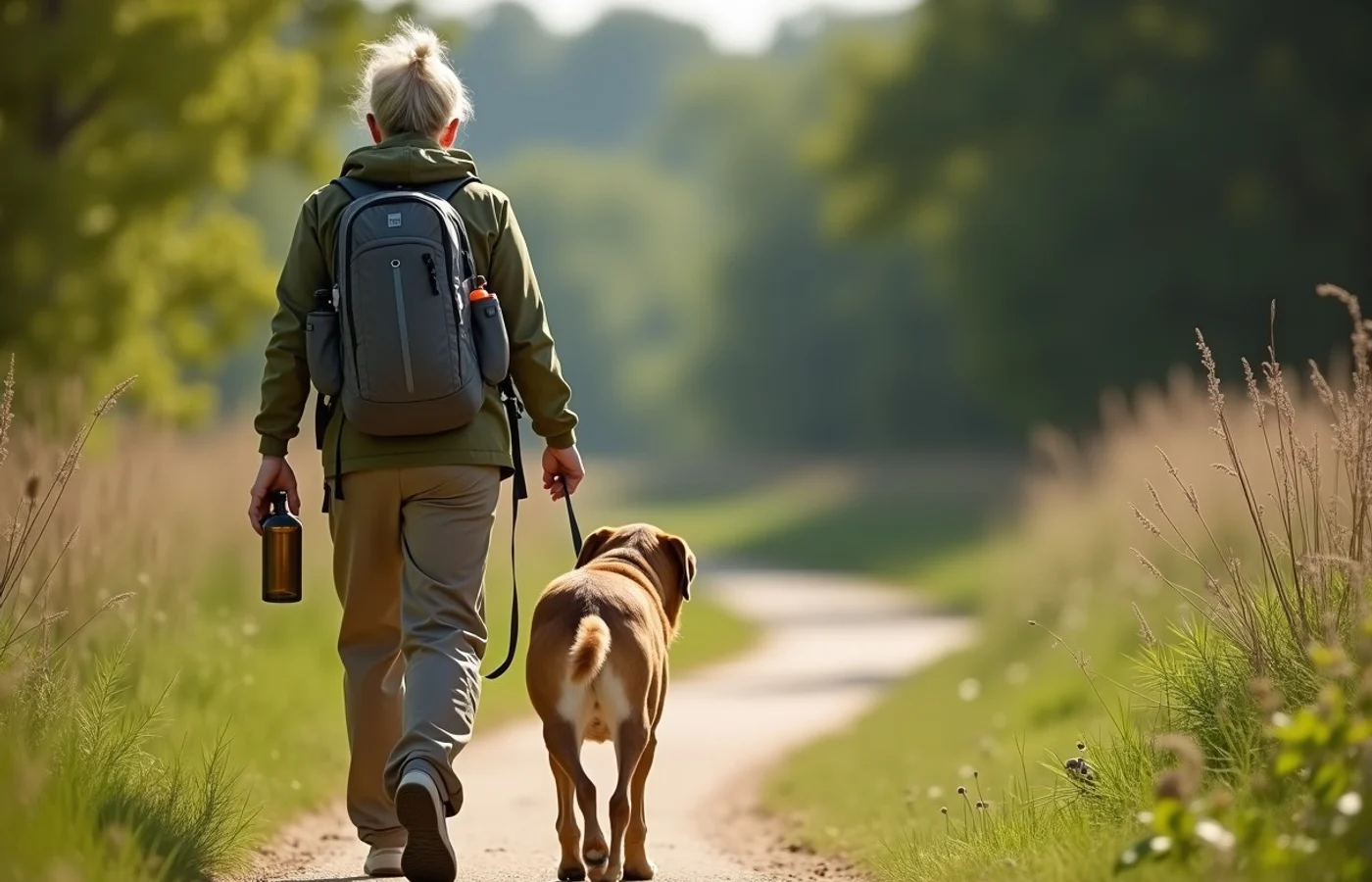
For nature lovers, an outdoor-focused service such as Outdoor Duo or OutdoorSingles works best when profiles show how nature fits into someone’s week. “Likes hiking” says very little. Someone who walks a nearby greenway before work, volunteers for a watershed cleanup, and takes a few cabin weekends each year is describing their life. The same goes for someone whose outdoor time includes birdwatching, tending native plants, visiting beaches, or taking a dog to a local park. Those details show preferred settings, how often they go out, and whether outdoor time is central to dating or simply a pleasant option.
Conservation values belong in that picture because they shape everyday choices. A profile that mentions public-land stewardship, trail etiquette, reducing waste on outings, or choosing pet-friendly routes signals more than a scenic backdrop. It points to the kind of places a person wants to spend time and the conduct they expect there. Matching on mountains or sunsets without this context often produces a thin connection: one person imagines frequent weekends outside, while the other means a vacation photo from three years ago. Look for profiles that connect an activity to a routine, a place, or a value. That is the information that separates shared scenery from a shared lifestyle.
What activity labels conceal about pace and experience
A Saturday walker and a person training for a steep, all-day climb may both select “hiking,” yet the shared label says almost nothing about whether an outing would be enjoyable. Look for the details that set the pace: miles or hours, elevation, terrain, early starts, and whether the person wants company on every outing or simply appreciates a partner who has their own outdoor routine.
Technical gaps deserve a plain answer before plans take shape. Someone who climbs at a gym once a month needn’t match an experienced climber’s route or risk tolerance; a compatible match may mean joining for easy trails and cheering on the more demanding pursuits from elsewhere. The same divide appears with cycling, paddling, skiing, and trail running. Interest is a starting point. Pace, skill, intensity, and the expected role of a date determine whether that interest belongs in the relationship or only alongside it.
When distance determines whether a shared interest is practical
Distance shapes outdoor dating more sharply than a shared interest badge suggests. Set a radius that reaches the parks, greenways, climbing gyms, waterfronts, or trail systems you genuinely use after work or on a free weekend—not merely a large circle of profiles. A match 45 miles away may suit someone who happily drives for a Saturday hike; it is a poor fit for a person whose outdoor life means a neighborhood walk twice a week. Read location alongside the activity itself: proximity to the same river corridor or regional park matters more than being in the same metro area.
Use the app’s distance setting as a filter for routines, then address travel early when an outing would require a long drive. A wider search is justified when nearby profiles are thin or when both people already travel for recreation. It is not justified by a vague hope that one person will absorb the commute. A shared trailhead within reach turns an interest into something two people can actually do.
Evidence of a real local outdoor community
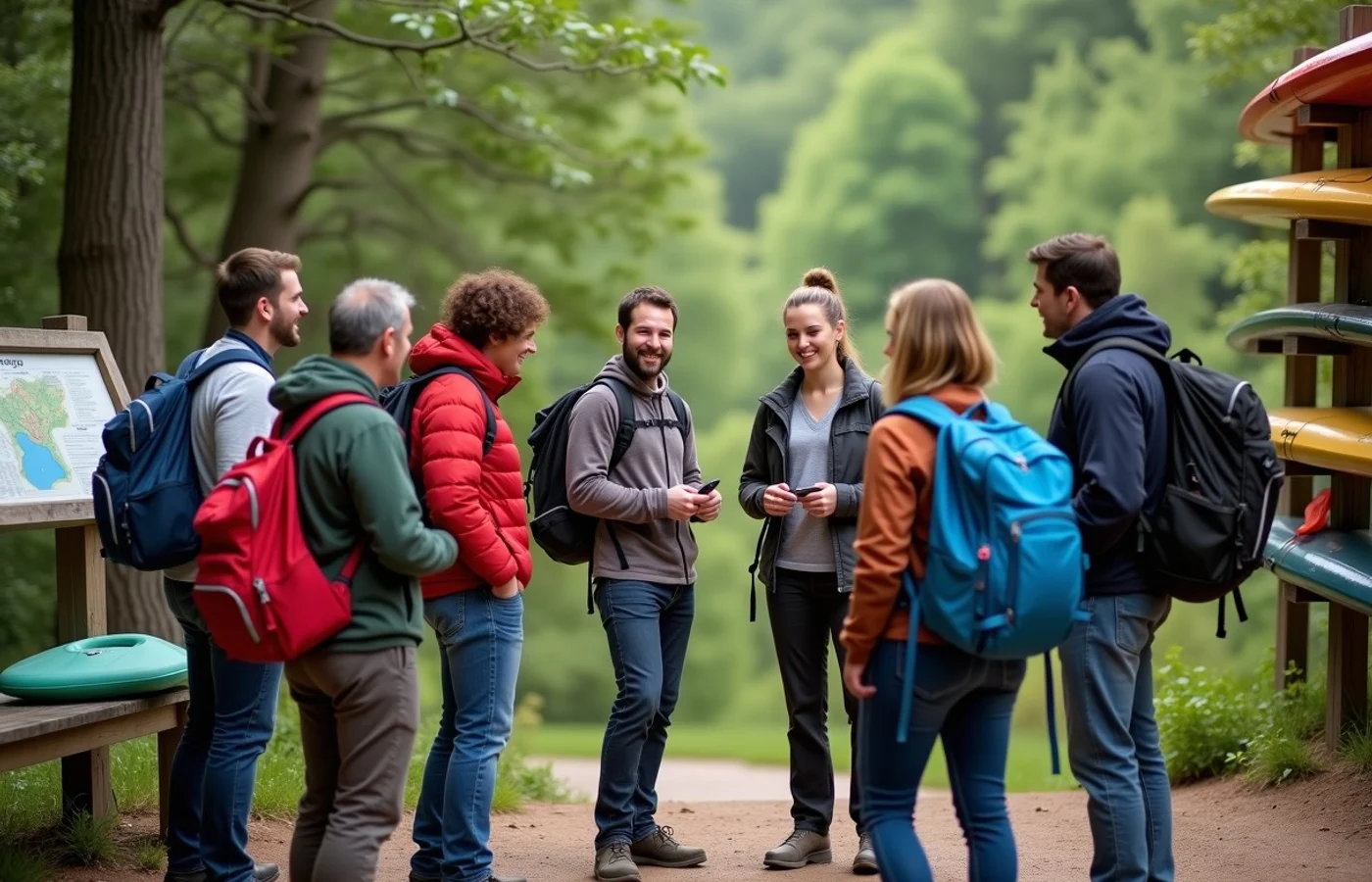
Outdoor Duo and OutdoorSingles present themselves as services for outdoor-minded singles, but the niche label alone says little about the people near you. A promising local pool shows up in full biographies that mention nearby trail systems, paddling spots, climbing gyms, volunteer cleanups, running clubs, or seasonal outings—not a row of generic mountain photos. Recent profiles with grounded regional references deserve more attention than accounts whose only outdoor detail is “adventure.”
paragraphs?
Describe your outdoor life with enough detail to invite a match
A profile earns better replies when it names the outing, the rhythm, and the setting. “Outdoorsy” leaves too much blank space; say that you take a two-hour woodland walk most Sunday mornings, paddle calm water a few times each summer, or spend spring weekends on easy bike paths. Add your actual level without apology: a beginner climber, a comfortable day hiker, or someone who prefers birdwatching to a summit. A photo should support that description, not carry the entire claim.
Include the part of outdoor life that affects daily choices: leaving a campsite clean, bringing a dog on neighborhood trails, choosing local parks over crowded bars, or protecting weekends for time outside. Finish with one approachable shared activity, such as a botanical garden visit or a walk through a busy lakeside park. That invitation filters for someone who wants to join your life, not merely admire your mountain photo.
A specialized outdoor community or a broader dating pool
Outdoor Duo and OutdoorSingles put outdoor recreation at the center of the dating context. That saves profile space and raises the odds that a match understands why a free Saturday might mean a trail, climbing gym, or campsite. The cost is reach: a niche service can feel thin once you narrow by age, relationship goal, and distance. Check the profiles in your own search area before investing much time in either one.
Hinge and Bumble offer a broader pool, often making them a better choice outside a major metro area or when outdoor life is only one part of compatibility. Their larger audiences require more hands-on filtering: use prompts, photos, and early profile details to tell apart someone who likes scenic vacations and someone who spends most weekends outside. The app label alone does not settle the choice. Pick an outdoor-focused app if nearby profiles include the activities you actually do; choose Hinge or Bumble if a wider local pool is more useful than an immediate shared hobby.
Run both routes briefly only if you can give each a distinct purpose: the niche service for immediate activity overlap, the mainstream app for a wider relationship pool. Drop the one that produces vague biographies or matches whose outdoor interest ends at a profile photo.
A low-pressure outdoor meeting stays public and easy to end
For a first meeting, save the remote trail, long paddle, and overnight campsite for later. Meet at a busy botanical garden, a well-used lakeside path, a farmers’ market with outdoor seating, or a park café. Pick a short route with other people nearby and a natural finish point: one loop, a coffee, or 45 minutes before another commitment. A strenuous hike turns early dating into an endurance test and leaves either person stranded if the conversation falls flat.
Drive yourself or use your own transportation, tell a trusted person where you’ll be, and avoid meeting after dark in a secluded area. Agree on the activity and end time before leaving home. If rain arrives, the trail is unexpectedly empty, or either person feels uneasy, move to a nearby public café or end the date. Someone worth seeing again won’t make a fuss about a changed plan.
This format also reveals more than a dramatic adventure does. You’ll see whether they arrive on time, match the pace they described, and share space comfortably without requiring you to perform outdoor expertise. Leave the summit attempt for a date that has earned it.
Write the profile around actual weekends: the park or trail type, how often you go, your comfort level, whether a dog joins you, and the conservation choices that matter at home. Read matches for the same details. A first meeting belongs on a busy path, garden, or waterfront walk with separate transportation, a short time window, and a café backup. Verify each app’s live membership and tools before paying. The right choice supports a shared routine, not a decorative mountain photo.