
A Christian label narrows the search, but it says little about how an app handles a troubling profile or a pressured conversation. For Christian singles in Henderson, a safer dating app has current, visible rules for verification, privacy, blocking, and reporting alongside faith and relationship-intention settings. Upward and Christian Mingle center Christian dating, while Hinge and Bumble require more screening through profiles and conversation. No dating service eliminates risk.
Published by Modern Connection
Before creating an account, verify what the platform currently provides
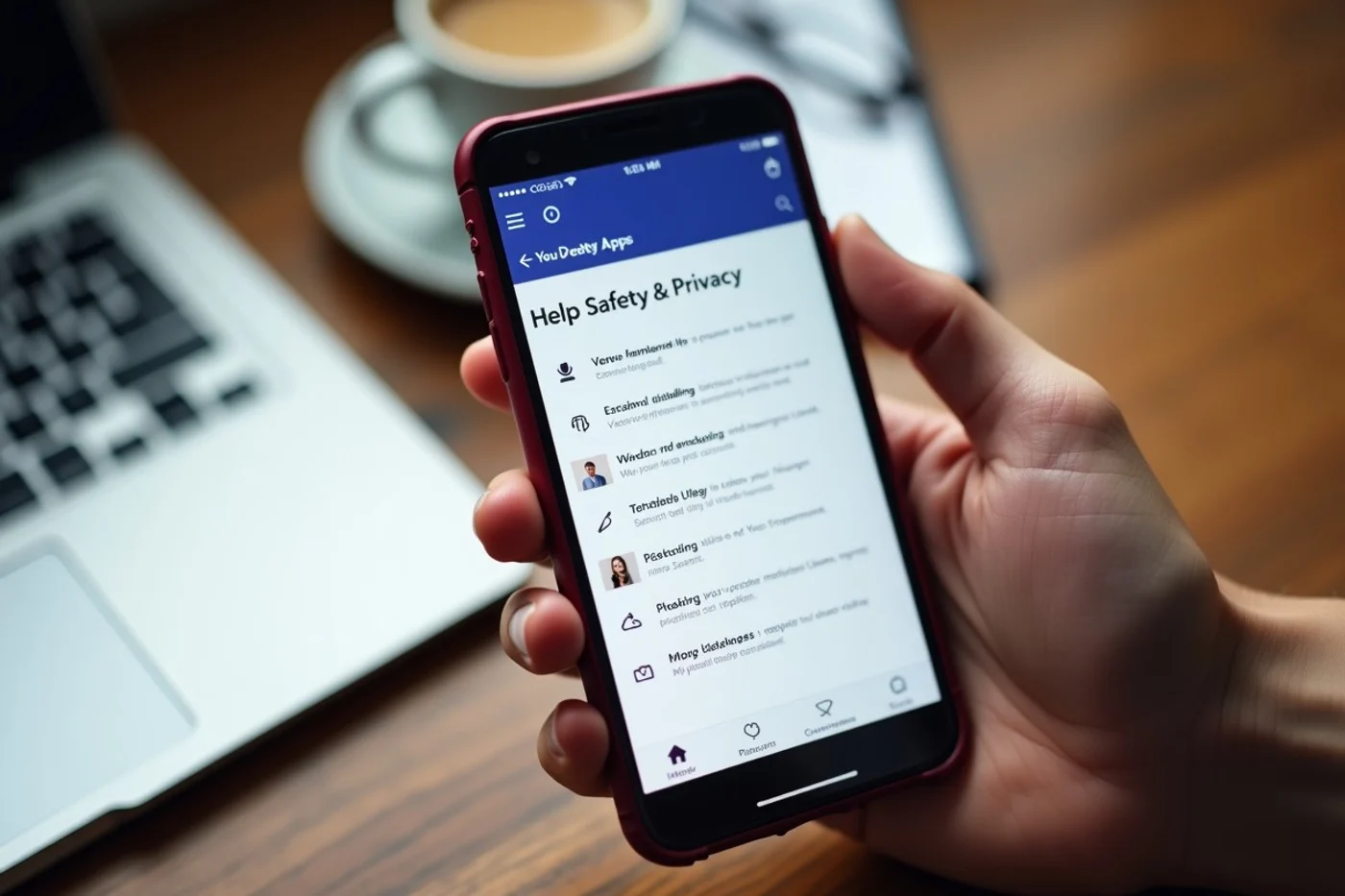
The official Help, Safety, and Privacy pages are the place to confirm what a service currently offers. Look for its account-verification description, location and photo visibility controls, blocking route, reporting categories, and directions about preserving messages. Promotional language is a poor substitute for these details.
For Upward, Christian Mingle, Hinge, or Bumble, feature availability may differ by account, device, or policy version. Read the current terms on who sees your location, whether a report can be filed from a profile and a chat, and what information the service asks you to retain after an incident. An app's safety tools matter most when their limits are visible before contact begins.
Faith filters, denomination fields, and intention settings
Upward and Christian Mingle are positioned around Christian dating, so their faith focus deserves weight in the comparison. A service merits closer attention when its current search and profile settings let people name Christian affiliation, denomination, worship practice, and relationship or marriage intentions. Those details screen out some obvious mismatches before a conversation begins.
Broad apps such as Hinge and Bumble put more of that work into a profile and early exchange. For someone in Henderson who expects to meet near Water Street District, a faith label is only the first screen; the local results also need to include people within a workable distance who state compatible intentions. A denomination field cannot settle how someone lives their faith, what church involvement means to them, or what they expect from a relationship.
Verification can add friction for impersonators without proving trustworthiness
A badge records that an account completed the platform's own verification process. That process may involve a selfie, a document, an image comparison, or another check, depending on the service. The official explanation tells you what the badge covers, whether a verified photo remains required, and whether the check is available to every Henderson account. Read that wording as a description of a platform procedure, with no wider meaning added.
Character, beliefs, relationship status, and future conduct sit outside that procedure. A verified account may still use a stale photo, exaggerate church involvement, or press for personal access too quickly. Consider a hypothetical match whose verified profile says he attends church weekly but refuses basic questions and insists on a private address for a first meeting. The badge doesn't alter that decision. Its value is modest but real: it places an extra hurdle before an impersonator reaches your inbox. Keep the badge alongside the app's reporting route and the person's conduct in conversation.
What early off-app pressure can indicate

An immediate request to leave the app removes a record that the platform can review and shifts contact into a space with fewer built-in controls. Remaining in the app until identity details and relationship intentions line up preserves the chat history and leaves blocking and reporting within reach.
The concern becomes sharper when the request comes with pressure to share intimate material, disclose financial information, send money, or accept a rushed private meeting. Federal Trade Commission guidance on romance scams is especially relevant once money enters the conversation. A money request warrants an in-app report and an end to contact; no debate is required.
A large match pool is less useful than an active local faith-aligned pool
- Comparison Factor: Faith and relationship intentions Stronger Finding: Christian affiliation, denomination or practice fields, plus dating, relationship, or marriage-intention fields that match what you state. Decision Effect: Filters remove obvious mismatches, though labels still need conversation behind them.
- Comparison Factor: Henderson reach Stronger Finding: Recent, responsive profiles within a distance you would willingly travel from Henderson for a repeat date. Decision Effect: A wide Las Vegas Valley search looks larger on screen and can add long drives that neither person wants.
- Comparison Factor: How people use the app Stronger Finding: Profiles answer faith and relationship prompts with enough detail to support a normal first exchange. Decision Effect: A smaller local group with engaged users is a better prospect than a larger list of vague or dormant accounts.
Reporting tests reveal whether controls are usable when needed
A report button matters only when a user can find it under pressure. Before investing time in a profile, open the official Help or Safety material and locate the route from both a profile and a message to block and report. Note whether the service tells users to retain screenshots, messages, or payment records, how support is reached, and what it says about follow-up.
When instructions are buried behind generic menus or the service gives no account of what a report includes, that is a weakness in the product. An app that places block and report controls within reach lets you end contact while preserving the account record for review.
Confirm the plan before meeting someone in person
A meeting plan that changes on the day is a reason to pause, particularly when the proposed replacement is a home, hotel, remote parking area, or an isolated part of Cornerstone Park. Before an in-person date in Henderson, the profile name, photos, and facts shared in chat should line up with a brief in-app video check when the service offers one. An initial daytime meeting in an established public setting around Water Street District or near Paseo Verde Library gives each person a defined place to arrive, while independent transportation leaves each person free to leave. A trusted contact needs the match's profile name, the venue, the time, and the expected finish. Cancellation remains appropriate when identity details shift, the meeting place changes to somewhere private, or a date resists this arrangement. Interest never requires acceptance of a plan that removes your exit.
For Henderson Christians, the safer app is not the one with the loudest faith branding. It is the service whose present rules let you screen for shared beliefs, retain control of contact, and report a problem without hunting through menus. Add a public first meeting and independent travel. That is a sound basis for choosing.
References
- Federal Trade Commission — official information — Federal Trade Commission
- Federal Trade Commission — official information — Federal Trade Commission
- Christian Mingle — official information — Christian Mingle
- Upward — official information — Upward
- Hinge — official information — Hinge
- Bumble — official information — Bumble