
Dating gets clumsy when a broad identity label does all the talking. To meet Asian singles in Richmond, use a focused dating-app radius alongside recurring community and interest settings where shared activities give people a reason to talk. Let cultural preferences surface as part of compatibility, not as a shortcut to deciding who someone is.
Published by Modern Connection
Richmond Offers Several Paths to Repeated, Organic Contact
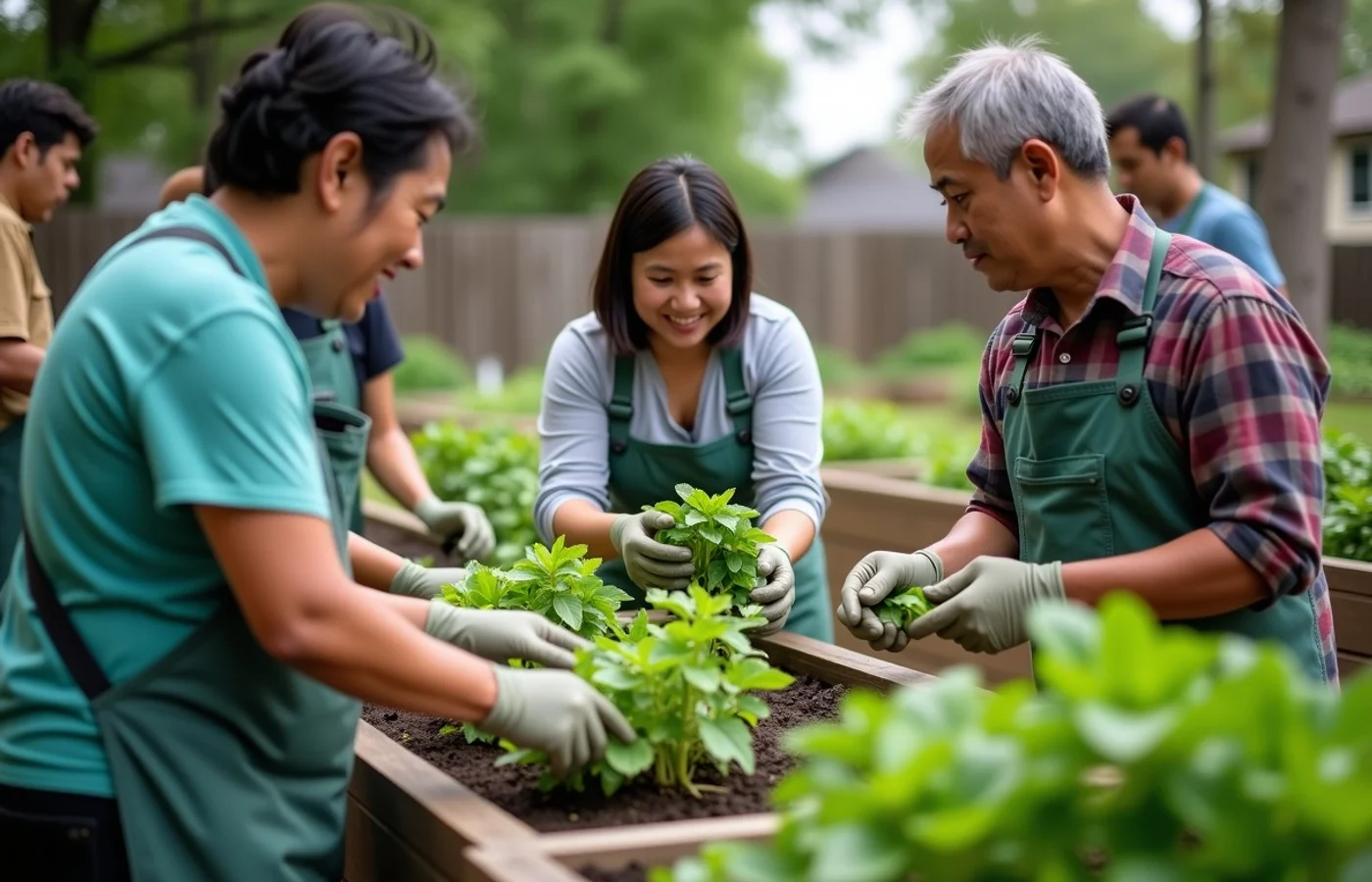
Richmond offers more than one supposed Asian dating scene. Apps create a direct local search, while cultural organizations, professional gatherings, volunteer projects, festivals, and recurring hobby groups put people in the same room more than once. Set an app radius around the parts of Richmond you would actually travel to, then give one recurring activity real attention. A one-off festival shows you what is happening; a monthly volunteer shift, committee, or interest group is where names and conversations begin to stick.
Which Dating Settings Match Your Cultural and Relationship Priorities?
Different settings solve different problems. Dating apps put relationship intent near the front, which saves time when you are looking for a committed partner or want to name cultural connection in a profile. Set the radius around Richmond and nearby areas you would genuinely meet in, such as Henrico or Chesterfield. A broad statewide setting creates appealing profiles that quickly become travel negotiations.
Community events offer shared context, but they are not a dating mixer simply because Asian attendees are present. Attend because the organization, festival, faith community, or cause matters to you. That keeps your presence grounded and avoids the awkward feeling that you arrived to scan the room. Recurring professional groups and volunteer projects also work well for people who prefer conversation to grow around an actual task.
Introductions work best when friends know what you are seeking: a serious relationship, a particular faith tradition, a partner who values close family ties, or simply someone open to discussing those subjects. General-interest groups, from outdoor activities to arts events, are less direct but reveal how someone spends a Tuesday evening. Choose the setting that matches the part of compatibility you need to learn first.
When Culture or Family Expectations Come Up Early

Leaving cultural subjects vague avoids an uncomfortable moment, yet it also postpones matters that shape a relationship: family involvement, religion, language at home, holiday traditions, food, and plans for marriage or children. Bring these up as life preferences once a conversation turns toward routines or the future, not as an identity quiz. A discussion of weekend obligations, faith, family gatherings, or long-term plans says far more than an ethnic label.
Asian identity includes East, Southeast, South, and Central Asian backgrounds, along with many national, regional, religious, and mixed-heritage experiences. Family closeness does not tell you how much input relatives have in dating decisions. Speaking a heritage language does not establish which language it is, whether someone uses it daily, or whether they want to discuss it with a new date. Religion and tradition deserve the same individual treatment.
Direct answers are valuable information. Someone who wants regular family involvement, shared religious practice, or a partner comfortable with certain traditions has named a compatibility issue early. Someone who prefers more separation from family has done the same. Neither answer needs defending, and neither should be projected onto anyone else.
Respectful Openers Without Ethnic Assumptions
An opener needs a detail the other person chose to share. Use a profile interest, a photo from a local activity, a book, a sport, or a stated relationship priority. At a Richmond volunteer event or recurring group, refer to the project, speaker, or shared activity that brought you there. Specificity takes a little more attention, but it gives the conversation a real subject.
Skip ancestry guesses, comments that frame someone as exotic, assumptions about language, and early questions about parents or family approval. Those remarks force a stranger to explain an identity before you have shown interest in their actual life. Cultural background may become part of the conversation later; it should not be the entire opening move.
A wider search produces more profiles, while a smaller Richmond routine produces more encounters that fit the life you actually lead. Cultural common ground is worth naming when it matters, but it has to come from the individual in front of you. Categories may point toward a community; they cannot supply compatibility.