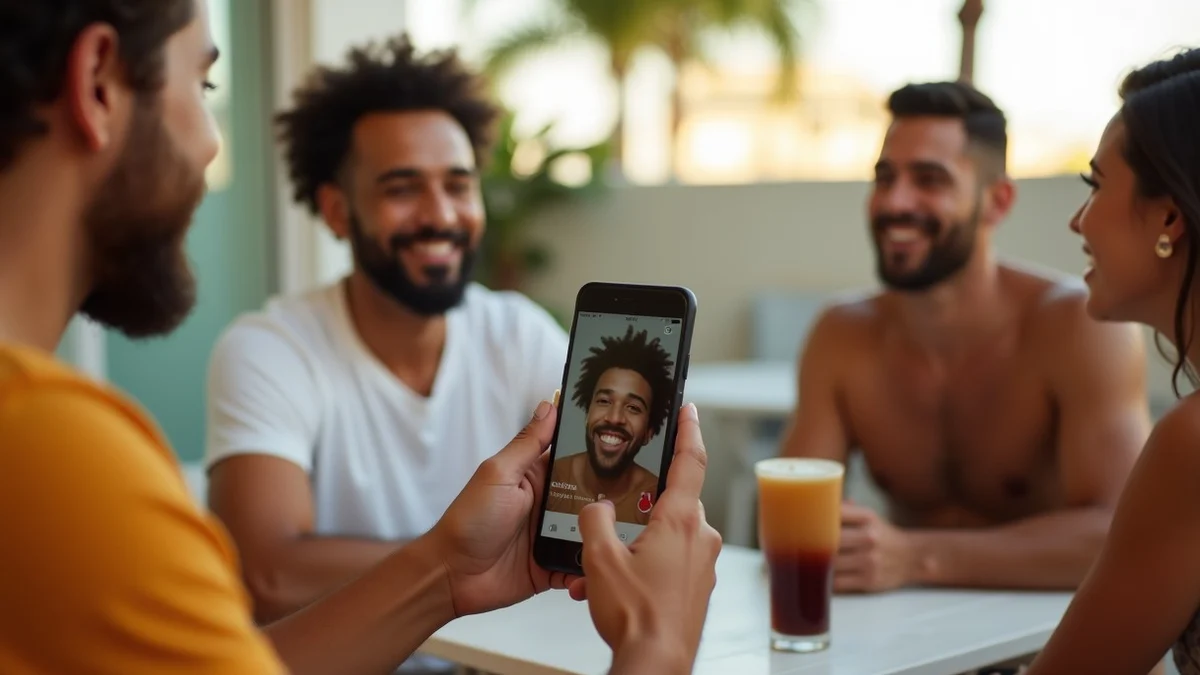
Miami’s size and fragmented social map punish an all-app approach. For local LGBTQ singles dating in Miami, an inclusive app plus one recurring community activity offers the soundest route to compatible people across Miami-Dade. The app narrows identity, visibility, language, intention, and travel fit; a returning group supplies the familiarity that a swipe rarely creates.
Published by Modern Connection
Miami offers more than one route into LGBTQ dating communities
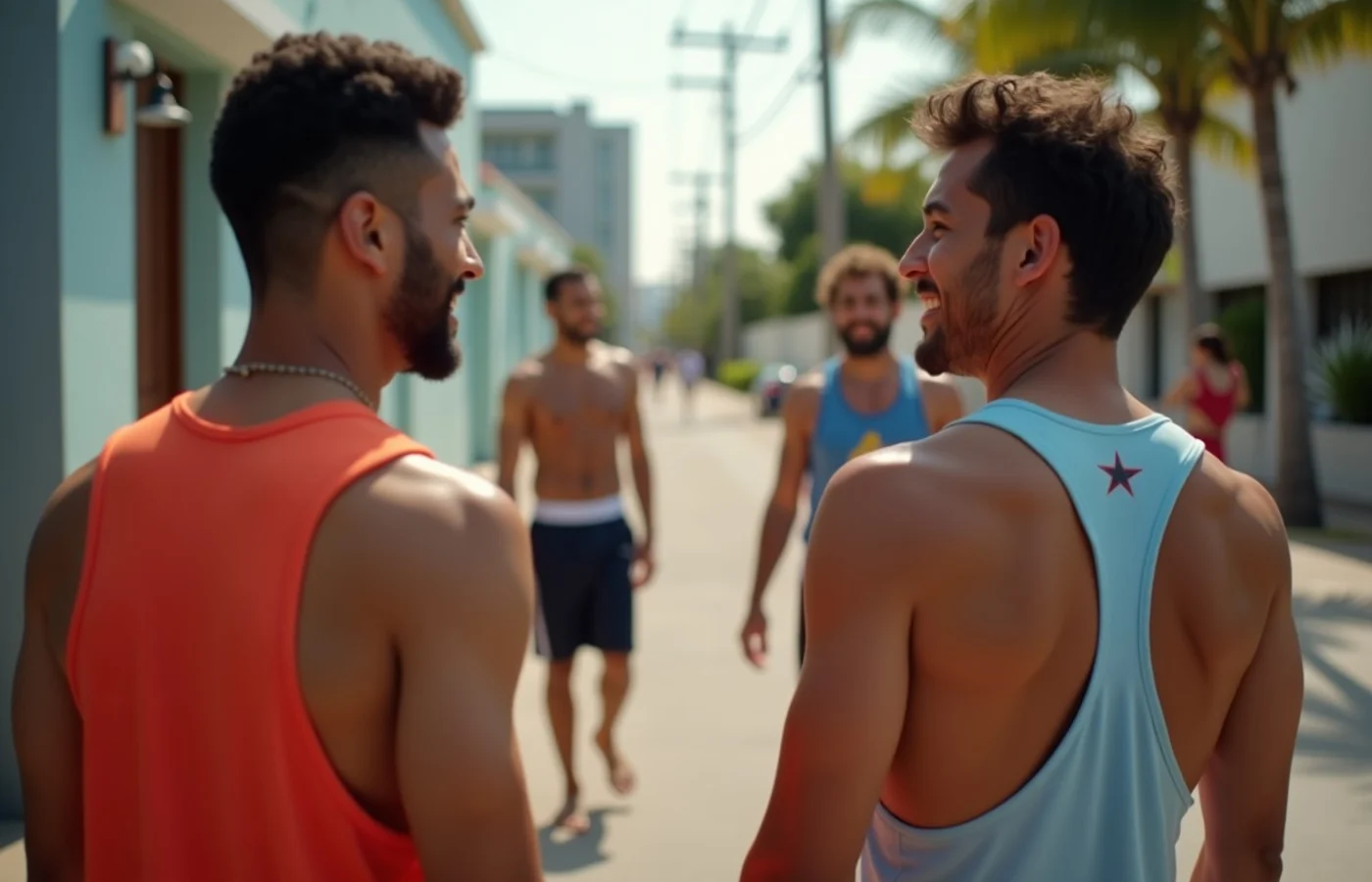
Dating apps widen the field, especially when their filters recognize gender, orientation, and relationship intentions. Within Miami-Dade, that digital reach works best as one channel in a larger social life, not the entire plan.
Pair the app with an activity where people return: a community organization’s program, a queer sports league, a professional gathering, a cultural series, or a hobby group. Each route attracts a different kind of conversation. Professional and volunteer spaces foreground shared work; sports and arts groups give people a shared subject before romance enters the picture. Apps create reach. Return visits create familiarity, and a single party rarely supplies enough time for a fuller conversation.
Signals that a local event supports respectful participation
An event deserves attention when its listing identifies the host, intended audience, and form of participation. A calendar with a continuing history, named facilitators or community partners, and a visible conduct policy carries more weight than a vague flyer built around networking or singles. Activities tied to a community group, cultural program, sports team, or professional network also have a public purpose beyond drawing a crowd.
Format matters as much as branding. Volunteer shifts, classes, discussion groups, practices, and committee work give attendees a shared task and a reason to return. Events that conceal the organizer, omit an audience description, or turn every exchange into a sales pitch are poor choices. In Miami, the stronger local channel is usually one you would enjoy even after taking dating out of the equation.
When matches live on opposite sides of Miami-Dade
Miami-Dade distance filters are commitments, not decoration. A broad radius reaches people near Brickell, Kendall, Miami Beach, North Miami, and Doral, yet maps conceal the trip after work, a bridge crossing, and the route home. The radius should reflect the areas that fit a weekday coffee, an evening event, and a weekend plan. A work area belongs in it only when meeting there fits your life beyond a convenient map pin. Distance deserves an early sentence in conversation because meeting frequency follows geography. Someone near your office may be easier to see during the week than a closer person whose schedule points elsewhere. Transit access deserves the same test as driving: will that route still feel reasonable after a long day? A profile that names the parts of Miami-Dade where you spend time, alongside the number of in-person meetings that fits your week, prevents a lot of false momentum. A narrower setting produces fewer profiles and more dates that survive Tuesday traffic.
Identity fields, pronouns, and profile visibility controls

Identity fields work best when they describe you on your terms, without inviting strangers to demand an explanation. Your displayed gender, orientation, and pronouns should reflect what feels right; leaving optional fields blank is appropriate when they feel too exposing. Audience filters should point toward people you are open to dating. Contact discovery belongs off when anonymity matters, while a neighborhood-level location or broader Miami-Dade label provides enough context without advertising an exact address. A profile needn’t disclose an employer, street-level location, or every identity detail to show who belongs in your inbox.
State your relationship intentions and language preferences clearly
Relationship labels stop wasted browsing when they appear before the first date. The app’s intention field should carry long-term, casual, monogamous, nonmonogamous, or exploratory when that option exists, and the bio should reinforce the same direction in plain language. A person seeking a committed partnership should not bury that fact beneath lifestyle detail. Someone exploring dating, or open to nonmonogamy, owes the same early candor. People then know what kind of connection the profile invites.
Miami’s English-Spanish mix belongs in the profile as well. English, Spanish, bilingual conversation, or a preferred language for early dates all belong alongside relationship intentions. Language preference covers more than fluency: it shapes jokes, family references, and how easily a conversation moves once topics turn personal. Where language comfort changes from texting to face-to-face conversation, that belongs in the profile too. The detail steers early plans toward settings where neither person is translating every thought.
Nightlife energy or repeat-contact community activities
Nightlife delivers quick exposure and a social charge, especially for people who enjoy approaching strangers in a loud, fast-moving room. It also compresses the interaction: a strong exchange has little time to become a fuller conversation before the night breaks apart.
A weekly team practice, arts program, volunteer group, or queer professional gathering moves more slowly and leaves space for names, shared references, and a second meeting already on the calendar. The scene that fits best reflects how you like to talk. For many Miami daters, one occasional night out plus one recurring activity is a stronger mix than relying on either alone.
Consistent participation turns local familiarity into real connection
A two-channel routine fits Miami-Dade best when it uses places already on your route: one app checked at a fixed time each week and one recurring in-person activity close enough to attend without resenting the commute. A queer book discussion in a familiar area, a sports practice near work, or a community program on a weekend all work when the return visit already has a place in your calendar. Consistency changes the social math. Faces become familiar, conversations resume naturally, and people learn what matters to you through participation.
Familiarity is an opening, never an entitlement to attention. After a good conversation, follow up through the group’s permitted channel or an app, refer to the shared activity, and suggest a simple follow-up only when it fits the exchange. Some contacts will remain social, professional, or friendly; they still strengthen your local circle and keep the activity from feeling like an audition. Several appearances give a channel a fair test. The two places worth retaining are those where you enjoy showing up and meet people whose lives overlap with yours.
Miami dating gains traction when your settings reflect where you spend time and your social life includes a place worth returning to. Connections aligned with your language, intentions, and route across the county are far more likely to become part of the week.