
A free label often hides the part that determines whether an app is worth your time: the ability to have a real conversation. Facebook Dating merits an early look because Meta describes it as free. Compare it with Chapter 2, an app for widowed people, then check Bumble and Hinge for current messaging access, age and relationship-intent filters, and tools for blocking or reporting unwanted contact before building out a profile.
Published by Modern Connection
When you want an app that respects a gradual return to dating

The first choice is the setting: a dating space built around widowhood, or a broader app where widowhood is one part of your story. Chapter 2 is aimed at widowed people, which puts that life experience closer to the center of the experience. Hinge and Bumble bring a wider mix of daters. That broader pool suits someone who prefers not to have bereavement shape every introduction; a widow-focused app suits someone who wants fewer explanations about why dating feels different now.
Choose the pace before choosing the profile. Someone open to meeting for coffee but not ready to label a new relationship needs profiles that signal patience and an intention that matches it. Someone seeking a committed partnership should give more weight to an app’s relationship-intent options and the age range they want to meet. Check those settings before spending time on photos and prompts. An age preference that reaches too far beyond your comfort zone, or an intention field that forces a vague answer, produces conversations you’ll have to untangle later.
Widowhood disclosure belongs on your timetable. Mention it early when it will screen for understanding; leave it out of the profile when you’d rather discuss it after a conversation has earned that detail. Neither choice requires an apology. The app worth using is the one that lets your profile describe the present—your interests, availability, and hopes—without turning your late spouse into the headline.
Free access often comes with messaging and visibility limits
“Free” needs a narrower test than a no-cost download. Facebook Dating is described by Meta as free, so it deserves an early look from anyone who wants to create a profile, find matches, and communicate without meeting a paywall at the first exchange. That is a stronger starting point than a freemium app whose free tier leaves a conversation half-open or hides the people who expressed interest.
Bumble and Hinge warrant a different check at signup: complete the profile, set the age and relationship preferences you need, then see what happens after a few matches. A paid prompt to reveal every admirer is an optional convenience. A prompt that blocks replies, restricts the filters that matter to you, or sharply limits likes changes the value of the free tier. Chapter 2 merits the same scrutiny; its focus on widowed daters is relevant, but confirm its current message access and paid features inside the app before committing time.
Treat an upgrade as worth considering only when it removes a barrier you have already hit, such as running out of likes while finding promising profiles or needing a filter available only with payment. Paying to satisfy curiosity about a hidden likes list is usually a weaker reason.
An active, relevant match pool matters more than a large registration count
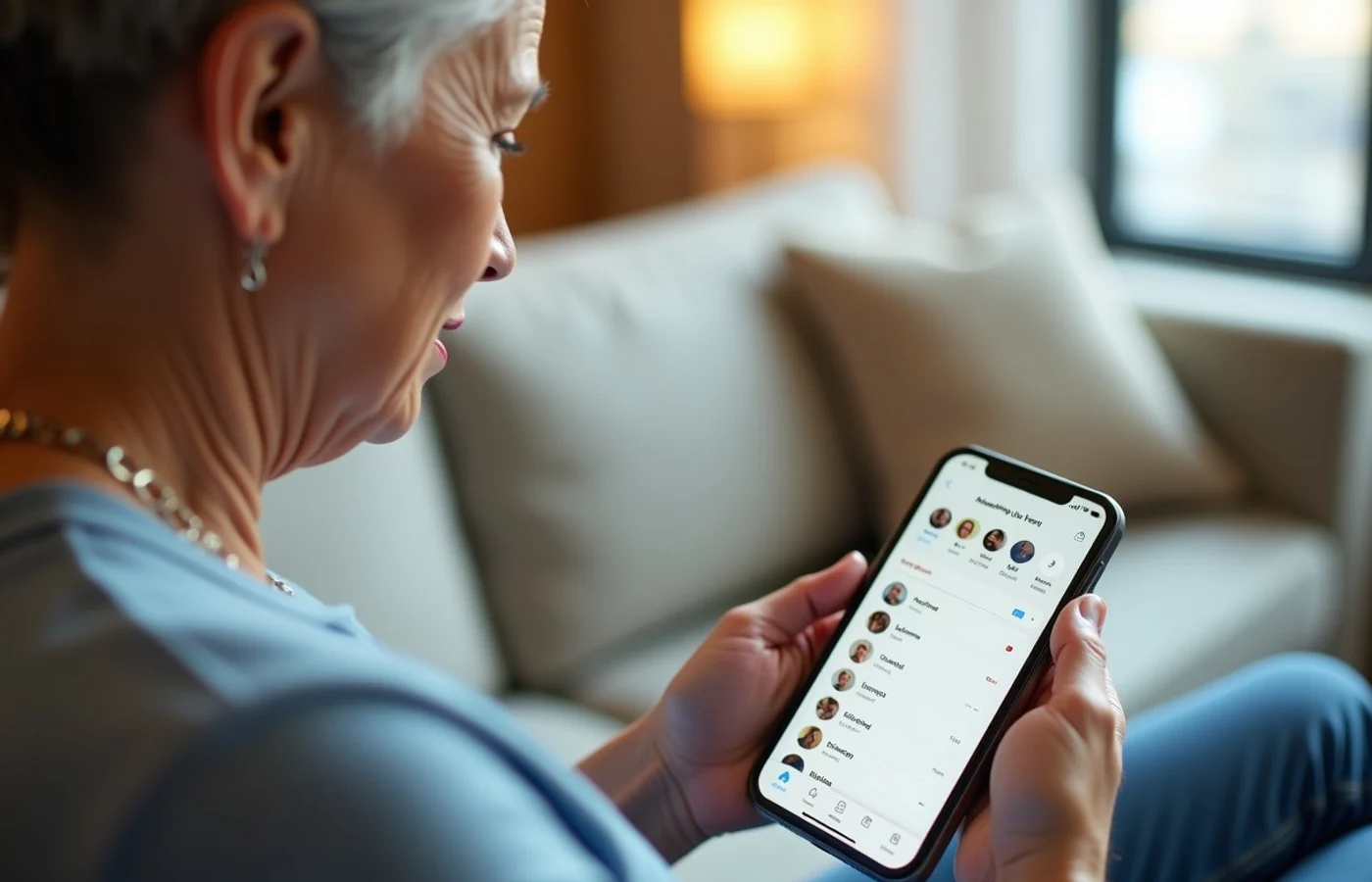
A long list of profiles means little when few people are present, available, or open to the kind of conversation you want. Give each app a brief first-session test: set your age range and location, read enough profiles to see who identifies as widowed or speaks thoughtfully about a later-life relationship, and note whether the profiles look current and complete. Chapter 2 deserves this check because it is built for widowed people; Facebook Dating, Bumble, and Hinge provide broader pools where widowhood is one part of a profile, not the organizing principle. A smaller group of engaged people beats pages of abandoned accounts.
Before sharing much, open the privacy and safety areas of every app under consideration. Find the block and report controls, see what report categories are offered, and read what the company says about reviewing reports and enforcing its rules. Check what profile information is visible to strangers, whether your location appears with more precision than you want, and how account or profile removal works. An app that makes those answers hard to find has already created an unnecessary problem.
Which free-app model best supports the way you want to date?
Put Facebook Dating at the top of the first shortlist when a no-cost service is non-negotiable: Meta describes Facebook Dating as free. Then compare it with Bumble and Hinge as broad-audience options, and with Chapter 2 when dating alongside other widowed people matters most. Chapter 2 speaks directly to that life experience; its current access terms deserve a check before it is treated as a free choice. A widow-focused name alone doesn’t settle the decision, and a large mainstream app is a poor fit when its filters or conversation rules block the type of dating you came for.
Use a five-part pass/fail test before giving an app more time: free communication that lets a promising match progress; people in your age range who state a compatible relationship intention; filters that narrow the feed without an immediate upgrade; block and report controls you can locate; and paid prompts you would tolerate if you never subscribed. An app that misses one of the first four belongs off the shortlist. Paid extras are acceptable when they add convenience, such as more visibility or extra sorting, but not when they lock the basic act of getting acquainted behind a recurring charge.
Questions that often come up
Do I need to say that I’m widowed in my profile?
No. Include it when it describes your life without becoming the whole introduction. A brief line such as “Widowed, and interested in a lasting relationship” sets context. Details about your spouse, timeline, or family belong in conversation once trust has begun.
What should I leave out of dating-app photos?
Skip images that reveal your home address, license plate, workplace badge, grandchildren’s faces, or a location you visit every day. A dating profile should show your face and interests, not map your household or routine.
When is a paid upgrade worth considering?
Only after the free version has produced people you’d actually like to contact and a paywall blocks the one feature you need, such as seeing likes or applying an age or intention filter. Paying to revive an inactive inbox is money wasted.
Is a widow-focused app automatically the better choice?
No. Chapter 2 speaks directly to widowed daters, which may make disclosure feel less loaded. Facebook Dating, Bumble, and Hinge offer broader pools. Choose the place where you find active people whose relationship intentions, age range, and conversation style fit what you’re seeking.
Put usable communication ahead of a long list of profiles. An app earns a place on your shortlist when free access lets you connect with people you would actually consider meeting, its filters fit your age range and relationship intentions, and its privacy controls are easy to find. Chapter 2 speaks directly to widowhood; Facebook Dating has a stated free offering. For Bumble and Hinge, confirm the current free-tier limits inside the app before investing time.
Where the factual details come from
- Meta — official information — Meta
- Bumble — official information — Bumble
- Hinge — official information — Hinge
- Chapter 2 — official information — Chapter 2