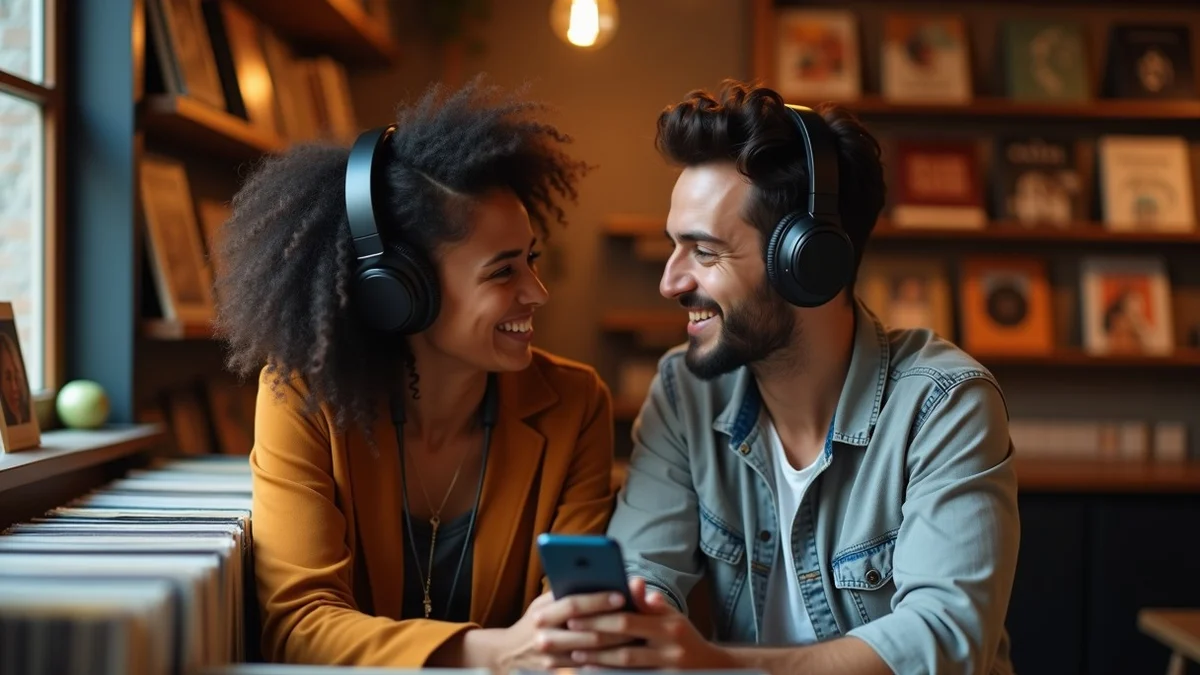
A music-first app with no nearby profiles is a dead end, however elegant its matching idea. For most people, the best dating app for music lovers is the one where music opens the door and complete local profiles answer the bigger questions about dating. Tastebuds, Turn Up, and Vinylly deserve a look because each centers music in discovery; pick the one whose nearby members also describe the relationship and routine you share.
Published by Modern Connection
How much should musical taste influence matching?

Music deserves a required filter when it governs how you spend time and whom you want beside you: a touring musician, someone at shows twice a week, or a fan rooted in a particular scene. In that situation, music-first discovery on Tastebuds, Turn Up, or Vinylly earns a prominent place in the search. Each puts music near the center of connection, so the premise fits.
Most readers should give music a different job. Use it to find an opening and a shared setting, then weigh relationship intent, children, work hours, social life, travel, and how often each person goes out. Two people who love the same band can still have incompatible weekends. Two people with different playlists often enjoy the same kind of night: a small venue, an early show, then a quiet ride home.
Prompts and media features make musical taste easier to express
Music-first apps deserve scrutiny at the profile level. A favorite-artist field sorts fast but reduces a person to a list. A prompt about the album they return to after a bad day says more about taste, temperament, and context. Audio or video clips add voice and presence; they also reward performance, which puts off people who prefer a written profile.
Playlists and streaming links deliver breadth, but a long listening history is not self-explanatory. The strongest version of any of these tools lets a person attach context to the choice: a recent concert, a longtime obsession, or a genre they want to explore. On Tastebuds, Turn Up, and Vinylly, favor profiles where music leads into a fuller account of life. A wall of artist names is thin material for a date.
When concerts and local events are part of your dating life
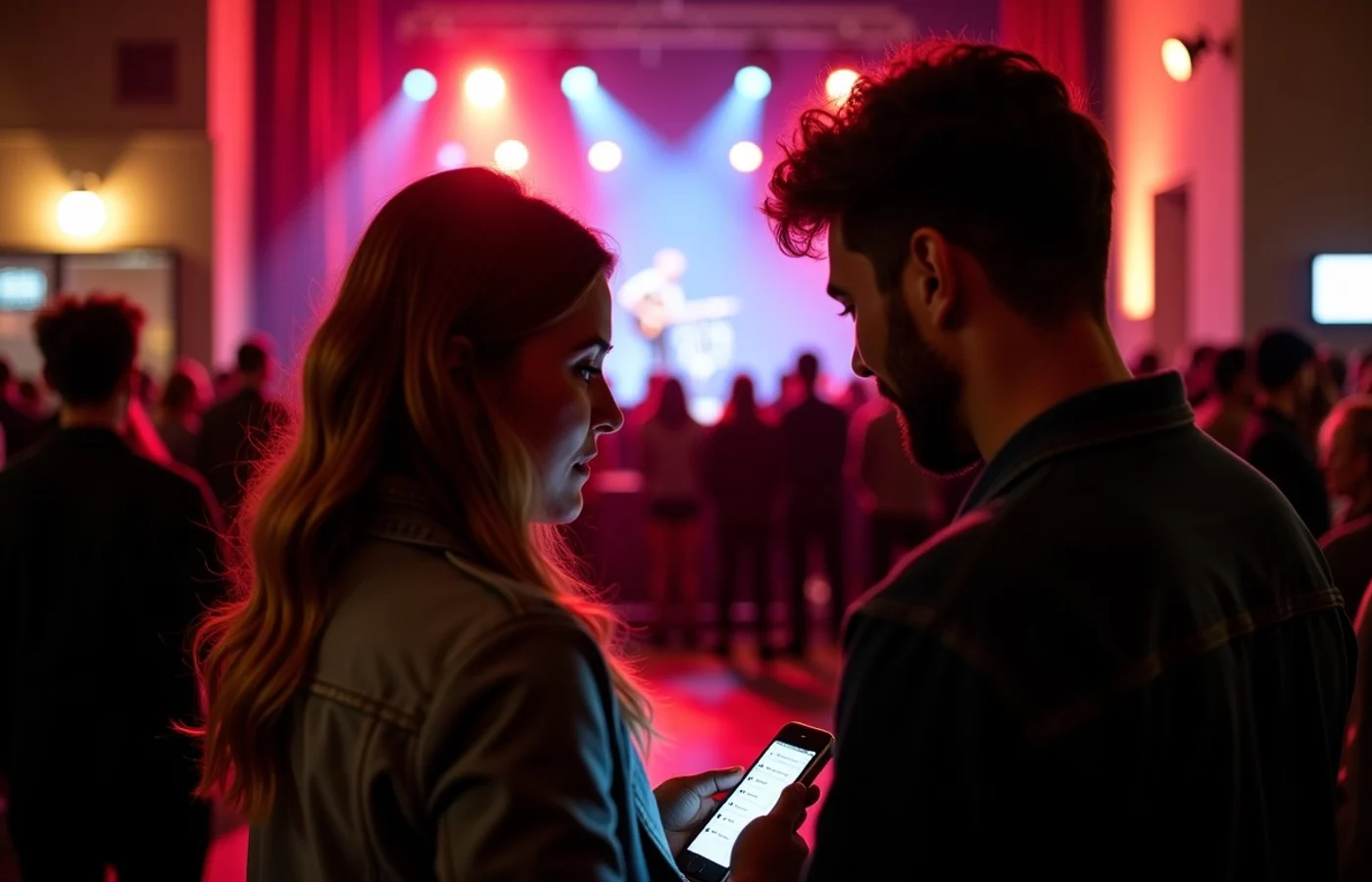
Concert-based dating runs on calendars, geography, and an actual audience nearby. Event discovery has value when it points toward shows within your travel radius and when profiles reveal what kind of room people choose: a daytime festival, a late club set, a seated hall, or a bar with a cover band. Venue preferences expose the logistics behind the romance. Someone who travels two hours for a Friday headliner lives a different week from someone who only goes out on Sunday afternoons.
Before building your search around Tastebuds, Turn Up, or Vinylly, inspect the people inside your chosen distance range. An app with rich music-based discovery and only a handful of nearby, complete profiles has not solved the local dating problem. A wider radius creates longer drives; a narrow radius leaves fewer prospects. Check whether profiles state relationship goals and offer more than song lists, then compare the schedules that follow: shift work, childcare, weekday availability, and tolerance for late nights. Concert plans work as dates when both people are free to reach the same room on a plausible night.
Signs an app offers more than a novelty music filter
- Advantage: Music leads into fuller profiles Weak Version: Every result ends with a bare genre label or artist list. Editorial Judgment: Give weight to profiles that connect listening habits with real interests, routines, and the type of relationship sought.
- Advantage: Nearby profiles have substance Weak Version: The app offers a clever music premise but sparse local activity or unfinished bios. Editorial Judgment: A smaller music-focused pool is worthwhile only when nearby people provide enough information to choose thoughtfully.
- Advantage: Broader life fit remains part of discovery Weak Version: Shared fandom becomes the whole compatibility test. Editorial Judgment: The app earns its place when music sits alongside dating intentions, schedule, social habits, and the kind of evenings each person enjoys.
A few common questions
Do musicians need a music-only dating app?
A musician whose touring, rehearsal, or gig schedule shapes dating should put music-first services near the top of the list. A casual listener usually gets more from a broader dating profile that gives music room without making it the entire search.
What music detail belongs in a dating profile?
Name one event you attend, one listening habit, and the part music plays in your week: player, devoted fan, or occasional guest. “I’ll travel for a Sunday matinee but skip a 1 a.m. set” says far more than a stack of artist names.
Do I need to connect a streaming account?
No. A profile prompt or brief playlist description does the essential job when it explains why the selection matters. Link an account only when the app gives enough context to keep a listening history from reading like a data dump.
Music-first dating earns its keep when a shared sound connects to a shared way of spending time. Pick the service where nearby people write complete profiles, name the type of relationship they seek, and give you something more substantial than a familiar chorus.