Harassment controls are often buried until the moment they’re needed. For plus-size singles in Orlando, the safer app has fast blocking, body-based harassment reporting, message controls, and a local pool where a profile is more than a body category. A packed swipe deck offers volume; it doesn’t create a decent dating environment.
Published by Modern Connection
Safety Features for Size-Inclusive Dating
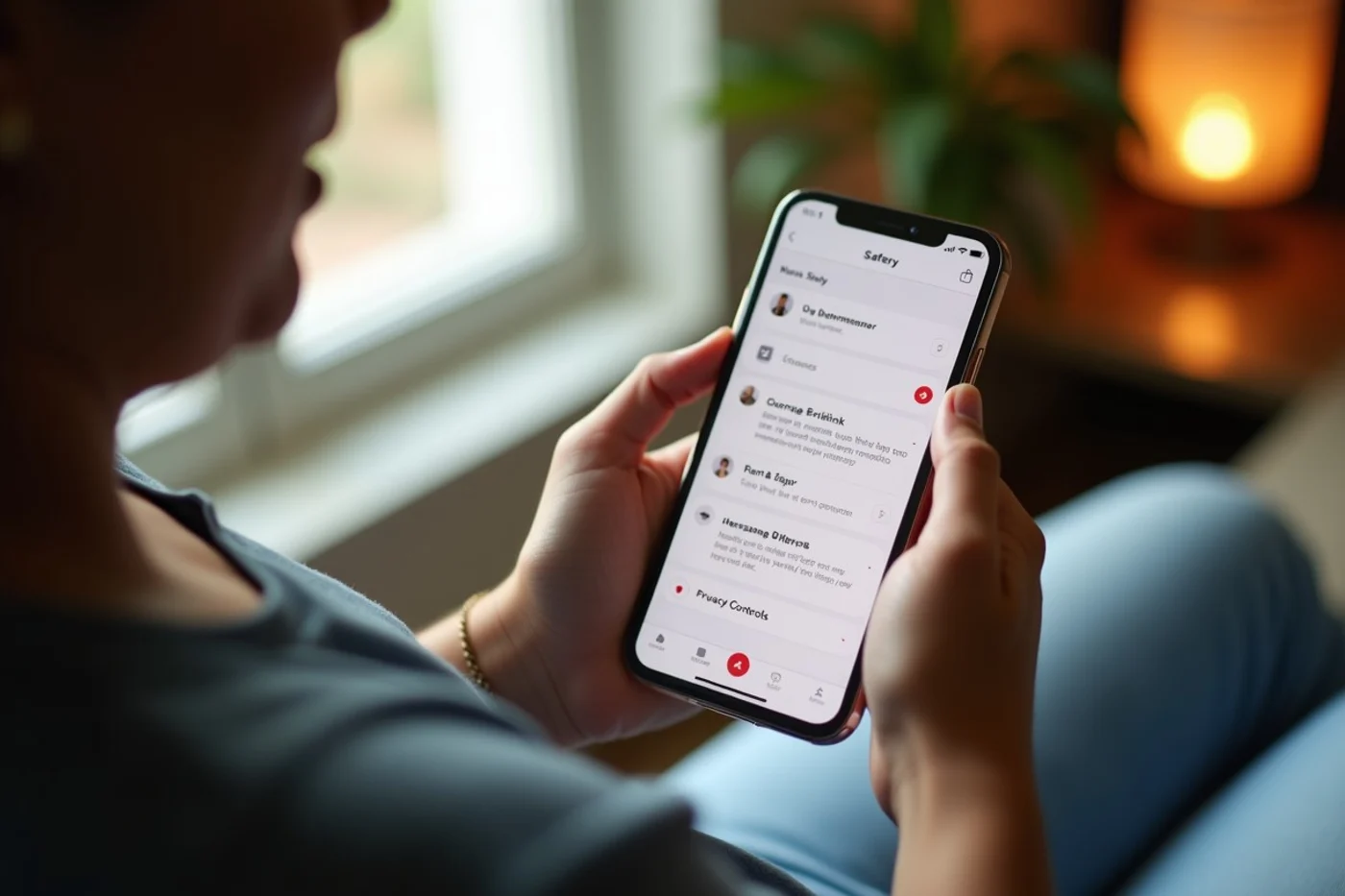
Before joining an app, inspect its safety settings. Stronger options include one-tap blocking that closes a message thread, filters for sexual or abusive language, and a report path that identifies harassment, unwanted sexual content, hateful conduct, impersonation, and degrading photos. Photo moderation should address unsolicited explicit material and images used to mock or shame someone. Reports need enough space to describe body-based abuse, not just a generic other category. Tools cannot stop every insult before it arrives. Their job is to cut off contact, remove content when policy is breached, and create a record for the service’s moderation team.
Respectful Profiles and Communities Leave Observable Clues
Promotional imagery that includes people across body sizes, prompts about interests and relationship intentions, and rules that name body shaming all point in a better direction. A polished campaign alone says little about what happens after a complaint. Read the conduct rules for language on harassment, sexual comments, hateful behavior, and photo misuse; vague promises of kindness leave too much to chance.
Profiles shape the tone of the exchange. A bio that leads with hobbies, work, family life, or what a person hopes to build gives a match something human to answer. Some plus-size daters state their size plainly, while others let photos speak. Both approaches are legitimate; neither invites someone to turn the opening exchange into a discussion of weight. The cost of writing a firm boundary is that it filters out people who wanted that topic. That is a welcome loss.
A Large Match Pool Is Not the Same as a Respectful One
An Orlando search radius reaching Winter Park, Lake Nona, and Kissimmee puts more profiles in circulation, yet travel time narrows which introductions are likely to become dates. That matters because a sprawling feed rewards quick swiping, while a good conversation still needs a plausible meeting distance and an actual plan.
Conversation quality appears in the first exchanges. Questions about interests, schedule, and relationship intent create a dating context; an opener that isolates your weight or demands body details does not. A service with thousands of nearby accounts is a poor fit when demeaning or fetishizing approaches become routine. Moderation responsiveness matters after misconduct, but activity levels say nothing about it. The match pool is stronger when body-focused messages are the exception, block and report controls are easy to reach, and most exchanges move on from appearance.
When a Match Comments on Your Body Too Soon
An ordinary compliment names an appealing detail and then moves on. Sexualization turns your body into the whole conversation, often through questions about clothing size, weight change, demands for more photos, or comments that frame you as a category. Those remarks are intrusive when they arrive before reciprocal interest and crowd out every other subject.
A one-off awkward comment sometimes merits a correction when the rest of the exchange has been grounded and considerate. Redirect it only when you want to continue. A sexual demand, insult, repeated body talk, or pressure after a boundary calls for ending the match and blocking the account. For example, a match who returns every subject to your size after you redirect the conversation is pursuing a body category, not mutual interest. Accounts sending slurs, threats, unsolicited explicit images, or repeated sexual harassment belong in the app’s report flow as well as the block list.
Which Orlando App Is the Better Fit for Your Boundaries?
Check the service’s current help pages, community rules, and in-app report menu before giving an Orlando app your photos and attention. The documentation should show where blocking sits, which harassment categories exist, what photo complaints cover, and whether a report accepts context. A short local trial then reveals a more mundane but decisive fact: are nearby conversations about shared interests and plans, or do they keep circling back to your body? The report flow is available to browse without filing a false claim. Features and enforcement change, so a past recommendation is a poor substitute for the controls and conduct rules now on screen. The better fit is the app whose tools match the boundary you expect to enforce.
Orlando’s broad dating radius creates a blunt trade-off: more profiles also mean more strangers who assume your body is open for discussion. The app worth keeping has reachable controls and conversations that move toward shared interests and plans. A large pool without that baseline becomes more screening work, not a better dating environment.