Hawaii’s dating map is drawn by islands, commutes, and flight schedules, not one statewide radius. To meet singles in Hawaii, build your social life around places you will return to each week and treat an inter-island match as a separate travel commitment from the beginning. Honolulu and Kakaʻako offer an Oʻahu base; Hilo, Kailua-Kona, and Kahului call for their own local circles.
Published by Modern Connection
Island geography shapes who counts as realistically local
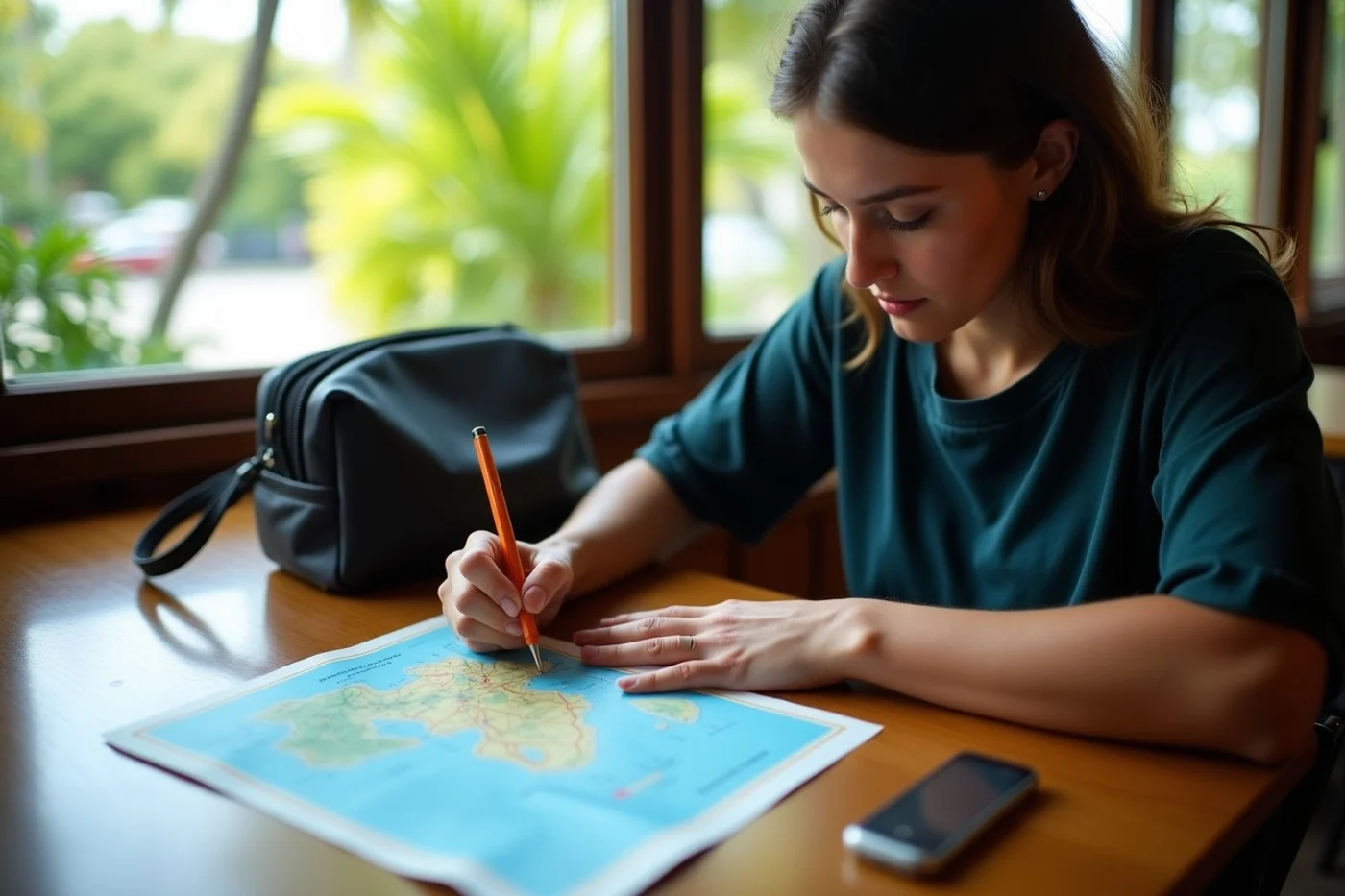
“Local” starts with the place you live, work, and spend your week. On Oʻahu, dating across Honolulu and other parts of the island may fit a regular schedule when both people accept the drive. On Hawaiʻi Island, Hilo and Kailua-Kona sit on opposite sides of a substantial trip, so town and work location matter more than the island name on a profile. Travel between islands generally involves planning a flight, which changes a spontaneous coffee date into a commitment of time and money. Define your radius by the meetings you actually want: weekly dates point toward your own town or island; occasional visits leave room for a farther connection. A nearby match who is free only on incompatible workdays is not meaningfully local.
Where can adults meet through repeat-contact activities?
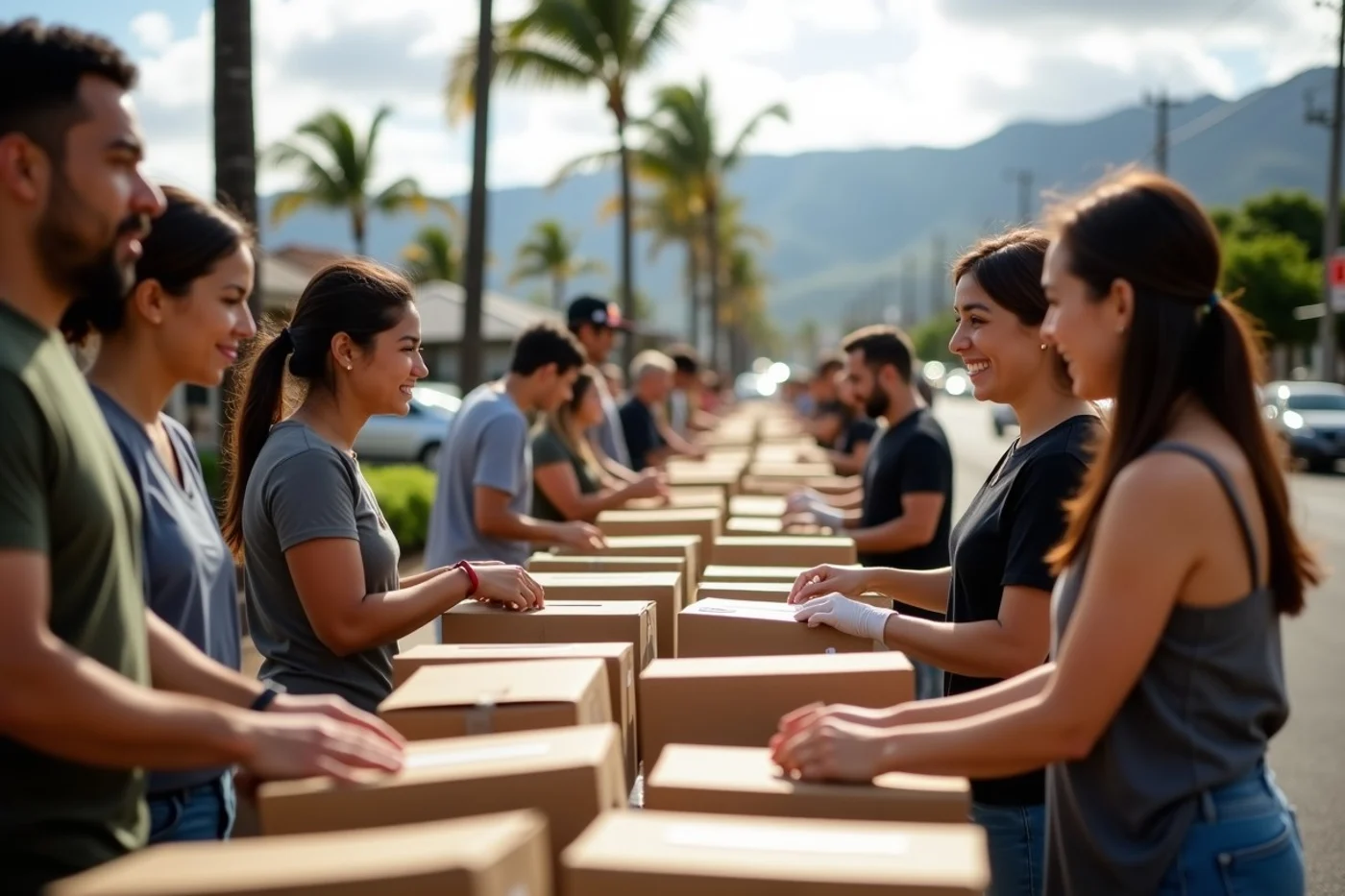
Look for a class, volunteer project, recreational group, professional association, cultural program, or community organization near your weekly route. A Hilo resident might join a regular volunteer effort or class close to home; someone based around Kahului can look for the same kind of steady commitment within their usual Maui routine. Attend for the activity itself. Conversation grows more naturally when people are there to learn, contribute, play, or organize something together—not to work the room for prospects.
When a promising match lives on another island

An inter-island connection turns early dating into planned travel. Raise the subject early enough to learn whether both people picture visits at a similar frequency. Talk plainly about who travels, how often, and whether each person expects to cover their own flights or alternate the expense. Neither person should quietly assume the other will take on the larger share simply because one island has more activities or the other person initiated contact.
Work schedules deserve equal attention. Shift work, long commutes, caregiving, and limited leave can leave only narrow windows for a visit. Between trips, decide what contact feels natural and what each person needs to stay engaged without treating every delayed reply as a referendum on the connection. Relocation belongs in the conversation only once the relationship has substance, but future island preferences matter earlier: someone firmly rooted in Honolulu and someone committed to Hilo face a larger question than two people living across town.
A location-aware meeting routine
Choose two recurring commitments close to the routes you already travel: one social activity and one place where you contribute or learn. For an Oʻahu resident, that might mean a weekly recreation group near home and a recurring community project near work in Honolulu or Kakaʻako. For someone on Hawaiʻi Island, the better choice is usually two commitments within reach of Hilo or Kailua-Kona, not an imagined statewide dating scene. Familiar faces emerge when you show up consistently, and invitations have a natural context.
Leave inter-island dating for a connection where the travel conversation has already produced an answer both people can live with. The wider search offers more people; the cost is that every meeting needs coordination. A local routine supplies the opposite benefit: less travel planning and more chances to see whether conversation holds up in everyday life.
The strongest Hawaii dating routine is usually rooted in the island where your week already happens. Build a life with recurring local contact, then give a farther connection attention only when travel, time, and future geography have been discussed plainly.