
Pick one recurring Toledo activity and pair it with a dating-app search set to trips you’d actually make. Gay singles in Toledo often find more compatible people by combining LGBTQ community spaces, friendship-led hobby groups, and an app profile that states what kind of date or relationship they’re seeking. That mix keeps your social life from depending on a small rotating app pool. Keep downtown, nearby neighborhoods, and the wider Toledo metro in view, but don’t set a radius that turns every promising chat into a cross-town logistical project.
Published by Modern Connection
When the apps keep showing the same small pool
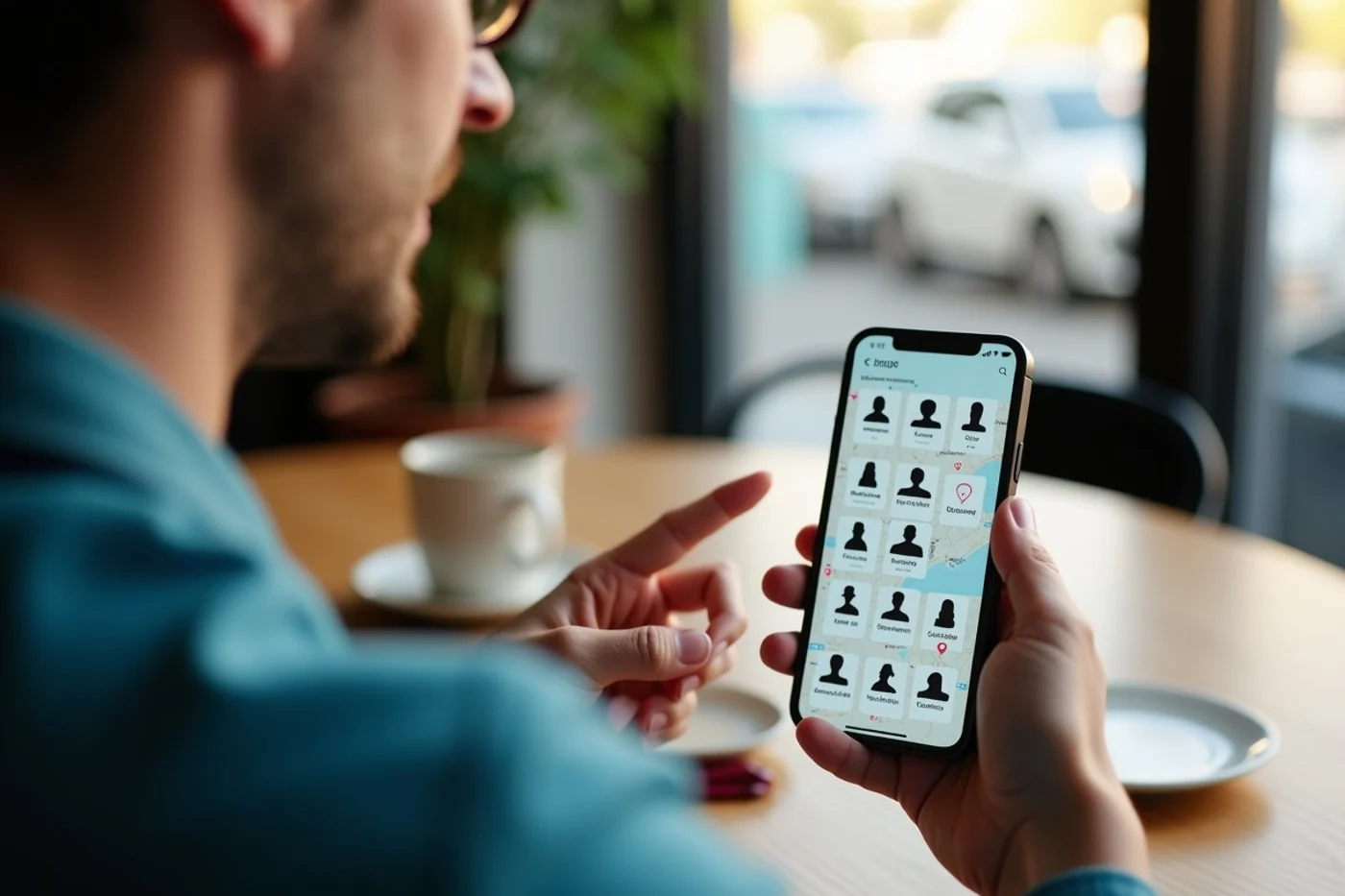
A tight search radius in Toledo often produces familiar profiles because the local pool is spread across Toledo, Maumee, Perrysburg, Sylvania, and nearby Michigan communities. Repeat profiles also reflect who has been active on that app lately. Seeing the same faces doesn’t mean you’ve exhausted every dating possibility; it means the filter is showing a narrow slice of people who are presently visible.
paragraphs?
LGBTQ organizations and recurring social groups
For gay singles in Toledo, recurring community settings offer something a one-night event rarely does: familiar faces and a reason to speak beyond a first introduction. Look for LGBTQ community organizations, Pride-related planning and public events, arts groups, recreational leagues, book clubs, and volunteer projects that welcome new participants. A shift at a community fundraiser or a weekly league creates shared work and conversation, which reveals more than a polished profile ever will.
The advantage is repetition; people see how you participate, follow through, and get along with others. The inconvenience is that these spaces exist for the activity or cause first, so turning every new acquaintance into a dating prospect will sour the room. Join because the group itself suits you, then let introductions develop at the pace the setting supports. Toledo’s compact metro area also means one recurring commitment is enough to build a social foothold without trying to attend everything.
Friendship-first spaces can make introductions feel more natural
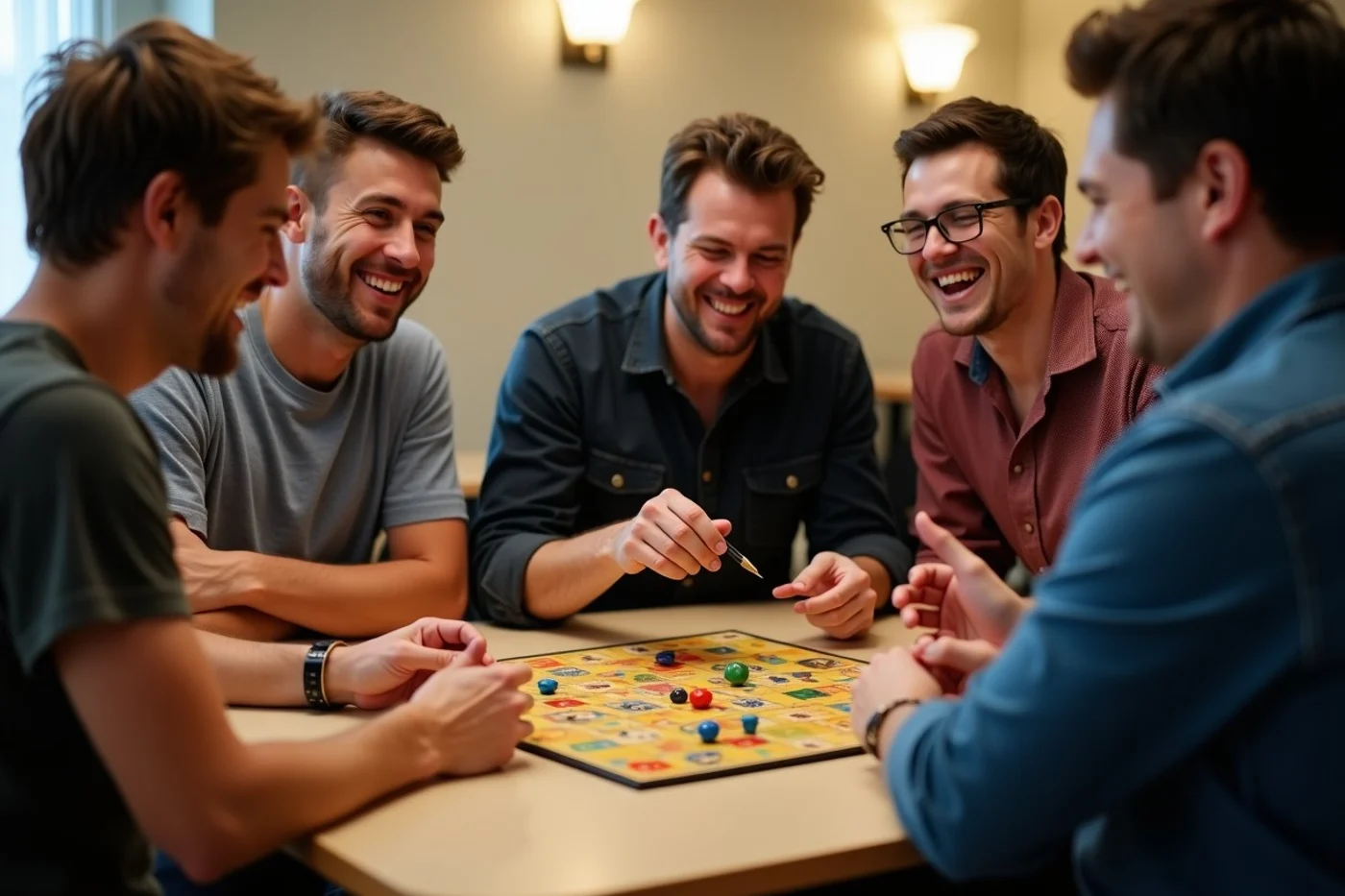
Friendship-first spaces call for a simple choice: join because the activity belongs in your week, or enter every gathering scanning for a date. The first approach lets conversation grow through the thing everyone came to do—helping set up, discussing a book, finishing a game, or sharing a meal after an activity. Attraction still has a place, but nobody has to perform instant chemistry in a setting built around something else. In Toledo, where social circles often overlap, a courteous first meeting also preserves the comfort of seeing one another again.
Friendship-first doesn’t require hiding romantic interest indefinitely, and it doesn’t turn every friendly exchange into a prospect. It provides context for details an app profile misses: whether conversation stays easy, how someone includes other people, whether your schedules and social habits fit, and whether interest lasts beyond one flattering moment. Put time into a recurring group only when you would still value the activity if no date emerged. That protects the group from becoming a hunting ground and keeps a disappointing interaction from swallowing a hobby. An invitation that follows an actual connection carries more weight than one based solely on proximity.
Where can gay singles meet around Toledo?
Build a month around one place where you’ll return, one invitation from your existing circle, and a limited app routine. In Toledo, that might mean attending a recurring LGBTQ community event or hobby meetup twice, telling a trusted friend you’re open to being introduced, and setting aside two evenings a week to browse and reply on a gay dating app. This mix avoids staking everything on a crowded feed or a single event. Keep app distance aligned with trips you would actually make: central Toledo and nearby suburbs suit weeknight plans; a match toward Detroit or Ann Arbor calls for a deliberate weekend plan. After a few weeks, put more time into the route producing conversations that lead to an actual date.
A clear statement of intent works better than assumptions about the venue
A conversation that runs past the official end of a Toledo gathering can feel charged, but the setting says little about what either person wants. A queer community event, a game night, or a volunteer shift is a social setting first; friendliness may mean interest, or it may mean someone has found a welcoming room. Once you want to meet one-on-one, name the invitation as a date before settling on a time and place. That distinction prevents the awkward moment when one person expects romance and the other expects a new friend.
On an app, put the same information near the front: whether you are open to dates, hoping for a relationship, or mainly meeting people and seeing where a connection leads. After a good exchange, ask directly if the person is interested in a date, then let their answer stand. An uncertain reply calls for a pause, not persuasion. A no deserves a brief, gracious response and no argument; continued warmth in a shared Toledo circle does not revive the question. When two people want different things—one seeks a partner, the other only friends—end the romantic track cleanly. They may still meet as friends when both people actively want that, but friendship is not a holding area for changing someone’s mind.
Toledo is a connected set of smaller social circles, not a one-night search. Attend an LGBTQ community event or interest group often enough for faces to become familiar, use an app radius that fits your week, and state whether you’re looking for dates, friends, or a relationship before the chat drifts. A match is worth pursuing when interest, stated intentions, and the drive across the metro all line up.