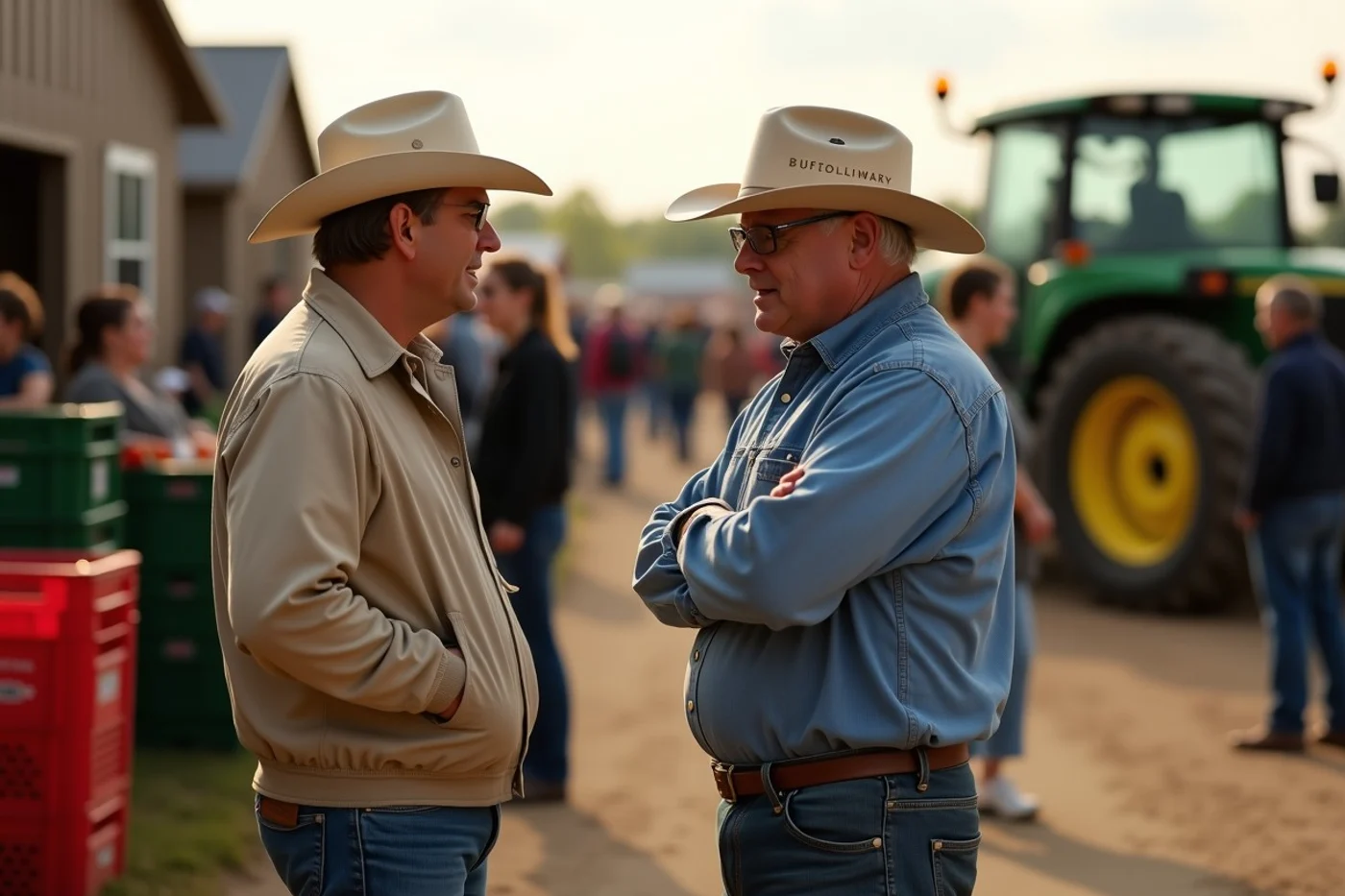
Farms run on calendars that don't care about a dating plan. To meet farmers in Kansas City, spend time at recurring agricultural gatherings—producer education, fairs, livestock events, markets, and food-growing projects—across the Missouri–Kansas metro. A themed festival with a sea of visitors is weak ground; places where people return to work, learn, or volunteer give a conversation somewhere to go.
Published by Modern Connection
Clues that a Kansas City gathering attracts working agricultural communities
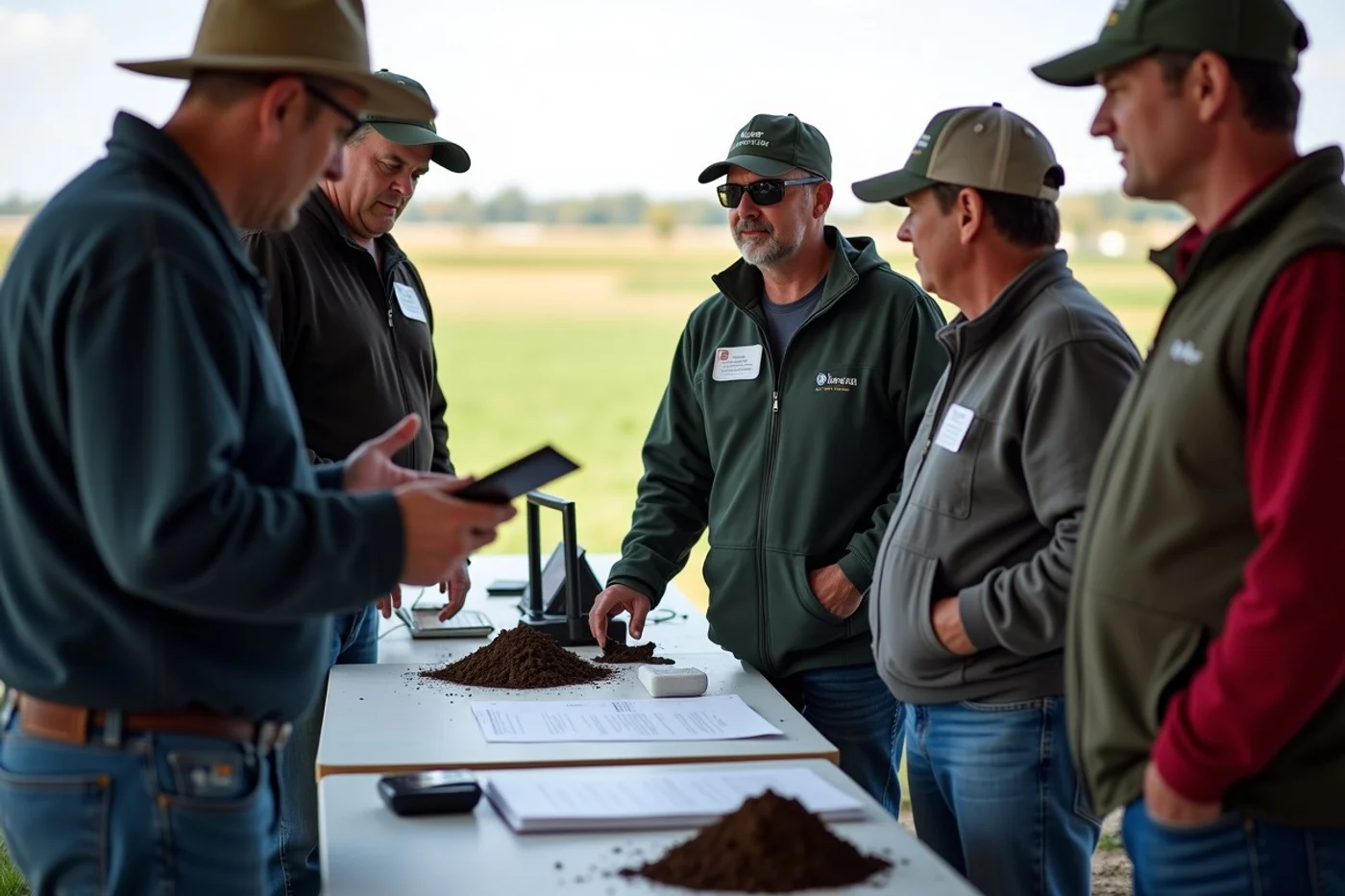
A farm graphic on a poster proves almost nothing. The organizer, program, and returning participants tell the real story.
- Gathering Clue: Organizer and partner list What It Suggests: County extension offices, producer associations, livestock groups, and food-system organizations bring people with a direct connection to agricultural work or education. Editorial Read: Events backed by these groups are worth the drive across the metro.
- Gathering Clue: Exhibitors and program topics What It Suggests: Sessions on crops, livestock, soil, farm marketing, equipment, or local food production draw attendees who have more at stake than a pleasant afternoon out. Editorial Read: A focused agenda is stronger than a generic harvest-themed celebration.
- Gathering Clue: Recurring meetings, classes, or workdays What It Suggests: The same attendees return, allowing names and conversations to build over time. Editorial Read: This is the best format for meeting someone without forcing an introduction into a one-off event.
- Gathering Clue: A market aimed mainly at shoppers What It Suggests: Farmers and producers may be present, though they are often working through a rush. Editorial Read: Fine for a short conversation; poor terrain for lingering at a busy stall.
Which Kansas City events create natural opportunities to talk?
County fairs, livestock activities, and producer education days put people together around a shared subject. The better moments sit at demonstrations, committee tables, educational sessions, and breaks—not in the middle of chores, judging, or loading. On both sides of the state line, county extension calendars and fair schedules point toward gatherings where agricultural work is central to the day.
Producer meetings and field-oriented programs are less festive, but they draw a more concentrated crowd. They suit someone with real curiosity about farming, local food, animal care, or land stewardship. Pretending to care about a subject just to meet dates is a clumsy strategy, and people who work in agriculture tend to spot it quickly.
Farmers markets need a narrower expectation. Vendors are at work while weighing produce, taking payment, and packing vehicles. A brief question about the farm or product fits when the stall is quiet; a long chat while customers wait does not. Urban agriculture workdays, garden classes, seed swaps, and food-system gatherings leave more room for conversation because participants are learning or helping. A public fair brings a crowd. A recurring class or volunteer shift brings familiar faces, which is usually the better bet.
Seasonal farming schedules determine when social plans are realistic
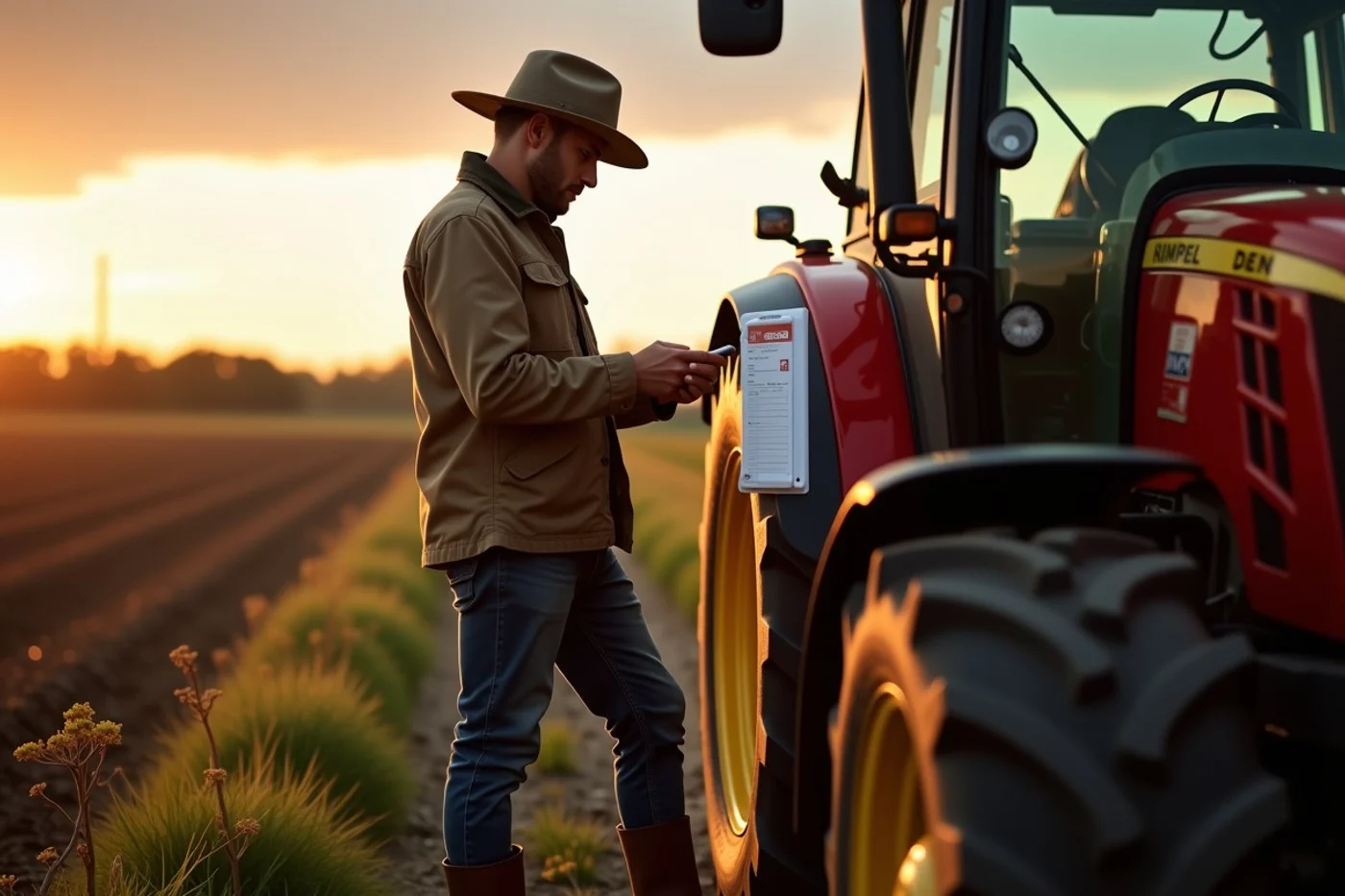
Farm calendars shape social availability more bluntly than a typical office schedule. Planting and harvest compress long days into the stretches when field conditions cooperate. Rain, heat, equipment trouble, and a short dry window reshuffle an evening without ceremony. Livestock chores arrive every day, and market vendors are usually busiest before, during, and immediately after selling. A late reply in those periods is a scheduling fact, not a verdict on the person who sent it. Kansas City's cross-state geography adds mileage to that timing. A Missouri-side farm, a Kansas-side class, and a central-city meetup turn one casual plan into a long drive. Weeknight coffee near someone's normal route, an event already on both calendars, or an early meal on a non-market day fits this work better. Two proposed times beat a vague invitation. Harvest, planting, and market weeks call for shorter plans; slower stretches leave room for a longer outing.
Farm organizations, classes, and volunteer programs
County extension offices, producer associations, food-system nonprofits, and educational farms matter because their events gather people around a task or topic. Their calendars often list workshops, tours, demonstrations, committee work, seasonal projects, and volunteer days. In the Kansas City area, following those calendars on both the Missouri and Kansas sides widens the field without turning every outing into a long-haul trip. Volunteer programs offer repeat contact, but they are poor places to arrive treating every attendee as a prospect. Showing up for a garden build, food distribution, educational event, or farm project means doing the work, learning names, and respecting the host's purpose. The social benefit comes from sharing an activity with people who care about it. That is more durable than attempting to manufacture chemistry beside a pile of mulch.
After meeting someone across the Missouri–Kansas metro
Interest lands best when it attaches to the work in front of you. A question about the crop, livestock, market, or project that brought someone there gives them a subject they know well. Follow the answer, then offer a little of your own connection to the event. Questions about acreage, income, land ownership, or a person's presumed politics turn a first conversation into an inspection. Leave those alone.
Follow-up needs a real logistical shape across the Missouri–Kansas metro. After exchanging contact details, send a brief note the next day that refers to the conversation and suggests one meeting point or upcoming event. Give two time options that account for chores, markets, and the drive across the state line. A canceled plan after a weather shift calls for a simple reschedule, not a cross-examination. The wide metro offers a large agricultural orbit, but distance and farm work turn vague plans into dead ends.
The Kansas City search gets less awkward once agriculture is treated as a working community with seasons, responsibilities, and long drives attached—not a hobby label on a dating profile.