
First dates work best as short public meetings with a simple plan and enough quiet to talk. Choose a place where you can hear each other, know when the date will end, and travel home separately. A 60-minute coffee at a quiet café gives two people a defined window to talk without committing the evening to a long, expensive event.
Published by Modern Connection
A good first date creates room to notice compatibility

First meetings reveal less than people often demand from them. A polished profile and lively messages show taste and effort, but sharing a table shows whether both people pay attention, pauses are tolerable, and basic courtesy comes easily. A first date is a chance for one comfortable conversation and a sense of what remains after anticipation settles. Look for enough ease, curiosity, and interest to make another date worthwhile—not proof that a future relationship has already arrived. A modest meeting makes that easier to judge; an elaborate plan can bury it under expense, scheduling, and the need to make the evening seem worthwhile.
What kind of plan makes conversation feel easier?
Venue choice determines how much attention survives the surroundings. A packed bar asks two strangers to compete with music and crowds; a quiet café, daytime market, or museum gallery gives conversation a fighting chance. Pick a public place with seating or a slow activity, straightforward directions, and a natural end point after about an hour or two. A full dinner works when both people prefer it, though it commits more time before either knows how the evening feels. Meet at the venue and arrange your own ride home. Those details preserve an easy exit and prevent one person from managing the other’s travel.
When nerves show up before you leave
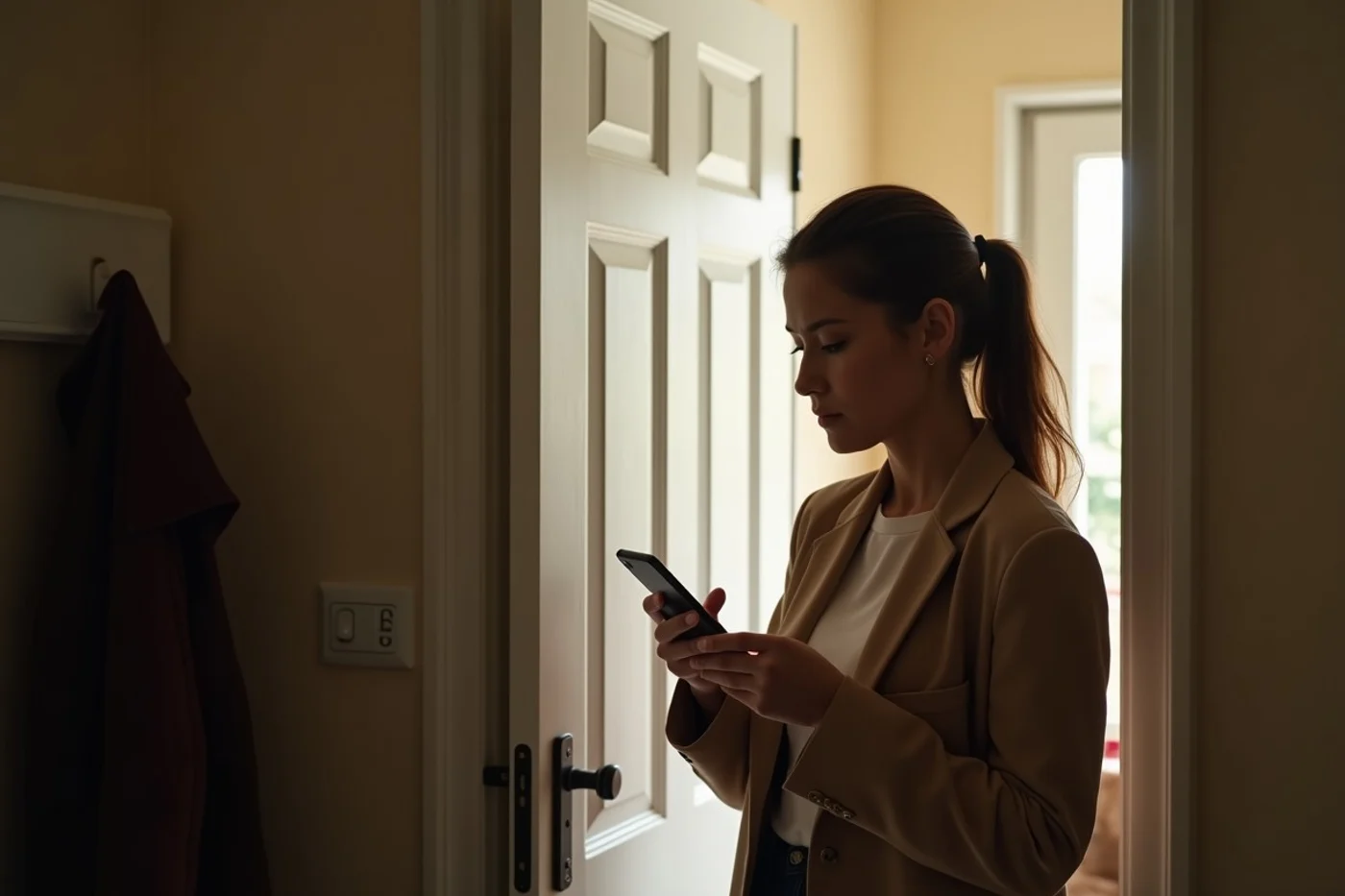
Nerves become a problem when preparation turns into rehearsal. It is worth confirming the time, venue, and any reservation earlier that day. Beyond that, revising every story, outfit, and possible answer tends to leave you arriving already exhausted.
The sensible choice is to prepare the meeting, not a performance. Leave enough time to arrive a little early, find the entrance, and sit for a moment before the other person appears. Put your attention on the room and the person in front of you, not on scoring each answer. Silence, a clumsy opening, or a moment of uncertainty does not ruin a date. You only need to be present enough to find out how the conversation develops.
A simple read on mutual interest afterward
Afterward, recall the quieter minutes, not only the sharpest joke or awkward pause. Comfort appeared in whether talking felt natural and relaxed. Curiosity appeared in questions that went somewhere; balance in how both people carried the conversation; consideration in punctuality, listening, and how they handled a difference or a limit. The final question is pleasantly blunt: would another hour with this person feel welcome?
Interest deserves a direct response. If you want another date, send a brief follow-up and propose one. If not, decline courteously; warm but misleading contact only prolongs the ending. Their response matters too. A keen reply and a proposed plan show interest, while vagueness or silence gives you no reason to pursue the matter.
A first meeting gains value by turning an online impression into a shared hour. The best plans make conversation easy, allow a graceful ending, and support an honest response afterward. Nothing grand is required; attention and a little structure reveal far more than a crowded itinerary.