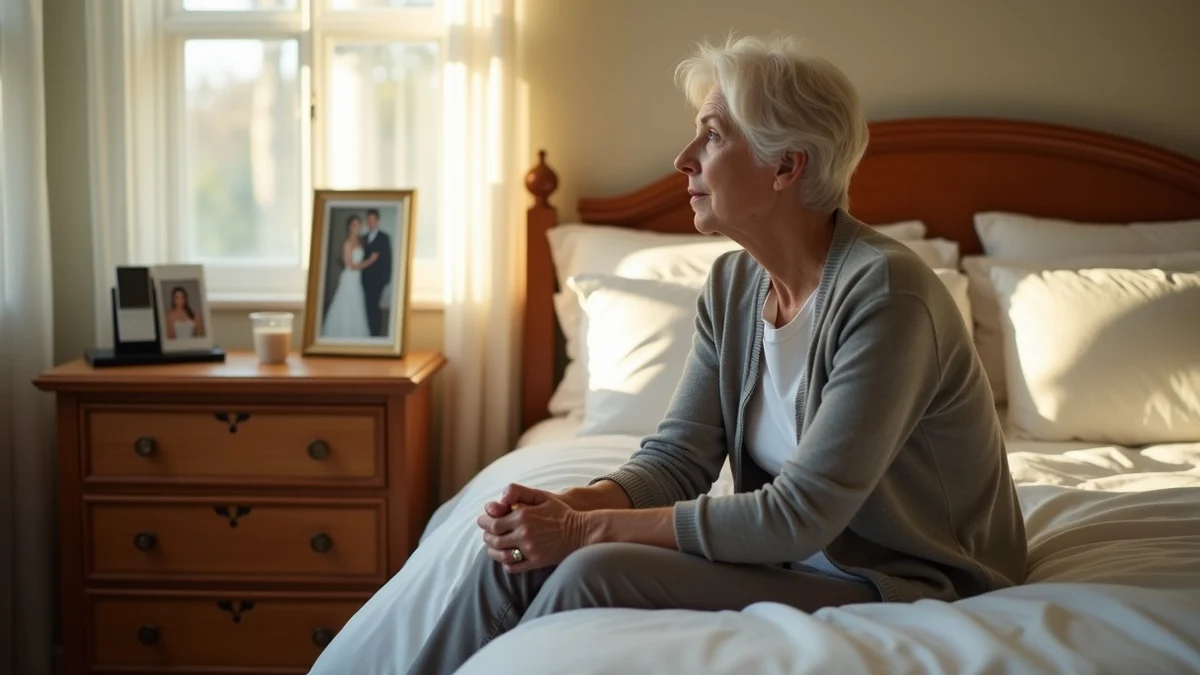
An empty side of the bed, a wedding anniversary, or the first invitation to dinner changes the stakes: a date carries history with it. Dating after widowhood does not require you to set grief aside or make a new person a replacement. It calls for an honest sense of what you can take on now, with permission to change course as feelings rise and settle.
Published by Modern Connection
Readiness Can Include Grief and Curiosity at the Same Time

Some days, the thought of meeting someone feels welcome; on others, it feels impossible or oddly disloyal. That swing does not settle the question of readiness. Grief after a spouse’s death does not move in a straight line, and interest in company does not erase devotion or sadness. A person may miss their spouse deeply and still want to share a meal, laugh with someone new, or feel seen outside the roles that followed a loss.
Start with your present life. Can you have a conversation about another person, rather than only your loss? Does a date bring some curiosity along with the nerves? Are you measuring every detail against your marriage, or can you see that a new relationship will feel different? After an outing, can you think about it without feeling that you have left your past behind?
Readiness also includes the freedom to stop. A profile, a few messages, or one coffee does not commit you to a new identity as someone who has moved on. It is simply contact with another adult. When dating begins to feel like an obligation imposed by loneliness, family expectations, or a calendar, taking a break is the sounder choice. There is no prize for reaching a particular milestone after loss.
A New Connection Does Not Replace the Person Who Died
Guilt often arrives at an inconvenient moment: after a pleasant evening, during a first kiss, or when you notice yourself looking forward to a message. It labels simple enjoyment as a betrayal. Yet affection for someone new does not displace a deceased spouse. The marriage remains part of your life, with its own history, private language, family ties, and meaning.
Trying to rank a new connection beneath the marriage forever creates an unfair contest for both people. The newer relationship does not need to imitate the old one, nor does it need to prove that it matters less. Memories remain available: a favorite song, a holiday ritual, a photograph, or the story of how you met. None of those things prevent new attachment.
The better measure is honesty. Are you allowing a new person to be themselves, or asking them to occupy a role left empty by death? A relationship built around replacement will strain quickly. One built alongside remembrance has firmer ground.
When Family or Friends React to Your Dating Life
The people closest to you have their own loss to carry, which is why reactions to dating often run high. A friend may be delighted. A sibling may be startled. Adult children may feel protective, fear a change in family traditions, or read your first date as a public statement that grief is over.
Acknowledging their reaction is considerate; handing them control is not. They are entitled to their feelings, but they do not have a veto over your social life. Share only the details that feel appropriate, and choose when a person you are seeing enters wider family life. Early dating does not need an audience.
A firm response works best when it stays focused on the present fact: you are getting to know someone and you are handling it at your own pace. Debating whether enough time has passed usually turns personal grief into a family referendum. It is not one.
Guilt, Comparison, and Sudden Grief Need Different Responses
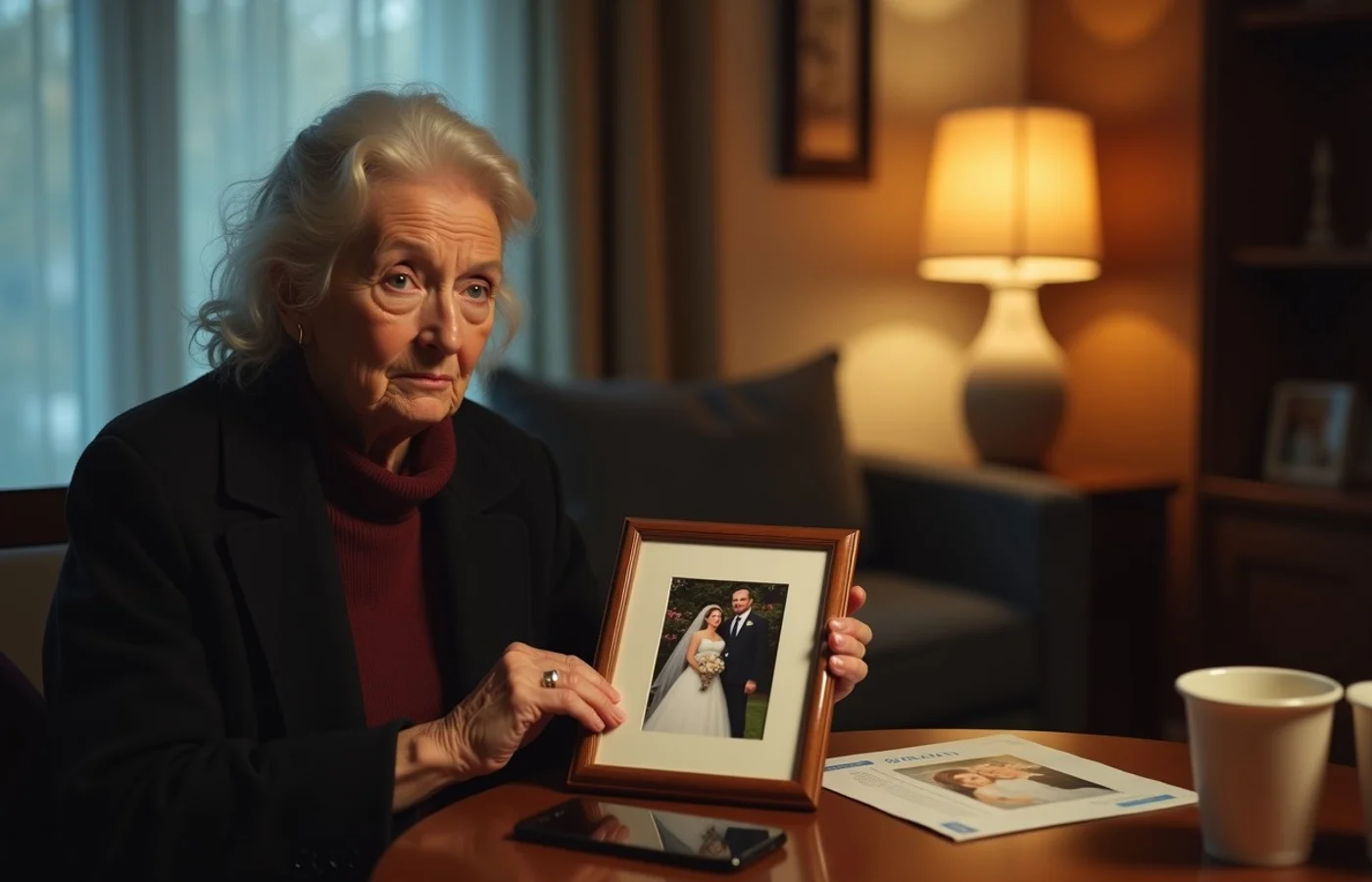
An enjoyable evening followed by tears at home does not automatically mean the date was a mistake. Guilt treats pleasure as proof of disloyalty, so it deserves a direct correction: enjoying another person’s company does not revise the marriage or diminish the person who died. Do not cancel a promising connection solely to quiet that accusation.
Comparison is usually common. You notice that a date orders something your spouse disliked, tells stories differently, or lacks habits that once felt familiar. Difference is not a defect. A new relationship will never reproduce a marriage, and no one should expect it to. Sudden grief is different again. An anniversary, a familiar restaurant, an old song, or a family event can bring loss sharply forward. Rescheduling a date or taking an evening alone addresses that moment without making it a judgment on the person you are seeing.
Other people can be loud: friends may urge you to get back out there, relatives may worry that you are moving too quickly, or someone may assume a new relationship must become serious. Put those opinions aside before judging the connection itself. Incompatibility concerns this person’s conduct, values, or treatment of you—not the fact that they arrived after your spouse died. That difference matters. Grief may call for time alone; incompatibility calls for an ending.
Disclosure About Widowhood and Ongoing Remembrance
On an early date, widowhood belongs in the basic account of your life. A brief, matter-of-fact mention gives the other person important context without turning dinner into a full history of the loss. More detail belongs with growing trust. A person you have just met does not need every medical detail, final conversation, or hard family chapter in order to understand who you are.
Ongoing remembrance deserves the same straightforward treatment. Photographs in your home, a difficult anniversary, contact with in-laws, or time spent with your spouse’s relatives are real parts of your life. A date who becomes important should understand that those ties and memories remain. They are not being asked to process your grief for you or compete with it.
Keep it in proportion. Mention a memory when it fits the moment, but also learn about the new person’s history, interests, and concerns. When both people get attention, the date does not become a memorial conversation.
Move Forward at a Pace You Can Revisit
A flexible pace has clear limits. Messaging need not fill every evening. Physical affection need not follow a fixed number of dates. Deep disclosure, overnight plans, and introductions to children, relatives, or close friends can wait until the connection fits that part of your life. One date every week or two is often enough to learn whether you look forward to seeing the person again without crowding out the routines that keep you grounded.
A pause needs no grand explanation, and it makes sense to reconsider after a difficult anniversary, a surge of grief, or a change in how the relationship feels. State the limit plainly, then follow it. Someone worth continuing to see will accept a pace based on your actual life, not a schedule someone else has written for you.
A simple rule applies: dating should let you remember your spouse, meet someone honestly, and pause when needed. When it demands denial, secrecy, or forced speed, the pace is wrong.