
Virginia Beach offers Christian singles a stronger route than a broad search: build connections where worship, service, and daily life recur. For Christian singles dating in Virginia Beach, the best local approach combines church community or a small group with intentional online introductions that lead into real local plans. Shared faith deserves more than a profile checkbox; it should show up in how a person belongs, speaks, and follows through.
Published by Modern Connection
Virginia Beach Offers Several Paths into Christian Community
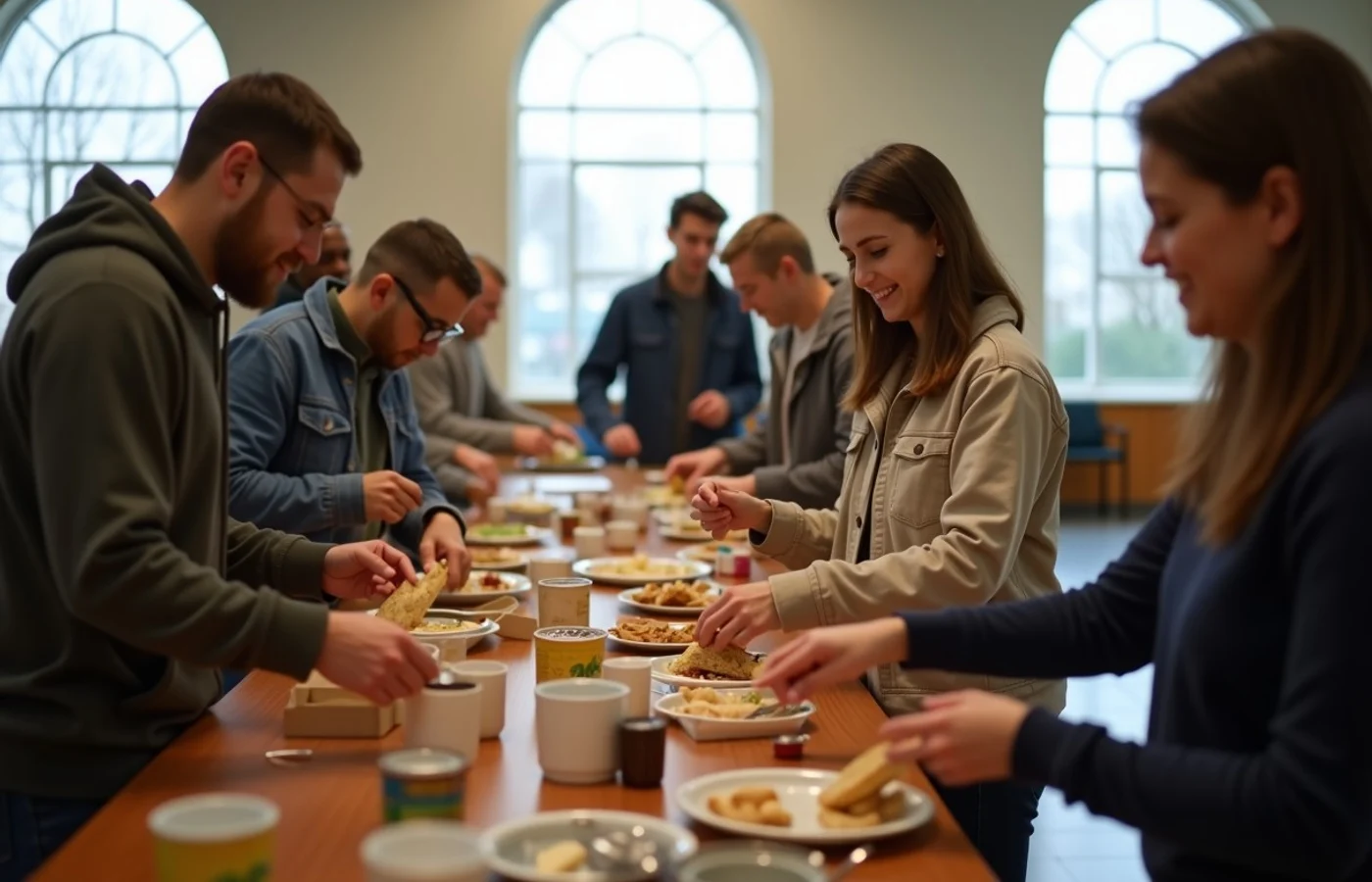
Virginia Beach’s size gives location a real role in Christian dating. A Sunday service often yields brief greetings, then people head home across different parts of the city. Small groups, ministry teams, Bible studies, and recurring service projects change that rhythm because the same people share tasks and conversation over weeks. A group near Kempsville is not a casual option for someone living near the Oceanfront when weeknight travel already strains a schedule; proximity affects whether a connection develops. Interest groups tied to a congregation—running, shared meals, young-adult gatherings, or volunteer work—add settings where character appears in action. Online introductions belong in the mix when profiles state church involvement and relationship intentions plainly, followed by a local coffee meeting or group event before the exchange drifts into endless messaging.
Signs That Faith Is a Lived Priority Rather Than a Profile Label
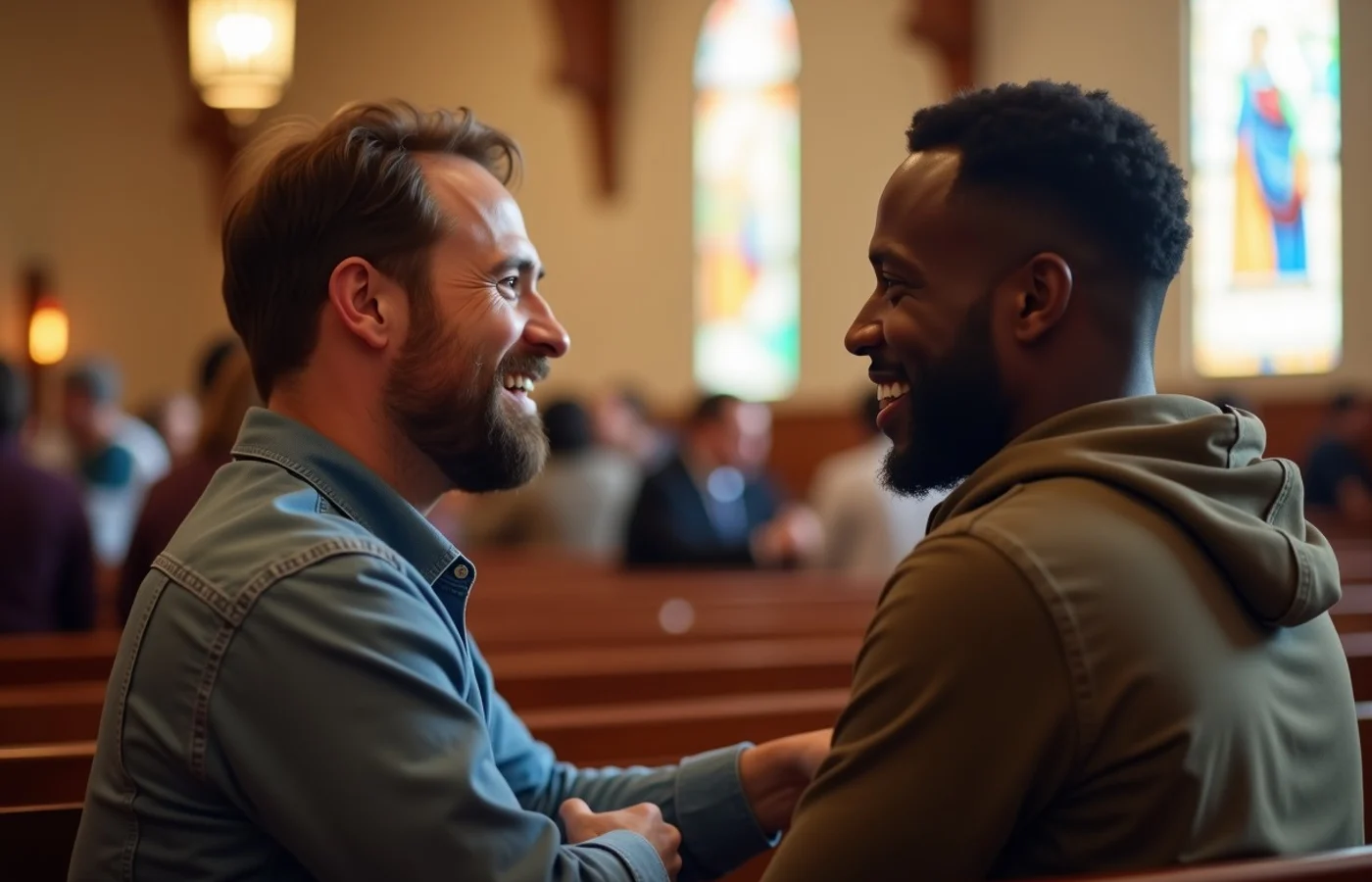
Faith shows up in habits. Naming a congregation, speaking comfortably about worship, serving in a ministry, and linking daily choices to belief give you more to discuss than a religious label alone. Humility matters as much as participation. Speaking about faith without using it to rank or control others supports a respectful relationship. Community involvement can also show whether church is an occasional stop or a source of friendship, responsibility, and support. The goal is not to audit anyone’s devotion. It is to see whether faith shapes both lives in compatible ways.
When Military Mobility Interrupts Church and Dating Continuity
Hampton Roads military life can strain church ties and new relationships in distinct ways. An assignment, deployment, training period, or relocation changes more than date availability. It can separate someone from a congregation where they volunteer, leave a small group without a leader, or send a new relationship into long distance before it has found its footing.
Put future logistics on the table early when military service is part of the picture. A deployment schedule is not a character test; it is a calendar that affects calls, visits, church involvement, and expectations for commitment. A relationship built around a Tuesday small group and Sunday worship needs an honest account of what continues when one person leaves Virginia Beach and what both people are prepared to sustain.
Denomination, Worship Style, and Community Expectations
- Area: Denominational home Question To Settle: Does either person expect a future partner to join their church or raise children within a particular tradition? Relationship Effect: A preference becomes consequential when membership, sacraments, or family expectations are tied to one congregation.
- Area: Worship and attendance Question To Settle: What does regular worship mean in each person’s week, and how important is attending together? Relationship Effect: Different service times or levels of participation affect shared routines and social ties.
- Area: Theological priorities Question To Settle: Which convictions guide decisions about marriage, family, service, money, and public life? Relationship Effect: Broad agreement on Christianity leaves room for substantial differences in daily choices.
- Area: Church community Question To Settle: How involved should a partner be in small groups, volunteer roles, leadership, and friendships at church? Relationship Effect: One person may see church as a weekly gathering while another builds much of their social life there.
What Early Faith Conversations Reveal About Compatibility
Early faith conversations work best when they invite a picture of daily life rather than a doctrine quiz. Questions worth raising include how worship shapes a usual week, which service commitments matter, what kind of relationship someone wants now, and how a partner would take part in church life. The reasons behind each answer matter too. Someone may attend every week because of family habit, personal conviction, close friendships, or a ministry role; those motives lead to different expectations in a relationship. Clear answers carry weight. Anyone ready to build a faith-centered relationship should be able to discuss belief, community, and future intentions without retreating into slogans.
Shared Belief Alongside Emotional and Practical Readiness
Shared belief is a starting point, not a complete answer to a relationship. It cannot tell you whether someone is emotionally available, has time for dates, or is ready to give steady effort when work, family, and church commitments compete. Those facts shape the relationship every week. Two people may agree about worship and marriage while one keeps plans vague, avoids conversations about the future, or leaves all scheduling to the other. The issue is not weak theology; it is an uneven relationship.
Consider a hypothetical Virginia Beach pair who meet through a church volunteer project. Both attend services and speak warmly about building a faith-centered home. One keeps plans, introduces the other to friends over time, and discusses a likely job change openly. The other speaks about a serious future but remains unavailable on most weekends and offers no alternative time. Shared belief gives them common language, yet their lives are moving at different speeds. Give equal weight to stated intentions, available time, and effort from both people. Someone ready for a committed relationship brings all three into the open; shared faith alone is too thin a reason to deepen the relationship.
In Virginia Beach, church life offers a credible setting for meeting people, but it cannot make the whole judgment. A faith-centered relationship deserves shared worship and values, followed by harder confirmation: two adults who are present, candid about the future, and prepared to build a life with steady effort.